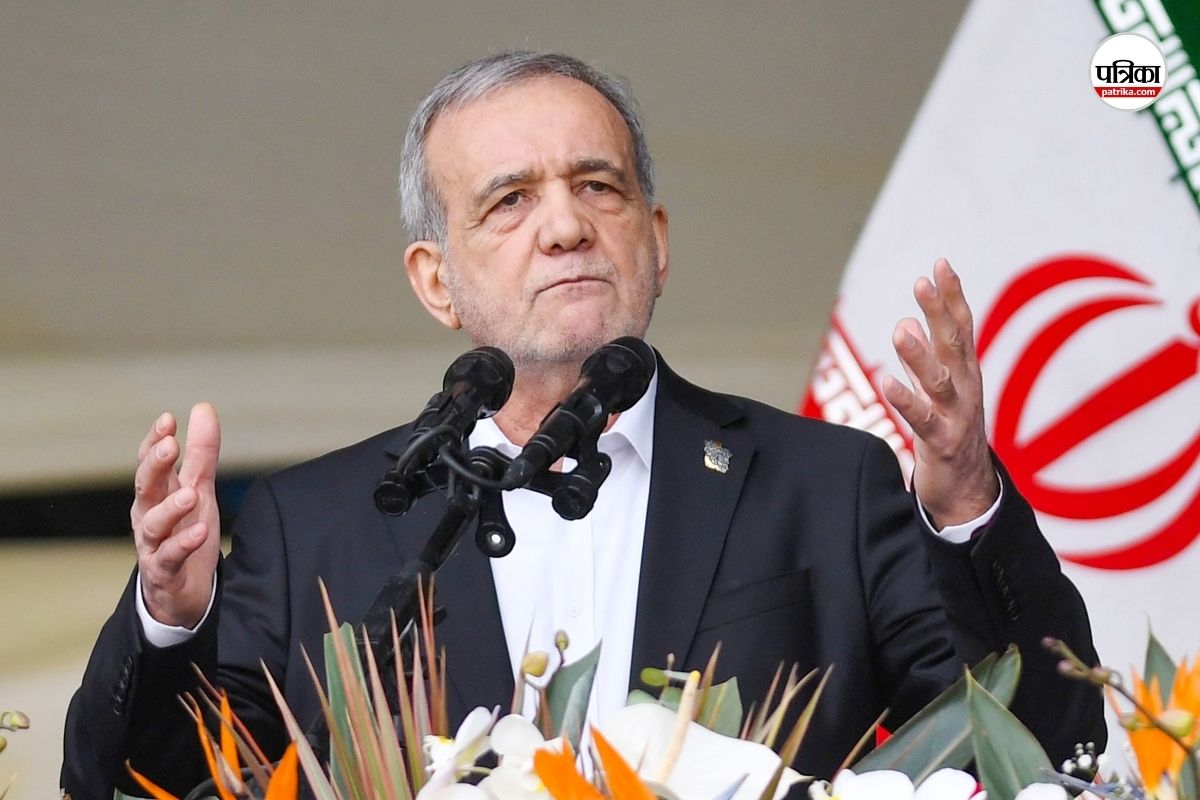
The operational posture of the Iranian nuclear program under President Masoud Pezeshkian is governed by a recurring structural dilemma: the divergence between public signaling of compliance and the technical mechanisms required for international verification. Declarative policy statements regarding the re-admission of International Atomic Energy Agency inspectors must be evaluated against structural friction points, institutional veto players, and verification deficits that characterize Tehran's diplomatic strategy.
The Verification Cost Function
International oversight of fissile material relies on continuous data collection, containment, and surveillance measures. When a state restricts access to declared facilities or suspends specific monitoring protocols—such as the legislative measures enacted by the Iranian parliament—the degradation of continuity of knowledge follows a non-linear trajectory.
The primary components of this verification degradation include:
- Surveillance Gaps: Offline or removed monitoring cameras eliminate the temporal baseline of material movements.
- Access Deficits: Uninspected facilities, such as newly designated enrichment infrastructure, prevent the agency from auditing inventory flow balances.
- Stockpile Uncertainty: Quantifying enriched uranium inventories without continuous physical and remote verification introduces compounding error margins.
President Pezeshkian’s assertions that Tehran remains open to inspection frameworks operate at the rhetorical layer. However, the operational layer requires resolving security guarantees for personnel, data confidentiality constraints, and the legal basis of the inspection mandate. Without structural alignment on these parameters, broad political willingness fails to translate into restored safeguards.
Institutional Asymmetry and Policy Enforcement
The dual-key nature of foreign policy decision-making in Tehran creates systemic friction between executive messaging and institutional execution. While the executive branch under the presidency manages diplomatic optics and international interviews, strategic control over nuclear policy remains anchored in higher security bodies and legislative mandates.
[Executive Rhetoric: Diplomatic Engagement]
       │
       ▼ (Friction / Veto)
[Legislative Mandates: Mandatory Suspension of Protocols]
       │
       ▼ (Execution)
[Operational Ground Reality: Restricted Inspector Access]
This structural division explains why statements favoring cooperation routinely run parallel to institutional hardening. The cost of unilateral concessions without reciprocal sanctions relief creates domestic political vulnerability, compelling the state to condition technical access on external concessions regarding security and intelligence protection.
Strategic Implications of Conditional Transparency
The insistence by Iranian leadership that inspections occur outside the "existing framework" points toward a renegotiation of the baseline terms of engagement under the Non-Proliferation Treaty and related safeguards agreements. By framing standard verification as an administrative item subject to bilateral bargaining rather than an unconditional legal obligation, Tehran establishes a high-friction negotiation posture.
The operational bottleneck is therefore not merely a question of physical entry for inspectors, but the terms of reference governing what data can be collected, how it is stored, and who maintains custody of sensitive facility blueprints. Until these parameters are codified through verifiable administrative arrangements, diplomatic signals of openness will continue to coexist with institutional frameworks that restrict transparency.
Execute technical negotiations by tying incremental inspector access directly to phased verification protocols, ensuring that data continuity is restored prior to any broader structural relief.


