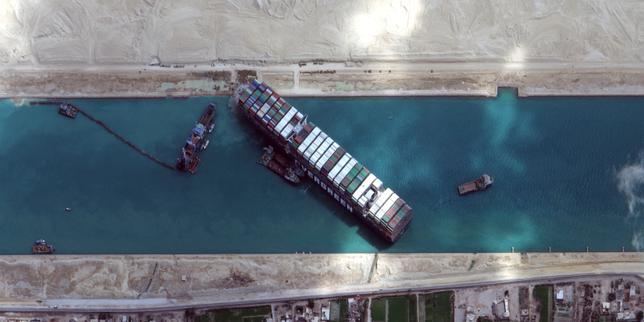
Everybody loses their minds over the transit fees on the Suez Canal. Look at the headlines. Columns of text wringing their hands over six-figure toll bills, as if a half-million dollars to skip a twelve-day detour around the entire African continent is some kind of highway robbery.
It is not robbery. It is the best damn bargain in global logistics.
I have watched logistics directors sweat bullets over invoice line items while missing the entire balance sheet reality. They look at the gross toll price tag, hyperventilate over the cash outflow, and miss the operational mechanics entirely.
Here is the lazy consensus everybody parrots: moving a mega-container ship through the Red Sea corridor to the Mediterranean costs a fortune, squeezes margins, and punishes modern operators.
That narrative is complete garbage.
The Math Behind the Toll Tag
Let us look at the actual economics. A typical ultra-large container vessel forks over roughly four to five hundred thousand dollars in canal dues depending on cargo weight, draft, and Suez Net Tonnage. Sounds heavy? Let us run the alternative.
Taking the Cape of Good Hope adds roughly three thousand five hundred nautical miles to an Asia-to-North Europe run. At an economic cruising speed of nineteen knots, that detour demands an extra eight to ten days at sea.
Now calculate the burn rate. A modern container ship running heavy burns anywhere from one hundred and fifty to two hundred tons of heavy fuel oil or marine gas oil every single day. Multiply those extra ten days by fuel costs, add charter depreciation, crew costs, maintenance allocation, and the opportunity cost of stalled inventory sitting on the water instead of turning over on retail shelves.
The detour does not save you money. It bleeds you dry. The toll is not a penalty. It is a discount packaged as a bill.
"Shipping executives love to complain about canal tariffs while ignoring the daily burn rate of steaming an extra week around a continent."
Why the PAA Questions Miss the Mark
When people search for how Suez transits work, they stumble into a graveyard of shallow answers.
People ask: Why are Suez Canal tolls so high?
The premise is already broken. They are not high. They are priced according to utility, not cost-plus accounting. The Suez Canal Authority sets fees based on alternative cost avoidance. If skipping the canal costs a million dollars in burned bunkers and delayed capital, a five-hundred-thousand-dollar toll isn't extortion. It is a fifty percent discount on your operational failure.
People ask: Can ships just avoid the canal altogether?
Sure. They can. And during geopolitical flare-ups or security crises in the Bab-el-Mandeb strait, many do. But notice what happens to global freight rates the moment they reroute south of Africa. Spot rates explode, container equipment imbalances cascade through major ports in Rotterdam and Singapore, and supply chains grind to a halt. The market punishes you tenfold for every day you spend avoiding the shortcut.
The Real Operational Risk Nobody Talks About
The danger in maritime logistics is not paying the toll. The danger is treating toll management like an administrative afterthought instead of a strategic variable.
I have seen companies blow millions on reactive charter decisions because their procurement teams treated canal transit as a static fixed cost rather than a dynamic hedge. They wait until the bottleneck hits to figure out their draft allowances, or they miscalculate cargo tonnage declarations and get slapped with demurrage penalties at the pilot stations in Port Said or Suez.
Precision matters. A centimeter of trim error can alter your toll bracket or force a lightering operation that costs more than the fee itself. If your operational desk does not know the exact cubic parameters of their vessels down to the centimeter, you are throwing cash into the Bitter Lakes.
Stop Trying to Save on Tolls and Optimize Your Turnaround
The obsession with cutting transit fees is a symptom of weak operational discipline. You cannot negotiate down the Suez Canal Authority. They hold a geographic monopoly backed by unmatched transit speed. Whining about the price does not change the geography of the Sinai Peninsula.
Instead of hunting for non-existent discounts on transit dues, fix the real margin drains sitting inside your fleet management:
- Audit your draft management: Stop under-loading or miscalculating cargo metrics. Precision in documentation prevents costly administrative standstills at the approaches.
- Synchronize arrival windows: Missing your convoy slot means burning thousands of dollars waiting an extra day in the anchorage zones. Time your approach with the same rigor an airline uses for slot allocation at Heathrow.
- Factor inventory velocity into fuel models: Stop viewing fuel burn in isolation. A slower, longer route ties up working capital that could be generating yield elsewhere.
The market rewards execution, not complaints. The next time your finance team gripes about a six-figure invoice from the canal authority, hand them a calculator, point them toward the Cape of Good Hope fuel curves, and tell them to pay the bill with a smile.