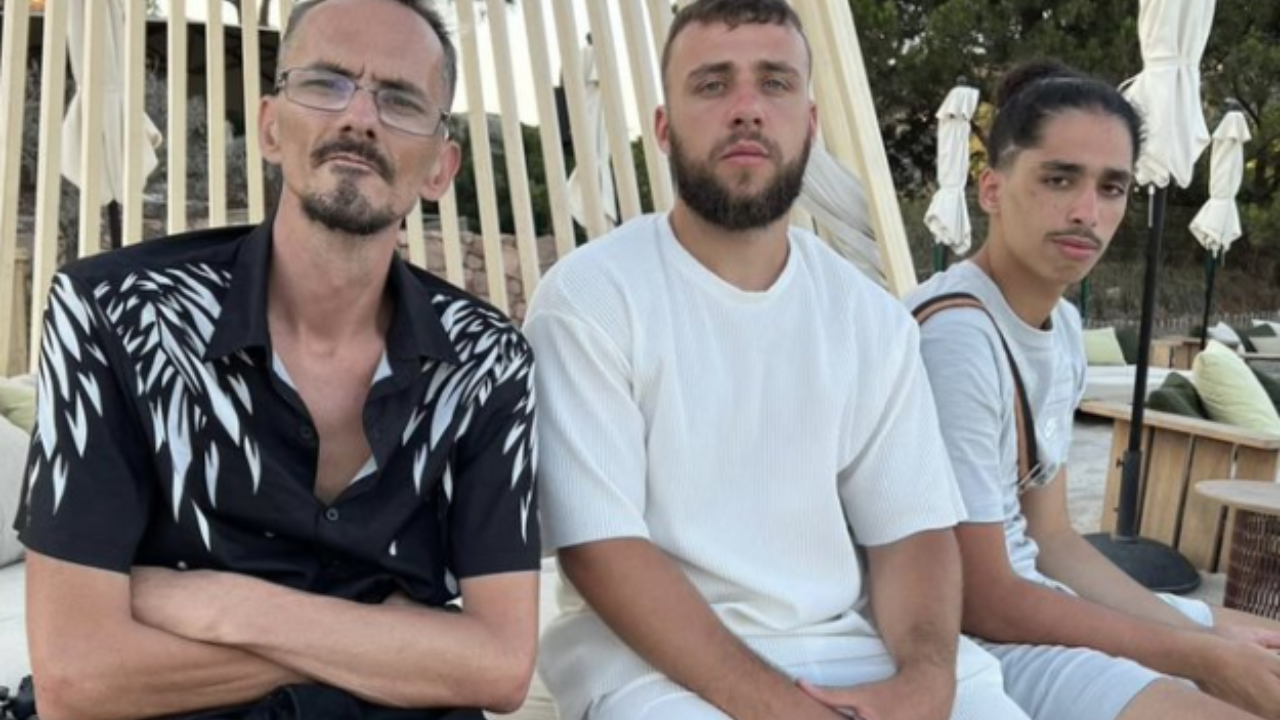
The internet let out a collective sigh of moral superiority when the Nice tribunal handed down suspended sentences to Owen Cenazandotti, known as Naruto, and Safine Hamadi following the tragic broadcast death of Jean Pormanove. Commentators rushed to their keyboards to declare that justice had been served, pointing to the two-year and eighteen-month suspended terms, the financial penalties, and the short-term social media bans as proof that accountability exists in the wild west of live streaming.
They are entirely wrong.
Suspended sentences in cases of prolonged, monetized degradation are not a victory for accountability. They are an administrative shrug. When a court looks at months of calculated abuse, systemic humiliation, and the exploitation of a vulnerable person packaged as entertainment for thousands of paying subscribers, and decides that the perpetrators should walk free unless they mess up again, the legal system has fundamentally misunderstood the modern attention economy.
Let us strip away the comfort of the mainstream narrative. The lazy consensus is that Naruto and Safine were merely reckless individuals who pushed a joke too far, and that the state stepped in to draw a firm legal line. The data tells a starkly different story. These streams were not accidental tragedies born of spontaneous high spirits. They were structural businesses built on human suffering.
Jean Pormanove, real name Raphaël Graven, was exploited on a platform designed to bypass traditional moderation. The business model was simple: pain and degradation translated directly into subscriber revenue and viewer retention on Kick. When Naruto forced Pormanove on camera to state that any sudden death would be the result of his "forty-six years of miserable life" rather than the abuse he endured on stream, it was not banter. It was premeditated legal insurance disguised as edgy content.
Yet, the legal framework handled this architecture of cruelty with kid gloves.
Imagine a corporate executive operating a physical workplace where employees are systematically beaten, humiliated, deprived of rest, and filmed for profit until one of them dies on the premises. That executive does not walk out of the courtroom with a suspended sentence and a six-month posting timeout. They face immediate, heavy incarceration because physical geography forces the law to recognize physical danger.
Digital platforms and their creators operate under a dangerous legislative blind spot. Because the abuse happened behind glass screens and fiber-optic cables, the judicial system treated it as a content moderation failure rather than a violent enterprise. A suspended sentence communicates a single, toxic message to the streaming underground: you can monetize human misery for years, build an empire on degradation, and if the worst happens, you will not spend a single night behind bars.
The outrage shouldn't be directed solely at the leniency of the verdict, however. It must be directed at the absurdity of the "consensual trash stream" defense.
Lawyers for the defense argued that Pormanove participated voluntarily, framing the streams as collaborative dark comedy. This argument collapses under basic psychological analysis. Consent requires autonomy, and autonomy requires the absence of coercion and severe vulnerability. When an individual is trapped in an economic and social feedback loop of dependency, humiliation, and addiction to the very platform destroying them, choice becomes an illusion. To accept consent in an environment of calculated exploitation is to misunderstand how modern attention-farming destroys free will.
The platform itself bears an equal share of institutional guilt. Kick built its entire market share on being the refuge for creators banned elsewhere for hate speech and violence. When regulators point fingers at the company, executives cry politics, yet they designed a revenue split that incentivized frictionless, unmoderated shock value.
We are witnessing the institutionalization of digital bloodsports. The public wants to believe that a suspended sentence puts an end to the cycle, allowing everyone to return to scrolling with a clean conscience. It does not. It merely establishes a low-cost tariff for human destruction.
If we want to stop the next iteration of this tragedy, we have to stop treating online cruelty as a civil liberties issue or a moderation glitch. It is organized harm. Until courts start handing down mandatory, un-suspended prison time for those who monetize the systematic abuse of vulnerable human beings, the digital arena will remain a slaughterhouse with a Wi-Fi connection.
Stop pretending the system fixed the problem. The system just looked away.