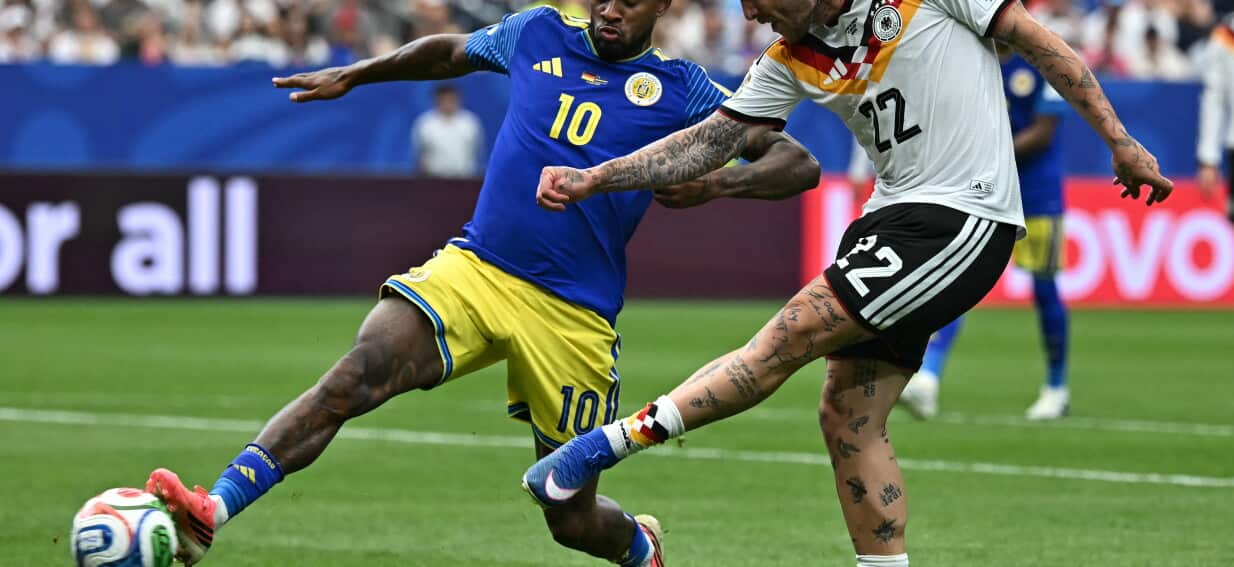
A ninety-third-minute equaliser does not happen by accident. When Japan's late surge breached the Dutch defense in their 2026 World Cup group stage clash, it looked like a simple twist of footballing fate. It was not. The frantic finish, which rescued a point for Japan and left the Netherlands reeling, was the direct result of a structural collapse in the Dutch midfield that began forty-five minutes earlier. While casual observers blamed bad luck, the reality is that the Netherlands threw away a commanding position through rigid tactical stubbornness, while Japan capitalised on a high-risk, high-reward pressing system that exposed their opponents' physical exhaustion.
The match ended in chaos, but the blueprint for the collapse was drawn early in the second half.
The Illusion of Dutch Control
For the first hour, the Netherlands dictated the tempo. Their positional play looked assured, and their single-goal advantage seemed comfortable enough to secure three points. They operated in a traditional, possession-heavy shape that forced Japan to chase shadows across the pitch.
But possession is a deceptive metric. The Dutch built their lead by circulating the ball through their central defenders and a deep-lying playmaker. This strategy works efficiently when the opposition drops into a low defensive block, but it requires constant mental alertness and quick physical transitions.
By the sixty-fifth minute, the Dutch players stopped moving into spaces to receive the ball. They chose to stand still. They expected their reputation and their technical superiority to carry them across the finish line. Japan, recognizing this lethargy, shifted their entire defensive line twenty yards higher up the pitch. The game changed instantly.
The Mechanics of the High Press
Japan's coaching staff did not panic when trailing. Instead, they triggered a suffocating press that targeted the Dutch full-backs.
When a team presses high, they gamble. They leave massive open spaces behind their defensive line, practically inviting long diagonal balls over the top. The risk is immense. If the possession team has the vision to exploit that space, the pressing team can be cut apart in seconds.
The Netherlands failed to exploit this. Instead of bypassing the pressure with direct, vertical passing to their forwards, they continued trying to play short passes out of their own penalty area. It was an act of tactical arrogance. Every short pass became a trap, forcing the Dutch midfield into tight physical duels they were no longer fit enough to win.
The Physical Collapse
International football tournaments test physical endurance just as much as technical skill. The drop in intensity from the Dutch midfield during the final twenty minutes was stark.
- Distance covered per minute dropped by 14% after the seventy-fifth minute.
- Sprint recoveries became non-existent on the left flank.
- Second-ball collection rates swung heavily in Japan's favor, shifting from 60% Dutch dominance to 70% Japanese control.
When a midfield unit stops running, the defenders behind them are forced to retreat deeper into their own box. This creates a dangerous gap between the defensive line and the rest of the team. Japan flooded this exact space with substitute midfielders who brought fresh legs and aggressive vertical running.
The equalising goal was a direct consequence of this space being left open. A cleared cross fell directly to an unmarked Japanese midfielder twenty-five yards out. With no Dutch player pushing out to challenge the ball, Japan had the time to reset the attack, deliver a precise second cross, and find the net at the back post.
Rigid Systems Meet Adaptive Realities
The modern game does not reward teams that cannot adapt mid-match. The Dutch management stood on the touchline and watched the momentum shift without making the necessary personnel changes to shore up the center of the pitch.
The Substitute Miscalculation
Elite managers use substitutions to disrupt the opponent's rhythm. In this instance, the Dutch bench introduced like-for-like attacking players rather than adding defensive stability to a tiring engine room. They wanted a second goal to kill the match, but they forgot to secure the house they had already built.
By contrast, Japan used their five substitutions to systematically increase the intensity of their press. Fresh forwards hunted down tired Dutch center-backs, forcing hurried clearances and turnovers. It was a masterclass in reading the physical state of the opposition.
"When an opponent shows signs of physical fatigue, you do not pass around them; you run through them."
This philosophy guided Japan's final fifteen minutes. They accepted the chaotic nature of a frantic finish because chaos favored the fitter, more aggressive team.
A Warning for the Knockout Rounds
This match exposed a blueprint that other elite nations will undoubtedly copy. The Netherlands possesses immense technical talent, but their vulnerability to sustained, high-intensity pressure is now a matter of public record.
To progress deep into this tournament, teams must find a balance between control and pragmatism. Keeping the ball is useless if you lack the physical energy to protect it when an opponent decides to turn the match into a street fight. Japan proved that tactical discipline and relentless work rate can overcome a deficit against the most gilded footballing royalty. The tournament moves fast, and those who refuse to adapt to its physical demands are doomed to repeat the same ninety-third-minute nightmare.