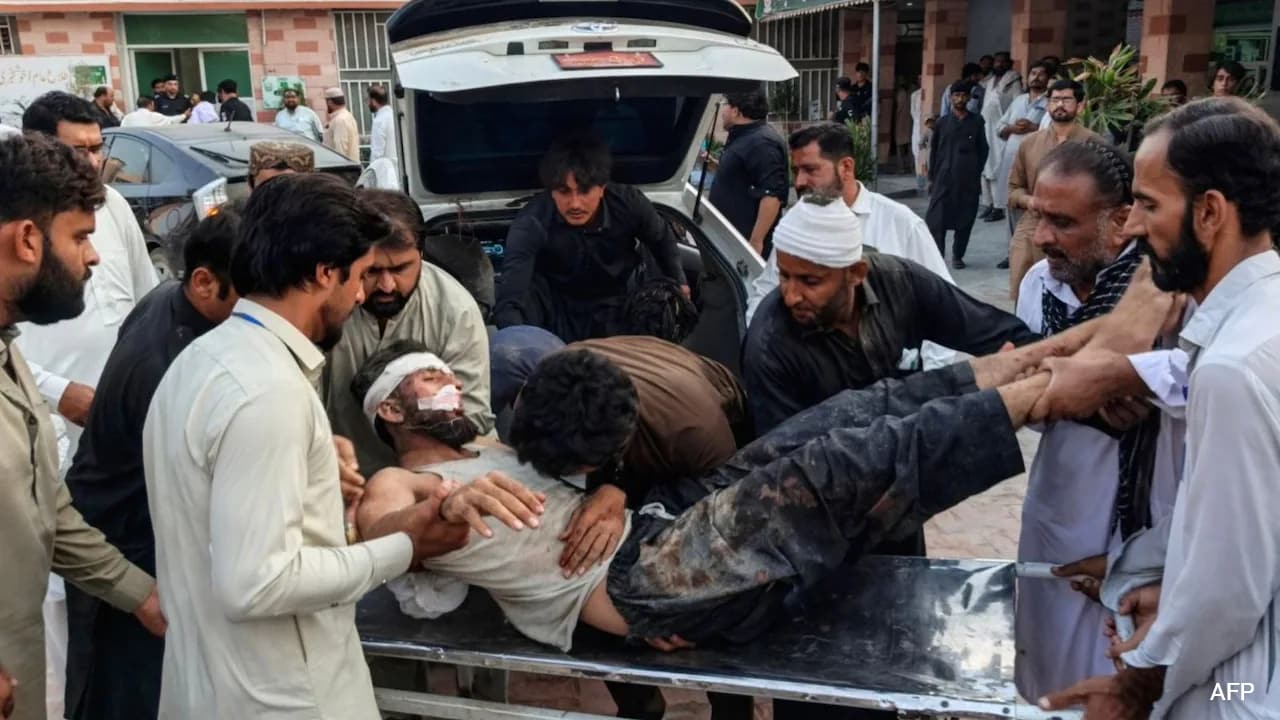
The headlines always read the same way. Gunmen open fire on an ambulance rescuing victims of a suicide bombing. The world gasps. Condemnations flood diplomatic wires. Pundits on cable news clutch their pearls and invoke international humanitarian law, Geneva conventions, and the basic degradation of human morality.
Everyone agrees it is an unspeakable atrocity. Everyone agrees the perpetrators are monsters crossing a line that should never be crossed.
Everyone is missing the point.
This is not a failure of morals. It is an escalation of logic. When you evaluate insurgent tactics through the cozy lens of Western legalism, you miss the cold, ruthless calculus of modern asymmetric conflict. If we want to stop these attacks, we first have to stop pretending they are random acts of senseless violence. They are deliberate, calculated tactical choices designed to exploit the mechanics of modern emergency response.
Let us look at the operational reality on the ground.
The Humanitarian Trap
In a standard counter-insurgency or high-threat zone, the ambulance is not neutral infrastructure. It is a dual-use asset. Insurgent networks and state security forces alike know the basic physics of urban warfare: after a primary blast, the immediate aftermath creates a massive intelligence and operational bottleneck.
When a suicide bomber detonates in a crowded market or near a checkpoint, the initial chaos is high. The secondary phase is where the real tactical fight happens. Casualties need extraction. Responders flood the zone. Intelligence gatherers mix with medics. Safe corridors open up through security cordons specifically for emergency vehicles.
For a group running an insurgency, a stationary target or a fleeing victim is a closed loop. But an ambulance? An ambulance is a high-speed vehicle with guaranteed clearance to move through checkpoints, evade curfews, and transport personnel or contraband across hostile sectors.
In intelligence circles, the weaponization or exploitation of medical transport is an open secret. I have spoken with security contractors and regional analysts who have tracked how insurgent cells routinely utilize medical vehicles to ferry wounded fighters, cache weapons, or scout restricted zones precisely because the enemy is psychologically and legally conditioned not to fire on them.
When an insurgent group decides to target the rescue effort itself, they are executing a brutal inversion of the humanitarian shield. They are destroying the utility of the vehicle so it can no longer be trusted by anyone.
Breaking The Medical Shield
The lazy consensus in international journalism is that attacking rescue workers is counter-productive to the attackers because it alienates the local population.
This assumes the local population has a choice, or that the insurgent group cares about public approval ratings the way a Western politician cares about a Gallup poll. In many of these operational theatres, fear is a more efficient governance tool than popularity. By attacking the ambulance, the attackers achieve two distinct strategic objectives that completely outweigh the public relations hit.
First, they eliminate the rescue cycle. In high-casualty bombings, survival rates depend entirely on the golden hour of trauma care. If you shoot up the ambulances, you drastically increase the mortality rate of the attack. A bomb that kills ten people initially becomes exponentially more lethal when the wounded bleed out in the street because medical crews are too terrified to respond. The psychological impact on the civilian population multiplies. Nobody comes to help. Paralyzing fear sets in.
Second, they force the state or security forces into a defensive crouch. When ambulances become combat zones, authorities are forced to militarize medical transport. Every ambulance now requires an armed escort. Every rescue mission becomes a tactical combat operation. This slows down response times, drains resources from frontline security operations, and turns every health worker into an armed combatant in the eyes of the adversary.
Once you militarize the ambulance, the legal protections evaporate anyway. The attackers have successfully dragged the entire humanitarian apparatus down into the mud with them.
The High Cost Of Moral Outrage Without Strategy
Condemnation is cheap. It costs nothing to draft a United Nations resolution or issue a press statement expressing deep concern over the violation of medical neutrality.
But moral outrage is a terrible tactical doctrine. When we treat these incidents purely as moral failures rather than strategic maneuvers, our countermeasures fail. We spend billions on security protocols that rely on the adversary playing by a rulebook they never signed.
If an actor operates outside the social contract, appealing to their better angels is a waste of time. You cannot shame a network that views collateral damage and terror escalation as core KPIs.
We need to stop acting surprised when bad actors exploit our ethical blind spots. Every time we express shock that an ambulance was targeted, we advertise our own naivety to an enemy that trades in ruthlessness. The only way to change the calculus on the ground is to remove the operational incentive—securing medical corridors with overwhelming force, utilizing remote extraction where possible, and treating any interference with emergency services as a high-priority kinetic target that carries immediate, catastrophic military consequences for the perpetrators.
Until we stop treating asymmetric warfare like a gentleman's disagreement gone wrong, the ambulances will keep burning, and we will only have ourselves to blame for keeping our eyes shut.