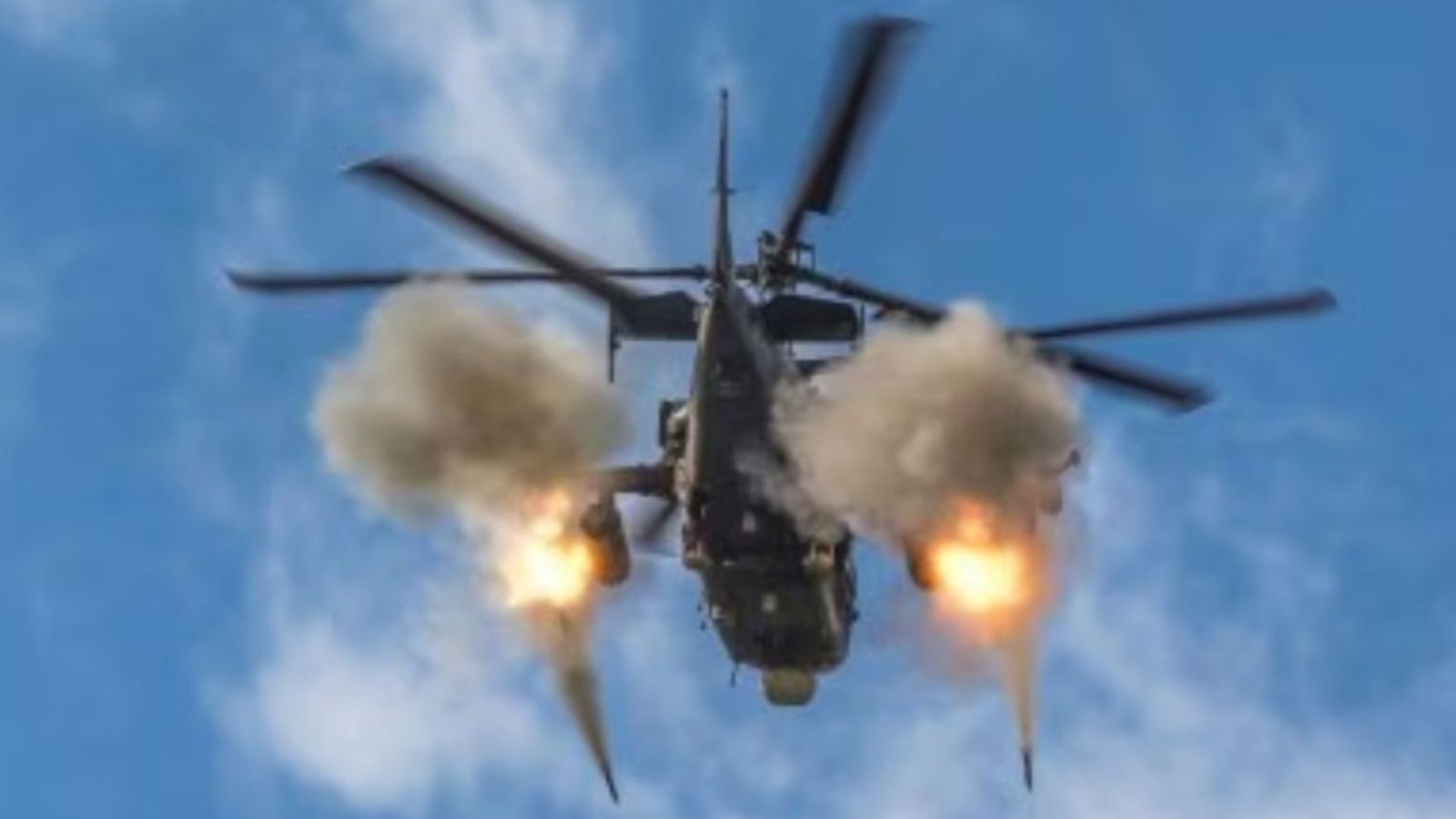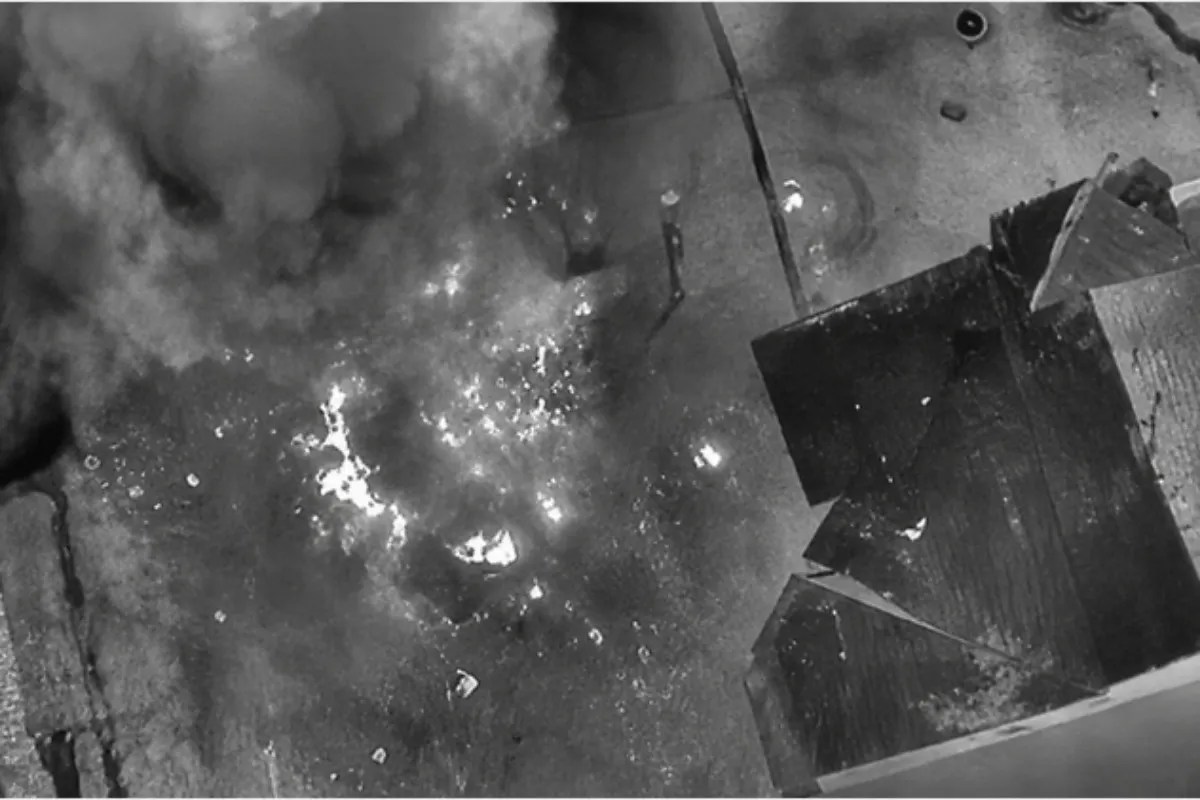
The announcement dropped through standard military communications channels with cold efficiency. Mahmoud Fatair, a key operational commander within the Palestinian Islamic Jihad, was dead, neutralized by an Israeli military strike. For military analysts tracking the granular mechanics of the ongoing Gaza conflict, this was not merely another casualty report tucked into a daily operational summary. It represented a deliberate targeting methodology that has defined the theater for months: the systematic dismantling of mid-to-high-tier leadership cells designed to paralyze tactical execution rather than just strategic vision.
Military spokespersons confirmed the operation targeted Fatair due to his direct involvement in orchestrating attacks and managing logistics for the militant organization. Yet, looking past the official briefings reveals a complex web of intelligence gathering, urban warfare adaptation, and asymmetric attrition. When a commander like Fatair is removed, the institutional knowledge does not simply vanish; it fractures. Understanding the mechanics of this strike requires stepping back from the immediate flashpoint to examine how modern counter-terrorism operations target the nervous system of non-state armed groups.
The Anatomy of a Targeted Strike
Modern intelligence-led warfare relies on a continuous feedback loop between signals intelligence, human assets, and aerial surveillance. For an individual like Mahmoud Fatair to be successfully targeted, a multi-layered surveillance apparatus must operate uninterrupted within a dense urban environment. Islamic Jihad operates through decentralized cells, a structural defense mechanism adopted precisely to survive high-intensity aerial campaigns.
When a cell leader is identified, the window for action is often measured in minutes.
- Intelligence Fusion: Combining real-time movement tracking with historical communications patterns.
- Collateral Minimization: Calculating civilian presence in proximity to the target zone to meet operational thresholds.
- Execution Phase: Deploying precision-guided munitions to minimize structural damage while ensuring maximum kinetic effect on the individual.
This methodology shifts the conflict from broad territorial conquest to a surgical hunting campaign. But hunting commanders inside densely populated zones carries compounding costs and strategic ambiguities that official tallies rarely capture.
The Structural Ripple Effect within Palestinian Islamic Jihad
Organizations structured like the Palestinian Islamic Jihad are built to absorb shocks. Unlike conventional standing armies with rigid bureaucratic hierarchies, militant factions often utilize redundancy. When a commander falls, a pre-designated successor typically steps into the void. However, the friction generated by this transition creates operational downtime.
Fatair was not operating in a vacuum. His removal disrupts supply chains, halts pending operations, and forces remaining commanders into deeper operational security postures, which paradoxically reduces their ability to coordinate effectively.
Yet, this constant decapitation strategy breeds a specific type of institutional resilience. Junior commanders are thrust into senior roles with accelerated battlefield experience, often resulting in more aggressive or erratic tactical decisions. The institutional memory is lost, but the localized threat profile frequently adapts rather than dissolves.
The Broader Operational Horizon
The neutralization of figures like Mahmoud Fatair underscores a grim calculus driving the current phase of the conflict. The stated objective from military command centers remains the complete degradation of militant command and control infrastructure. Every successful strike on a logistics or operational commander chips away at the organization's capacity to mount complex, multi-front assaults.
At the same time, the human and infrastructural cost creates an environment where recruitment and radicalization vectors find fertile ground among populations displaced and traumatized by continuous bombardment. The tactical victory of eliminating a high-value target frequently collides with the strategic reality of political polarization.
Military analysts tracking these developments recognize a persistent paradox. Eliminating individual commanders provides short-term security gains and disrupts immediate plots, but it offers no permanent political or security resolution to the underlying conflict architecture. As long as the structural grievances and political impasses remain unaddressed, the cycle of command elimination and replacement continues unabated, a perpetual loop of kinetic action and reaction played out against the backdrop of an enduring humanitarian crisis.