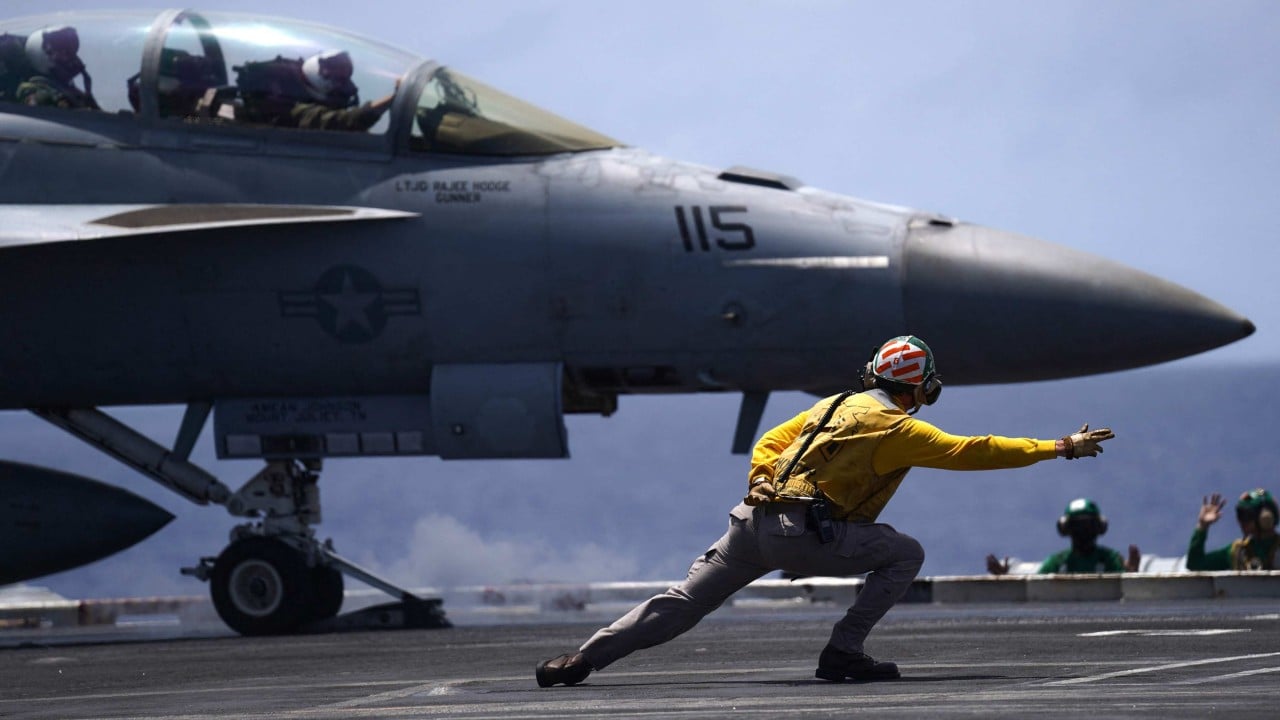
When thirty-odd navies converge around Hawaii for the Rim of the Pacific exercise, they aren’t just burning fuel and firing dummy rounds. They are quietly testing a massive digital nervous system. In recent iterations like RIMPAC 2026, the focus has shifted heavily away from simple formation steaming toward advanced uncrewed surface vessels, cyber defenses, and tactical 3D printing at sea.
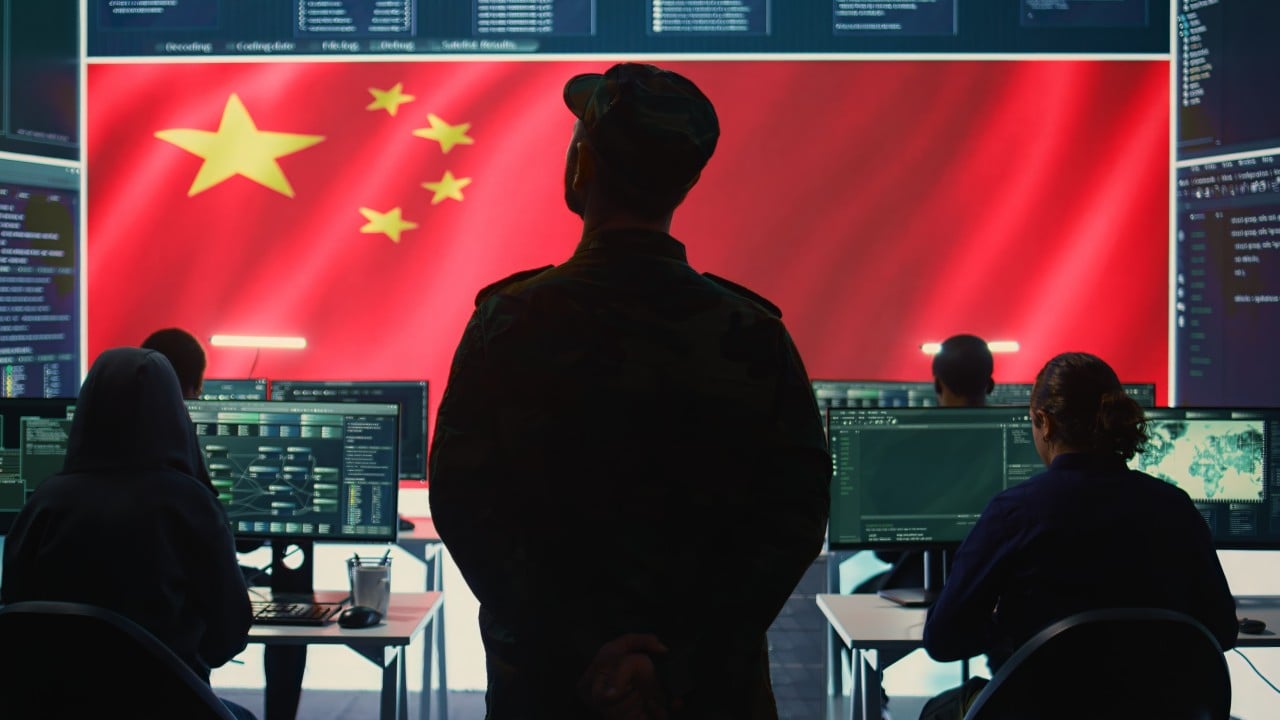
Beijing watches these massive drills with intense scrutiny. For China’s military planners, this rapid wave of technology integration isn't just an interesting display of hardware. It represents a coordinated effort by the United States and its partners to build a networked maritime grid designed to counter the People's Liberation Army Navy in the Western Pacific.
The Shift From Steel Hulls to Connected Networks
For decades, naval power was measured by the size of your guns and the thickness of your armor. Today, the metric has flipped entirely toward interoperability. How fast can an Australian support ship share target coordinates with a Japanese destroyer? Can American software talk to South Korean uncrewed vessels without human translation?
During recent multi-week exercises involving over 25,000 personnel, roughly forty surface ships, and dozens of aircraft, the real breakthrough happened in the background. Navies are plugging into shared data architectures. They are testing uncrewed underwater drones that map hazards and track movements autonomously.
"Nations bring new technologies, including unmanned systems and cyber capabilities, to evaluate how they operate alongside allied and partner forces," notes Vice Adm. Jeffrey Jablon, PACFLT deputy commander.
This kind of rapid, multinational digital coupling poses a distinct strategic headache for Beijing. China's entire regional defense strategy relies heavily on anti-access and area-denial systems meant to keep traditional carrier groups at arm's length. But a coalition that can seamlessly share sensor data across dozens of different national platforms renders single-point defense models far less effective.
What Advanced Manufacturing Means for Endurance
Another subtle piece of technology integration getting tested in the Pacific is tactical advanced manufacturing. Think about logistics. If a critical pump breaks on a warship thousands of miles from home port, that ship usually has to limp back to a base or wait weeks for replacement parts via cargo chains.
Recent drills featured mobile 3D printers capable of being dropped right onto beaches or loaded onto vessels to print replacement components on demand. When you cut supply chain delays from weeks down to a few hours, you dramatically change operational endurance.
Beijing's analysts understand this shift completely. A coalition that can repair and adapt its hardware directly in the theater of operations is much harder to starve out or outlast during a prolonged standoff. It means the U.S. and its partners are actively fixing their biggest logistical vulnerabilities.
The Counter-Strategy From Beijing
China isn't just sitting idle while rivals network their fleets. In response to these growing multilateral tech displays, the PLA has accelerated its own joint-operation tests. Carrier strike groups regularly push out past the first island chain into the Western Pacific, running live-fire drills that test early warning networks, electronic warfare countermeasures, and long-range precision strike capabilities.
When the PLA Navy showcases realistic operational sequences—such as advanced hypersonic missile trials or coordinated carrier air-wing maneuvers—it sends a direct message. Beijing wants to prove that its own system-of-systems approach can match or outpace anything Washington builds with its allies.
Moving Past the Hype
Let's be realistic about what these exercises can and cannot do. Software integration is messy. Different navies use different encryption standards, legacy hardware, and communication protocols. Getting a fleet of thirty countries to talk to each other seamlessly in the middle of an electronic jamming attack is extraordinarily difficult in practice.
However, the trend line is clear. Every iteration of these massive drills closes the gap between theory and execution. For Beijing, the primary threat isn't a single new missile or a fancy drone boat. The real danger is the creation of a permanent, digitally linked coalition capable of projecting unified power across the Indo-Pacific.
Keep an eye on how quickly these experimental uncrewed systems move from temporary exercise novelties into permanent frontline deployments. That transition will dictate the balance of power in Asian waters for the next decade.