You can spot them from a block away. The boxy silhouette, the floating roofline, the confident stance that screams Mayfair, except it costs a fraction of the badge. Internet commentators call it the Temu Range Rover, but legacy boardrooms across Solihull aren't laughing anymore.
When Chery launched vehicles like the Jaecoo 7 into markets like the UK and Australia, traditional luxury brands assumed they had an unassailable moat. They were wrong. These budget-friendly alternatives deliver ninety percent of the visual presence for roughly forty percent of the price. If you run a legacy automotive company right now, that mismatch keeps you awake at night. Read more on a similar subject: this related article.
The Economics of Modern Automotive Imitation
Let's look at the actual numbers driving this disruption. A brand-new Range Rover Evoque commands a hefty premium, often sitting near the $84,000 mark depending on spec. Meanwhile, its lookalike competitors land on showroom floors closer to $38,000.
Buyers notice the math immediately. You don't need a degree in finance to realize you can buy two full-featured SUVs for the price of one British luxury staple. Additional analysis by Business Insider delves into comparable views on the subject.
- Design Parity: Exterior styling cues have converged rapidly. Sharp LED light signatures, flush door handles, and minimalist dashboards are no longer exclusive to six-figure price tags.
- Supply Chain Agility: Emerging Asian conglomerates iterate on interior tech and infotainment software cycles twice as fast as traditional European stalwarts.
- Perceived Value: For the average commuter who cares more about cabin screens and high driving positions than heritage badges, the premium tax feels harder to justify.
Why Brand Heritage Isn't Enough Anymore
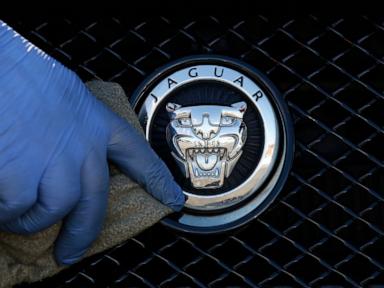
Executives at Jaguar Land Rover love to talk about royal warrants, decades of off-road pedigree, and quiet luxury. Those things matter to collectors. They don't matter much to a thirty-five-year-old buyer cross-shopping family haulers online.
When budget alternatives flood the market, they chip away at the aspiration layer. Once a design shape becomes common on every suburban street via an affordable clone, the flagship loses some of its exclusive aura. You can argue until you're blue in the face that the metallurgy and crash structures differ, but visual fatigue hits the original brand first.
Insurance companies are adding fuel to the fire, too. Data shows that insuring these new entrants can be tricky and expensive because repair parts networks take time to mature. Even with higher initial policy quotes, the total cost of ownership often undercuts European luxury options significantly.
Where Legacy Brands Go From Here
Ignoring the trend is a fatal mistake. Jaguar Land Rover is attempting to pivot hard toward ultra-luxury electrification, hoping to leave the volume-imitation crowd behind in the dust. It's a high-stakes gamble. If you abandon the entry-level luxury tier to focus solely on vehicles costing upwards of two hundred grand, you surrender immense market share to the very competitors you once dismissed.
Stop treating design mimicry as a harmless compliment. It's a structural threat that forces every legacy manufacturer to justify their pricing through tangible innovation rather than resting on historical laurels. If the product doesn't feel radically superior inside and out, the market will vote with its wallet.
The Chinese Land Rover Defender clone: it costs €20000
This video explores how low-cost Chinese automakers replicate iconic British off-road styling cues at a fraction of the traditional price point.