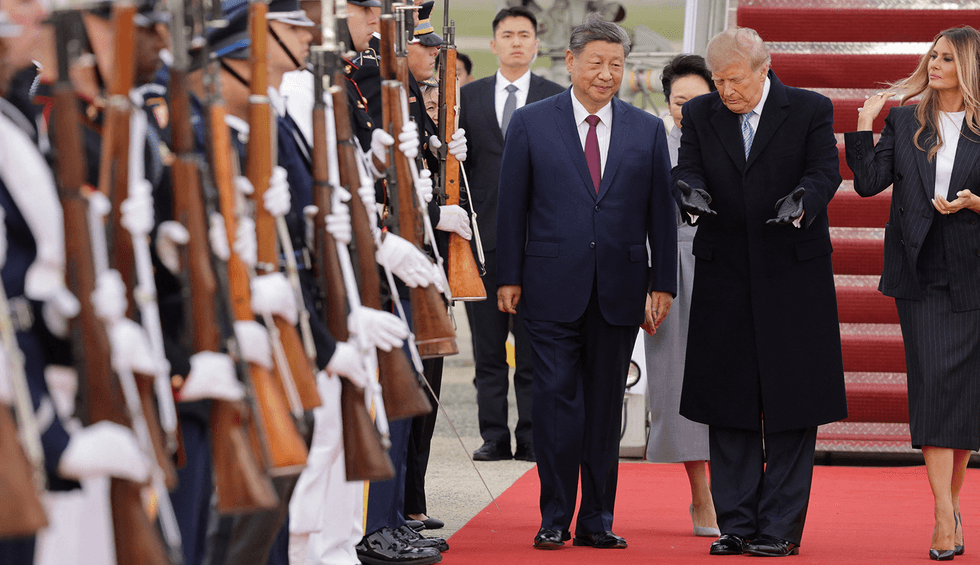
The National Museum of African American History and Culture was built to stand as an architectural anchor on the National Mall, but its existence has always been an exercise in friction. When the institution opened its doors a decade ago, the consensus inside Washington establishment circles was one of cautious relief. A cultural project decades in the making had finally materialized inside an iconic bronze corona. Yet, museums dealing in the hard realities of American history rarely stay comfortable for long. As the institution marks its tenth anniversary, the political landscape has shifted dramatically, placing the museum directly in the path of a resurgent conservative administration determined to police how historical narratives are constructed, funded, and taught.
Political pressure is not a new variable for the Smithsonian Institution, but the nature of the current antagonism feels distinct. This is not the familiar legislative squabbling over federal appropriations or minor administrative overhauls. Instead, the administration's posture toward cultural institutions reflects an aggressive campaign to reassert ideological control over public spaces. The museum's curatorial focus on systemic racism, the economic mechanics of chattel slavery, and the civil rights struggles that challenged American democracy makes it an inevitable target for a political movement built on grievance and cultural revisionism. Expanding on this topic, you can also read: From Street Corner Surveillance to Social Engineering The Eyes in the Sky Watching Turkish Drinkers.
To understand the current tension, one has to look past the official press releases and examine the structural mechanics of how federal museums operate under political scrutiny. The National Museum of African American History and Culture is a public-private hybrid. While it relies heavily on federal funding for basic operations, building maintenance, and federal salaries, a significant portion of its initial capital and ongoing programming relies on private philanthropy and endowments. This funding structure provides a buffer, but it also creates vulnerabilities. When executive agencies and congressional committees begin scrutinizing grants, educational programming, and exhibition texts, the institutional leadership faces a quiet, persistent pressure to soften its edges.
Veteran observers of Washington politics recognize the playbook. It begins with targeted media outrage over specific exhibits or educational modules. Lawmakers soon follow with sternly worded oversight letters demanding documentation on educational grants and visitor engagement metrics. The ultimate goal is rarely closure; rather, it is preemptive compliance. By keeping cultural institutions perpetually on the defensive, political actors hope to induce self-censorship among curators and directors who would rather avoid a budgetary showdown. Experts at NPR have shared their thoughts on this trend.
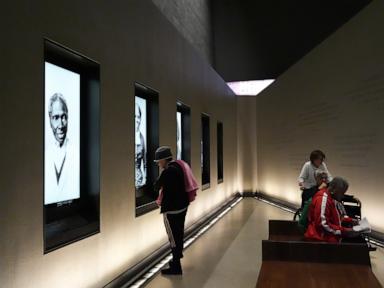
Yet, ten years after its grand opening, the institution's leadership has shown little appetite for retreat. The museum's galleries continue to draw massive crowds, demonstrating that public demand for a rigorous, unvarnished accounting of the Black American experience far outweighs the manufactured outrage of partisan commentators. Visitors still line up for hours to descend into the contemplative subterranean history galleries, moving upward through the light-filled upper floors dedicated to music, sports, and cultural achievement. That physical journey—from the dark corridors of the slave trade to the vibrant heights of modern cultural contribution—is precisely what makes the institution so vital and so contested.
The challenge ahead is not merely surviving a four-year political cycle. The deeper test lies in institutional resilience. When a museum becomes a battleground for the soul of national identity, everyday administrative decisions carry profound weight. Every acquisitions policy, every community outreach program, and every interpretive label on a display case becomes a minor trench in a broader cultural war.
For now, the museum remains undaunted. But the next decade will demand a level of political acumen and steadfastness that matches the historical weight of the artifacts housed within its walls. History is never neutral, and those who curate it rarely escape unscathed.