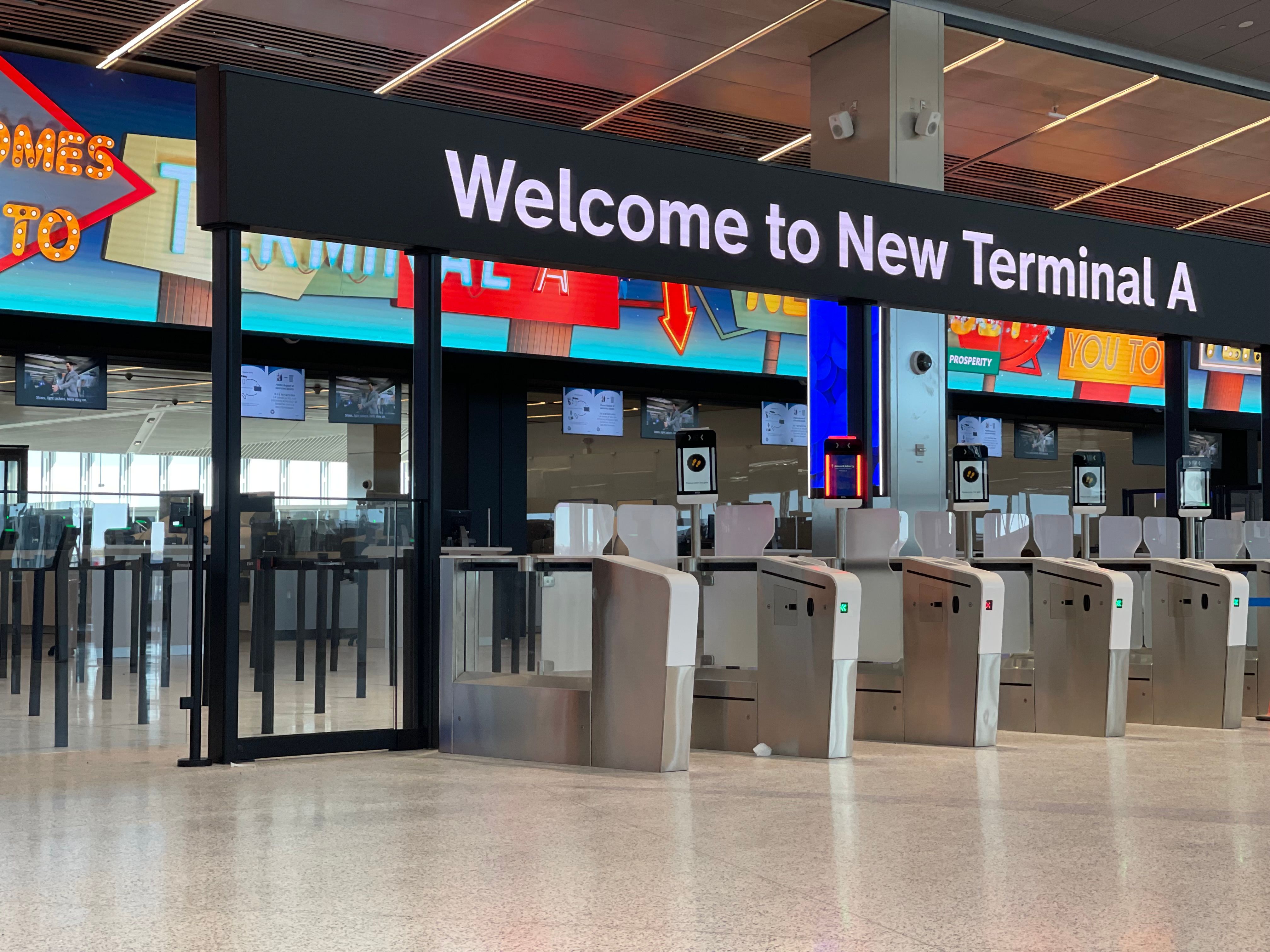
The fluorescent lights of Los Angeles International Airport hummed with the monotonous drone of a thousand delayed dreams. It was late. The terminal floor was littered with the ghosts of spilled coffee and the scuffs of rushed departures. Passengers clutched boarding passes, their minds anchored to luggage claims and connecting flights, utterly blind to the invisible theater playing out around them.
Then, the federal agents moved in. For another look, read: this related article.
There was no cinematic shootout. No dramatic flipping of tables. Just the sudden, heavy closure of a circle around a woman standing near the departure gates. Her name was Lin Chen. To the casual observer, she was just another Southern California realtor—someone who spent her days staging open houses, navigating escrow accounts, and talking up granite countertops. But on this night, the terminal transformed into a courtroom of international espionage.
The FBI didn't arrest a master spy in a trench coat. They arrested a neighbor. Someone who smiled at the mail carrier. Someone who paid taxes, went to grocery stores, and blended seamlessly into the sun-bleached asphalt of the American suburbs. Related insight on the subject has been published by Reuters.
And that is where the real story begins. Not with the handcuffs, but with the quiet, chilling realization of how close the front lines of global power have crept to our front doors.
The Anatomy of an Invisible Conflict
We live with a profound misconception about how espionage works. We imagine James Bond tropes, subterranean lairs, and encrypted microdots passed in dark alleys. We think state-sponsored intelligence operations are things that happen elsewhere—in divided Berlin squares, along fog-shrouded European borders, or across heavily monitored Asian straits.
We rarely picture them in a suburban kitchen in California.
Consider the mechanics of modern influence. Modern intelligence agencies do not always rely on high-ranking government officials leaking nuclear launch codes. Often, they look for the soft underbelly of diaspora communities. They look for ordinary people caught between two worlds—people with family back home, people susceptible to pressure, flattery, or ideological appeal.
Lin Chen’s arrest wasn't just about one individual accused of acting as an illegal agent for the People's Republic of China. It was a window into a vast, shadow-drenched network of transnational repression and intelligence gathering that operates in plain sight. According to federal indictments, the scope of the operation stretched across borders, targeting high-value political figures—specifically, the family members of Taiwan's leadership.
Think about the sheer audacity of it. The son of Taiwan's president, living or traveling within the orbit of international exchange, becoming a localized target thousands of miles away from the political epicenter of Taipei. The battlefield is no longer just a geographical location. It is anywhere a target breathes.
The Cost of Living Between Two Worlds
To understand why someone crosses the line from local professional to foreign asset, you have to look past the statutory definitions of crime and examine human vulnerability.
Imagine living in a country where your success is measured by the American Dream—the manicured lawn, the reliable sedan, the independent business. Yet, your roots remain tethered to an ancestral homeland experiencing one of the most volatile geopolitical standoffs in modern history. Every phone call home carries an unspoken weight. Every relative back in the old country is a potential hostage to circumstance.
Intelligence handlers are masters of leverage. They don't always start with bags of cash. Sometimes, they start with a polite request. A favor for a cousin. A bit of information about local political gatherings. An introduction to a visiting dignitary. Before the target realizes they are drowning, they are already deep in the undertow.
The federal complaint against Chen alleges a deliberate campaign of surveillance, tracking movements, reporting back to handlers in Beijing, and attempting to gather intelligence on sensitive targets. It reads like a slow-motion tragedy of a life hijacked by forces far larger than a Southern California real estate market.
We want our villains to look monstrous. We want them to sneer. It is deeply unsettling to confront the banality of modern treason. Chen wore sensible shoes. She wrote real estate listings. She navigated the mundane bureaucracy of American life while simultaneously feeding intelligence to a foreign government.
The Whispers in the Suburbs
For years, counterintelligence officials have warned that the United States has become a primary arena for covert operations by foreign adversaries seeking to suppress dissent, monitor diaspora communities, and gather political intelligence. These operations target not just government installations, but universities, community centers, and local businesses.
The Chinese government's strategy of transnational repression—silencing critics and monitoring dissidents or political targets abroad—relies heavily on local proxies. These are not professional spies trained in secret academies. They are ordinary people coerced, convinced, or ideologically aligned to do the dirty work of a superpower.
When the FBI moved in at LAX, it sent a shockwave through the local community, but it also highlighted a growing defensive posture by American law enforcement. The Department of Justice has ramped up efforts to counter illegal foreign influence operations, particularly those originating from Beijing. The message is unmistakable: the American interior is no longer a safe haven for foreign intelligence gathering.
Yet, every arrest uncovers a deeper, more troubling question. How many others are out there? How many people driving down our streets, attending our neighborhood association meetings, or sitting in our restaurants are quietly reporting back to handlers across an ocean?
The Legacy of the Terminal
Standing at LAX that night, watching the federal agents escort Chen away, the ordinary passengers had no idea they were witnessing a tiny hinge upon which global history turns.
We comfort ourselves with distance. We believe oceans protect us, that diplomacy shields us, that the ordinary rhythms of our lives are immune to the great game of nations. But history is made by the specific choices of ordinary people under pressure.
The case will wind its way through federal courts. Attorneys will argue motions, evidence will be presented, and a verdict will be reached. But the broader reality will remain untouched. The shadow war does not respect national borders, and it does not wait for formal declarations of conflict. It happens in airport terminals, in quiet coffee shops, and in the quiet compromises of everyday life.
The lights at LAX flickered back to normal. The delayed flight finally began boarding. Passengers shuffled down the jet bridge, eager to get home, unaware of how thin the glass is that separates our safe, orderly world from the turbulent currents underneath.