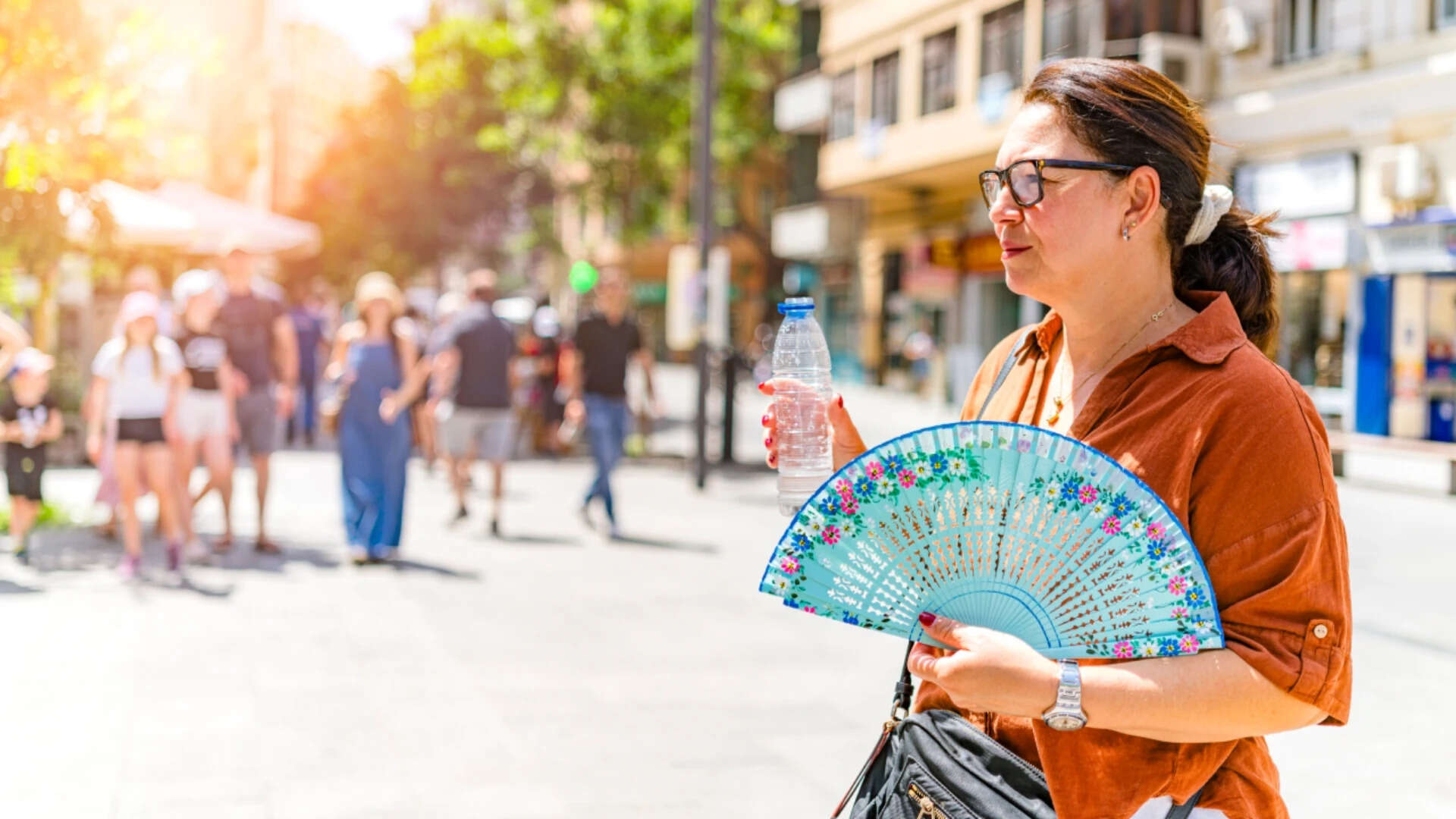
Standard public health warnings frame extreme heat as a matter of personal discomfort or situational inconvenience. This framing fails to capture the physiological reality. Extreme heat is an environmental assault on human thermodynamic balance. The human body functions as an open thermodynamic system that must maintain a core temperature within a narrow window around 37°C. When ambient conditions exceed specific thresholds, the mechanisms required to dissipate metabolic heat break down, resulting in systemic organ failure.
Managing heatwave risk requires moving past generic advice like "stay hydrated." It demands an understanding of the exact physiological limits of the human body, the environmental metrics that dictate survivability, and a structured protocol for mitigating thermal stress.
The Mathematical Framework of Human Heat Balance
To understand how heat injuries occur, the human body must be evaluated through the heat balance equation. The accumulation of body heat storage ($S$) is determined by the interaction between metabolic heat production and environmental heat exchange:
$$S = M \pm R \pm C \pm K - E$$
Where:
- $M$ is metabolic rate (heat generated by internal cellular activity and physical exertion).
- $R$ is radiant heat exchange (thermal energy absorbed from or emitted to surrounding surfaces, including the sun).
- $C$ is convective heat exchange (heat transferred between the skin and moving air).
- $K$ is conductive heat exchange (heat transferred via direct physical contact with solids).
- $E$ is evaporative heat loss (heat dissipated through the vaporization of sweat from the skin surface).
When the environmental temperature is lower than skin temperature (typically around 33°C to 35°C), the body sheds heat passively via radiation, conduction, and convection. Under these conditions, the terms $R$, $C$, and $K$ are negative, meaning heat leaves the body.
When ambient air temperature matches or exceeds skin temperature, the direction of these vectors reverses. The environment begins transferring heat into the body ($R, C, K > 0$). At this critical tipping point, evaporation ($E$) becomes the sole mechanism available for heat dissipation. If the evaporative capacity of the environment is compromised, $S$ becomes positive, and core body temperature rises linearly toward fatal thresholds.
The Wet-Bulb Temperature Bottleneck
Evaluating heatwave danger solely by ambient temperature (dry-bulb temperature) introduces dangerous blind spots. The true limiting factor of human survival in extreme heat is atmospheric humidity, which is quantified using wet-bulb temperature ($T_{wb}$). Wet-bulb temperature represents the lowest temperature a surface can reach through evaporative cooling alone.
The absolute upper limit of human tolerance is a sustained wet-bulb temperature of 35°C. At this exact threshold, the air is completely saturated with moisture (100% relative humidity) at a temperature of 35°C. Under these metrics, the vapor pressure gradient between the wet skin and the surrounding air drops to zero. Sweating occurs, but the sweat cannot evaporate. It simply drips off the body, draining electrolytes and fluids without providing any cooling effect.
Ambient Dry-Bulb Temp (°C)  |  Relative Humidity (%)  |  Wet-Bulb Temp (°C)  | Risk Level
----------------------------|-------------------------|----------------------|----------------------
35                          |  100                    |  35                  | Absolute Lethal Limit
40                          |  70                     |  35                  | Absolute Lethal Limit
45                          |  47                     |  35                  | Absolute Lethal Limit
38                          |  50                     |  29                  | Severe Exertional Risk
30                          |  80                     |  27                  | Moderate Risk
In operational environments, the threshold for danger is significantly lower than 35°C $T_{wb}$. For individuals performing moderate manual labor or those with underlying health vulnerabilities, cognitive and physiological degradation begins at a wet-bulb temperature of 29°C to 31°C.
Pathophysiology of Thermal Breakdown
The progression from thermal comfort to fatal heatstroke follows a predictable path of physiological failure. Understanding these stages allows for early intervention before irreversible cellular damage occurs.
Stage 1: Heat Exhaustion and Cardiovascular Strain
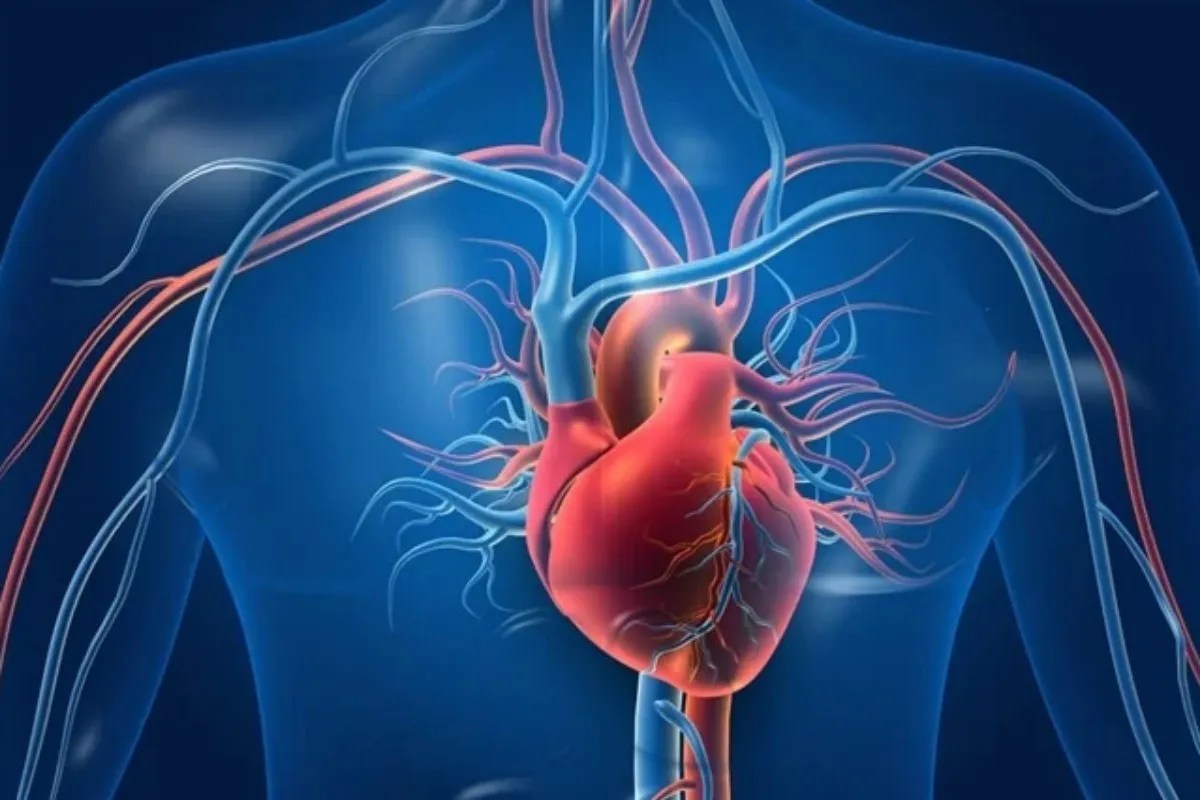
As core temperature climbs toward 38°C, the brain triggers a massive cardiovascular response. The sympathetic nervous system induces profound vasodilation in the skin, rerouting blood flow from the internal organs to the periphery to maximize convective and radiative cooling.
This creates an acute circulatory bottleneck. The heart must drastically increase cardiac output by elevating heart rate, as stroke volume decreases due to the shifting of blood to the skin. Simultaneously, prolonged sweating depletes plasma volume. The combination of reduced circulating blood volume and expanded vascular space causes a drop in blood pressure.
Symptoms at this stage include:
- Profuse sweating
- Orthostatic hypotension (dizziness upon standing)
- Tachycardia (elevated heart rate)
- Skeletal muscle cramping due to localized sodium loss
Stage 2: Heatstroke and Thermoregulatory Failure
When core body temperature crosses the critical threshold of 40°C, the condition transitions into a medical emergency: heatstroke. At this stage, the brain's thermoregulatory center in the hypothalamus fails completely. The body loses its ability to sweat, turning off the primary mechanism of heat mitigation.
Core Temp < 38°C          --> Normal to Mild Thermal Stress
Core Temp 38°C to 40°C    --> Heat Exhaustion (Cardiovascular Strain, Intact Sweating)
Core Temp > 40°C          --> Heatstroke (Hypothalamic Failure, Anhidrosis, Organ Damage)
Above 40°C, systemic cellular damage occurs via three primary pathways:
- Direct Thermal Cytotoxicity: Excess heat denatures structural proteins and enzymes within cells, disrupting cellular metabolism and leading to widespread necrosis.
- Splat-Induced Endotoxemia: The prolonged diversion of blood away from the gastrointestinal tract causes ischemia in the gut lining. The cellular junctions of the intestinal wall degrade, allowing endotoxins (lipopolysaccharides from gut bacteria) to leak into the bloodstream. This triggers a systemic inflammatory response syndrome similar to sepsis.
- Disseminated Intravascular Coagulation (DIC): The combination of direct heat damage to vascular endothelial cells and systemic inflammation triggers microscopic blood clots throughout the circulatory system. This exhausts the body's clotting factors, causing simultaneous internal bleeding and organ infarction.
The central nervous system is highly sensitive to these changes. Neurological symptoms range from confusion, delirium, and ataxia to seizures and irreversible coma.
The Operational Hierarchy of Heat Mitigation
Mitigating heatwave risk requires systematic adjustments across three domains: fluid kinetics, micro-climate modification, and biological acclimatization.
1. Quantitative Hydration and Fluid Kinetics
Replacing lost fluids requires a structured approach to maintain osmotic balance. Sweating during extreme thermal stress can exceed rates of 1.5 to 2.0 liters per hour.
Drinking pure water in these quantities is counterproductive. Sweat is hypotonic but contains significant amounts of sodium (roughly 20 to 50 mEq/L). Consuming large volumes of plain water without solute replacement dilutes the extracellular fluid, leading to acute hyponatremia. This condition causes intracellular shifting of water, resulting in cerebral edema, seizures, and death.
To maintain proper fluid balance:
- Osmotic Matching: In conditions of high thermal stress, fluids should contain 450 to 700 mg of sodium per liter, alongside small amounts of carbohydrates (1% to 2% solution) to accelerate gastric emptying and intestinal absorption via sodium-glucose cotransporters.
- Volumetric Limits: The human gastrointestinal tract has a maximum gastric emptying rate of approximately 1.0 to 1.2 liters of fluid per hour. Consuming fluid beyond this rate results in gastrointestinal distress and fluid accumulation in the stomach without improving systemic hydration status.
2. Engineering the Micro-Climate
When environmental wet-bulb temperatures threaten survival, behavioral modifications must be supported by active environmental control.
Air conditioning does not simply lower dry-bulb temperature; its primary utility in humid environments is dehumidification. Lowering the ambient vapor pressure restores the efficiency of human sweat evaporation. Electric fans, while useful in moderate heat, become hazardous when ambient dry-bulb temperatures exceed 37°C. When the air temperature is hotter than the skin, blowing air across the body accelerates convective heat gain, heating the body faster, much like a convection oven.
Active cooling protocols for individuals showing signs of thermal distress must rely on conductive and evaporative mechanisms:
- Whole-Body Ice Water Immersion: This is the most effective treatment for heatstroke. Water has a thermal conductivity approximately 24 times greater than air. Submerging a patient in ice water maximizes conductive heat transfer out of the core, lowering core body temperature by up to 0.2°C per minute.
- Evaporative Mist and Forced Air: If immersion is unavailable, stripping the individual, spraying them with lukewarm water, and directing high-velocity fans across the skin mimics highly accelerated sweat evaporation.
3. Biological Acclimatization Kinetics
The human body possesses a highly effective mechanism for altering its own thermodynamic efficiency through heat acclimatization. This biological adaptation requires structured, daily exposure to heat combined with exercise for 1 to 2 hours over a period of 7 to 14 days.
The physiological adaptations that occur during this window follow a strict timeline:
- Days 1–3: Plasma volume expansion begins. The body retains sodium and water, increasing total blood volume by 10% to 15%. This provides the cardiovascular system with the fluid volume necessary to maintain cardiac output while simultaneously directing blood to the skin.
- Days 4–7: The sweating threshold shifts. The hypothalamus triggers sweating at a lower core body temperature, initiating evaporative cooling earlier in the exposure window. The sweat rate increases, and the distribution of sweat glands becomes more uniform across the torso and limbs.
- Days 8–14: The composition of sweat alters. The sweat glands become highly efficient at reabsorbing sodium, reducing electrolyte concentrations in sweat by up to 50%. This modification protects the individual from hyponatremia and cardiovascular collapse during prolonged exposure.
Systemic Vulnerability Matrix
The risk of thermal failure is not uniform across a population. Internal physiological variables alter an individual's heat balance equation, reducing their tolerance thresholds well below standard metrics.
Age-Related Thermoregulatory Decay
Infants and young children possess a high surface-area-to-mass ratio. This causes them to absorb environmental heat much faster than adults when ambient temperatures exceed skin temperature. Furthermore, their absolute sweating capacity is limited by underdeveloped sweat gland outputs.
Older adults experience a progressive decline in cardiovascular reserve. The aging cardiovascular system cannot easily sustain the high heart rates and cardiac output required to drive peripheral vasodilation. Additionally, older individuals exhibit a blunted thirst perception, which delays voluntary hydration, alongside a structural reduction in the density and output of active sweat glands.
Pharmacological Bottlenecks
Many common medications directly interfere with the body's cooling mechanisms:
- Beta-Blockers: These medications cap the maximum heart rate, preventing the cardiac output elevations necessary to shunt heat to the skin.
- Diuretics: By forcing the excretion of water and sodium to manage blood pressure, these drugs deplete plasma volume in advance, accelerating cardiovascular collapse under thermal stress.
- Anticholinergics and Antihistamines: These agents inhibit acetylcholine, the primary neurotransmitter responsible for stimulating sweat glands, causing a partial or total lack of sweating.
Long-Term Strategic Planning
As the frequency and intensity of extreme thermal events increase, reliance on reactive emergency medical responses will yield diminishing returns. Sustainable risk management requires shifting toward proactive structural design and localized climate adaptation.
Urban infrastructure must be re-engineered to counteract the urban heat island effect, where asphalt and concrete act as thermal batteries, storing radiant heat during the day and releasing it throughout the night. Replacing standard roofing materials with high-albedo, retroreflective surfaces prevents solar radiation from entering the urban micro-climate. Simultaneously, the strategic integration of urban green spaces and shaded transit corridors reduces ambient dry-bulb temperatures through natural shading and plant-driven evapotranspiration.
From an institutional perspective, occupational and civic schedules must adapt to the physical constraints of the wet-bulb globe temperature. This involves shifting physical labor, public events, and high-exertion activities exclusively to early morning hours when environmental heat storage demands are at their lowest. Municipalities must establish decentralized, self-powered cooling centers equipped with dedicated dehumidification systems to provide vulnerable populations with temporary access to manageable vapor pressure environments. This protects systemic cardiovascular health and prevents widespread thermoregulatory collapse.