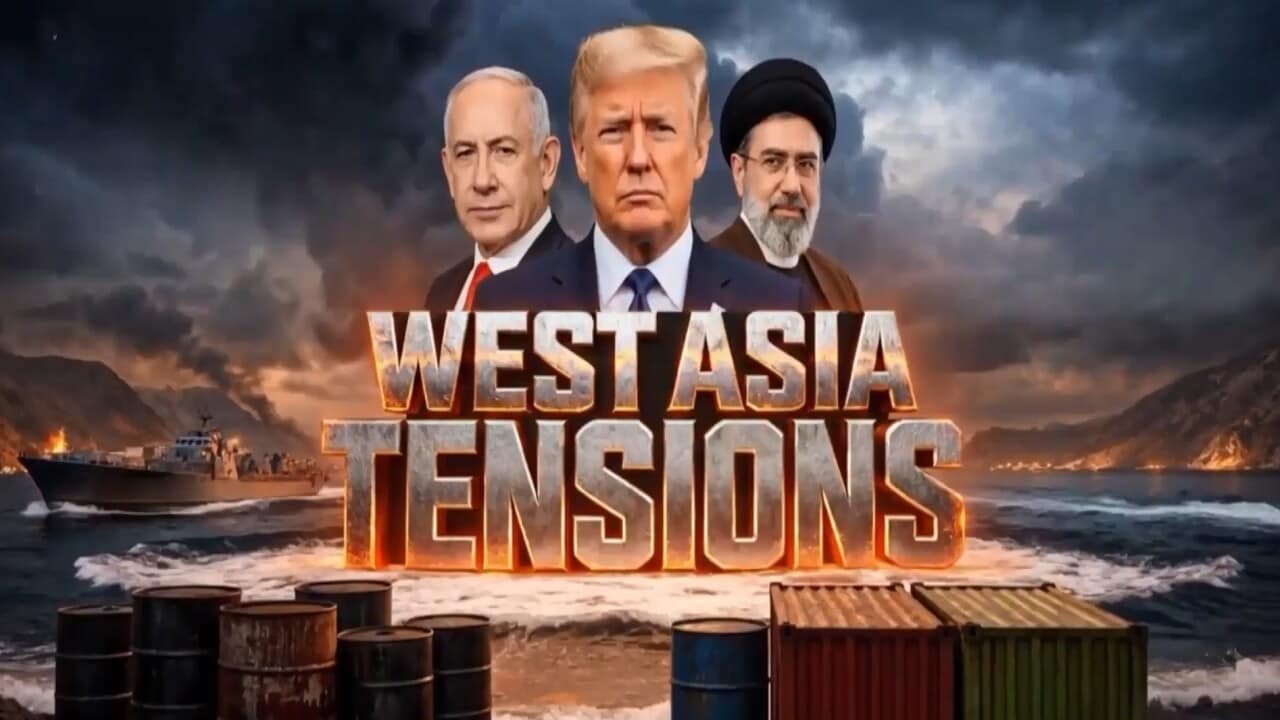
The traditional foreign policy establishment is comforting itself with a bedtime story. The narrative, pushed by seasoned career diplomats like KP Fabian, goes like this: Donald Trump is backed into a corner in West Asia. He faces depleted air defense stockpiles, an exhausted military, and an economy vulnerable to a closed Strait of Hormuz. Therefore, the conventional wisdom insists, Washington has no option but to pursue genuine diplomacy with Tehran.
This analysis is not just wrong; it fundamentally misunderstands the mechanics of modern leverage.
Believing that structural vulnerabilities force a populist superpower into a good-faith compromise is the classic trap of traditional statecraft. I have watched institutional think tanks blow millions of dollars publishing white papers that mistake temporary logistical constraints for strategic straightjackets. The reality of the current crisis is far more cynical. What the establishment labels as a desperate push for peace is actually a masterclass in tactical stalling. Washington is treating negotiation not as an alternative to conflict, but as a mechanism to manage it.
The Myth of the Cornered President
The core argument of the diplomatic consensus relies on a ledger of military and economic liabilities. Analysts point out that replenishing advanced missile interception systems takes years. They note that the regional threat to water desalination plants and oil infrastructure in the Gulf creates an unacceptable threshold of pain for the global economy.
This materialist view misses the political reality of the White House.
A populist executive does not operate on the long-term, calculated risk-reward ratios taught at elite diplomatic academies. For Trump, the appearance of dominant motion matters infinitely more than structural perfection. The administration is not negotiating because its hands are tied; it is negotiating because talking costs nothing while keeping adversaries frozen in place.
By sending envoys like Jared Kushner and Steve Witkoff to manage backchannel discussions, Washington achieves three critical objectives that have nothing to do with signing a lasting treaty:
- Strategic Disorientation: It keeps Tehran guessing whether the next move is a sanctions waiver or a drone strike, preventing the regime from solidifying a permanent defensive posture.
- Domestic Political Coverage: It fulfills a campaign promise of avoiding protracted foreign quagmires, satisfying the domestic isolationist base while maintaining maximum pressure.
- Coalition Management: It provides regional allies like Israel and international interlocutors the illusion of a diplomatic off-ramp, buying time to realign regional defensive assets.
Dismantling the Illusion of a Better Deal
The establishment insists that skilled diplomats can find creative language to give Trump a "better deal" than the 2015 Joint Comprehensive Plan of Action (JCPOA). They suggest down-blending Iran’s 60% enriched uranium stockpile or transferring it to a third country like Russia to secure a political victory.
This premise is completely flawed. It assumes both sides are looking for a structural resolution.
The institutional elite fail to grasp that the goal of the current administration is not to fix the flaws of the JCPOA. The goal is to project the total capitulation of the adversary.
Iran, operating on a deep-seated cultural and historical aversion to Western dictation, will never formally yield its right to enrich uranium under the Non-Proliferation Treaty. Conversely, Washington cannot accept any agreement that leaves Iran’s regional missile architecture and proxy network intact. When Marco Rubio explicitly states that diplomacy is merely a temporary option before pivoting to devastating alternatives, he is telegraphing the true nature of the strategy. The parameters being demanded—total denuclearization mixed with a dismantling of regional influence—are intentionally designed to be unacceptable to Tehran.
When negotiations are configured to fail, they are no longer diplomacy. They are an opening salvo.
The High Cost of the Conventional Approach
There is an inherent danger in my contrarian view: treating diplomacy as a theater of illusion increases the risk of a catastrophic miscalculation. If Tehran realizes the talks are a containment strategy rather than a genuine negotiation, its incentive to remain within the boundaries of international oversight vanishes. The regime could decide that the only real security lies in accelerating a covert push toward a deliverable weapon, forcing the very conflict the talks supposedly aim to avoid.
Yet, ignoring this tactical reality in favor of a naive belief in institutional diplomacy is far more dangerous. The establishment’s insistence that Trump has "no option" but to negotiate blinds regional actors to the immediate threat of sudden escalation.
We saw this dynamic play out vividly when the administration engaged in marathon sessions in Islamabad or backchannel talks via Oman. While commentators were busy praising the "progress" of mediation, the reality on the ground was a tightening blockade and unilateral actions that pushed the region closer to the brink.
Stop analyzing the West Asia crisis through the lens of traditional 20th-century statecraft. The United States is not trapped by its logistical limitations, nor is it bound by the traditional rules of international consensus. The diplomatic track isn't an exit ramp. It is the smokescreen.