Water has weight. You do not realize this until you carry it on your back down a steep, shale-strewn switchback under an indifferent Arizona sun.
Down in the depths of the Grand Canyon, where the rock walls change color from cream to blood-red as the hours burn away, water is not a utility. It is an act of grace. It is the difference between a journey of wonder and a quiet, terrifying dehydration panic in the shadow of a mile-high precipice.
For decades, millions of visitors have walked the Bright Angel Trail or stood in awe at Phantom Ranch, turning on a faucet without a second thought. They never wondered where it came from. Why should they? Magic, or so it seemed, brought cold, clear water across the abyss.
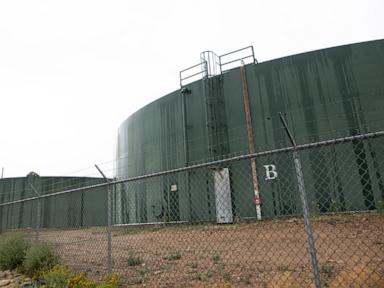
That magic runs through a pipe. A metal artery, buried deep, spanning 12.5 miles across the canyon floor, climbing cliffs, and crossing the roaring Colorado River via a silver suspension bridge.
Then came the flash flood.
The Sound Before the Break
To understand what happened to the Trans-Canyon Waterline, you have to understand monsoon season in the desert.
The sky turns an bruised purple in a matter of minutes. Up on the North Rim, rain falls not in drops, but in sheets, turning dry washes into violent brown batter. This water has nowhere to absorb into the baked, stubborn earth. It rushes downward. It gathers momentum. It picks up boulders, pine trees, and cars if they are in the way, channeling everything into the narrow, ancient gasps of the side canyons.
Imagine standing inside a concrete storm drain while an entire freight train derails directly above you. The vibration hits your teeth first. Then comes the roar.
When a wall of water tore through Roaring Springs and Indian Garden, it did not merely flow over the pipeline. It weaponized the gravel, the rocks, the very earth itself, turning the streambed into a giant, churning rock tumbler. The steel pipe, engineered to endure the harsh extremes of the desert, stood no chance against thousands of tons of abrasive debris rolling down the canyon in a blind fury.
It sheared.
Suddenly, millions of gallons of water meant for the inner gorge had nowhere to go. And thousands of people miles away from civilization were about to face a very modern crisis in a very ancient place.
The Invisible Stakes
Park rangers woke up to dry taps.
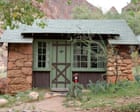
Think about what that means for a subterranean village like Phantom Ranch, sitting at the bottom of the canyon. There is no municipal grid to tap into down there. There are no fire hydrants connected to a distant city reservoir. Every drop of water used for drinking, cooking, keeping toilets operational, and fighting fires depends entirely on that single, vulnerable ribbon of aluminum and steel.
When the break occurred, the park service had to pivot immediately to emergency protocols. Helicopters became the lifeblood of the canyon, buzzing back and forth like desperate dragonflies, hauling heavy bladders of water from the rim down to the floor just to keep the basic operations afloat.
Hikers were warned. Turn around. Carry your own weight. Conserve.
It is easy to look at a national park as an immortal monument. We carve our vacation memories into its sandstone, assuming the backdrop is permanent and invincible. But the infrastructure keeping us safe is remarkably fragile. It is maintained by a handful of dedicated tradespeople who hike miles into the canyon with tools strapped to their backs, sweating through triple-digit heat to bolt a broken world back together.
They are the ghosts in the machine. The ones we never thank until the water stops flowing.
Repairing the Abyss
Fixing a pipeline in the middle of a national park is not a project you can solve with a fleet of heavy excavators. You cannot simply pave a road down to the rupture.
Every piece of heavy equipment has to be flown in by helicopter, dangling from a cable against the towering canyon walls, piloted by men and women flying by the seat of their pants in swirling canyon winds. Crews worked for weeks in the stifling heat of the inner gorge, sweating through their clothes before they even reached the work site. They had to cut away the mangled sections of the old line, secure new anchors into sheer rock faces where mountain goats fear to tread, and weld new metal together while the memory of the flood still echoed in the dry creek beds above.
It is a humbling reminder of our place on this earth. We build our engineering marvels across geological fault lines and through flash-flood alleys, daring nature to knock them down. And every now and then, nature accepts the dare.
The pipeline has been patched before. It will likely be tested again. Climate shifts bring heavier, more unpredictable storms, turning once-rare flash floods into recurring summer nightmares for the park service.
Yet, as the water begins to flow again through the dark, twisting metal tubes toward the bottom of the canyon, something fundamental returns to balance.
The faucets at Phantom Ranch drip cold once more. The mule trains carry their riders down the switchbacks. The sun dips below the canyon rim, painting the upper peaks in shades of fire and gold, indifferent to the human sweat and steel required to keep us alive in its vast and beautiful emptiness.