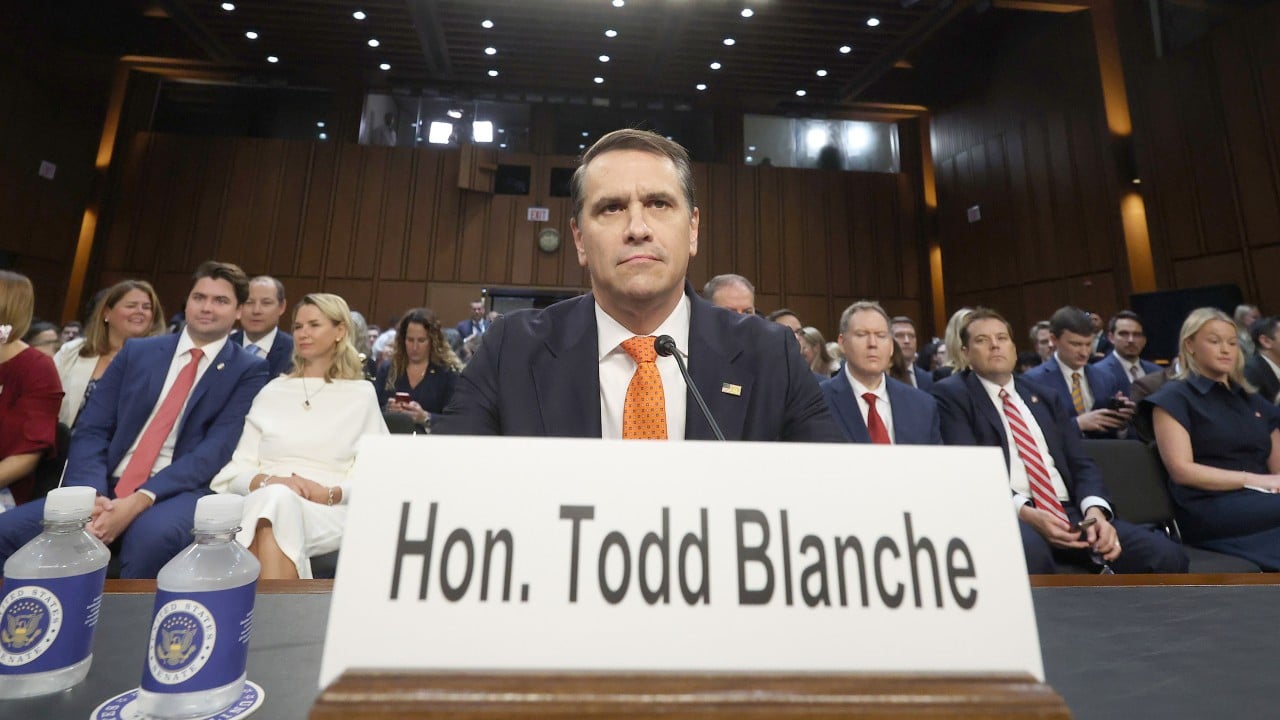
When Donald Trump publicly slammed D.C. U.S. Attorney Jeanine Pirro for dropping a high-profile vandalism case, Washington insiders expected a swift firing. Instead, Acting Attorney General Todd Blanche stepped into the media crossfire, trying to soothe an angry president while shielding a key prosecutor. It is a messy balancing act that exposes the raw friction between political expectations and prosecutorial discretion.
If you think political loyalty in Washington always runs smoothly, this episode shatters that illusion. The legal showdown started when Pirro's office moved to dismiss felony charges against former Olympian David Hearn. Hearn had been accused of damaging the Lincoln Memorial's newly renovated Reflecting Pool.
However, Interior Department evidence revealed a different reality. The actual damage stemmed from botched contractor work and a rushed timeline ahead of the America 250 celebrations, rather than intentional sabotage by a citizen.
Trump didn't want to hear it. He openly complained that Pirro "folded like an umbrella" and claimed she "choked" under pressure.
Navigating the President's Anger
Blanche didn't pretend the friction didn't exist. Appearing on national media programs, he acknowledged that Trump had every right to feel furious about vandalism targeting national monuments. At the same time, Blanche drew a hard line protecting Pirro's broader record.
"Judging her on a single case because of the evidence that we had is not fair," Blanche noted.
That nuance matters. Blanche walked right up to the edge of executive authority, reminding critics of a blunt constitutional truth. When pressed about whether Trump might axe the defiant U.S. attorney, Blanche offered a stark reality check: if the president wants to fire a U.S. attorney, he is fully allowed to do so.
The Real Problem With Monument Vandalism
Beneath the political drama lies a genuine crisis concerning public spaces in the nation's capital. While the Lincoln Memorial Reflecting Pool case collapsed due to faulty construction evidence, other incidents involved verified, malicious destruction.
Just weeks prior, authorities had to tackle a severe attack at the World War II Memorial, where red graffiti marred the site and a bubbling substance clogged the Rainbow Pool. Pirro's office secured felony charges in that instance, carrying penalties of up to ten years behind bars.
Blanche pointed to those aggressive prosecutions to argue that the D.C. office is fundamentally cleaning up the city. Disagreements over a single piece of evidence or a dropped indictment do not negate an entire office's output.
What This Means for Justice Department Independence
The episode highlights an ongoing tension that executive branch officials hate talking about publicly. Prosecutors are supposed to follow the facts and the evidence wherever they lead, even if those facts contradict a narrative pushed by the White House.
When a U.S. attorney exercises that independence, friction follows. Blanche's strategy is to validate the president's emotional reaction to damaged monuments while insulating the Department of Justice from accusations of folding under improper pressure.
Whether this fragile peace holds depends entirely on future high-profile cases in the district. If more indictments unravel under scrutiny, the pressure on both Blanche and Pirro will mount exponentially. For now, the administration is choosing to absorb the public disagreement and move forward.
Watch Blanche defends Trump and Pirro over Reflecting Pool case to see the acting attorney general address the tensions directly.
http://googleusercontent.com/youtube_content/1