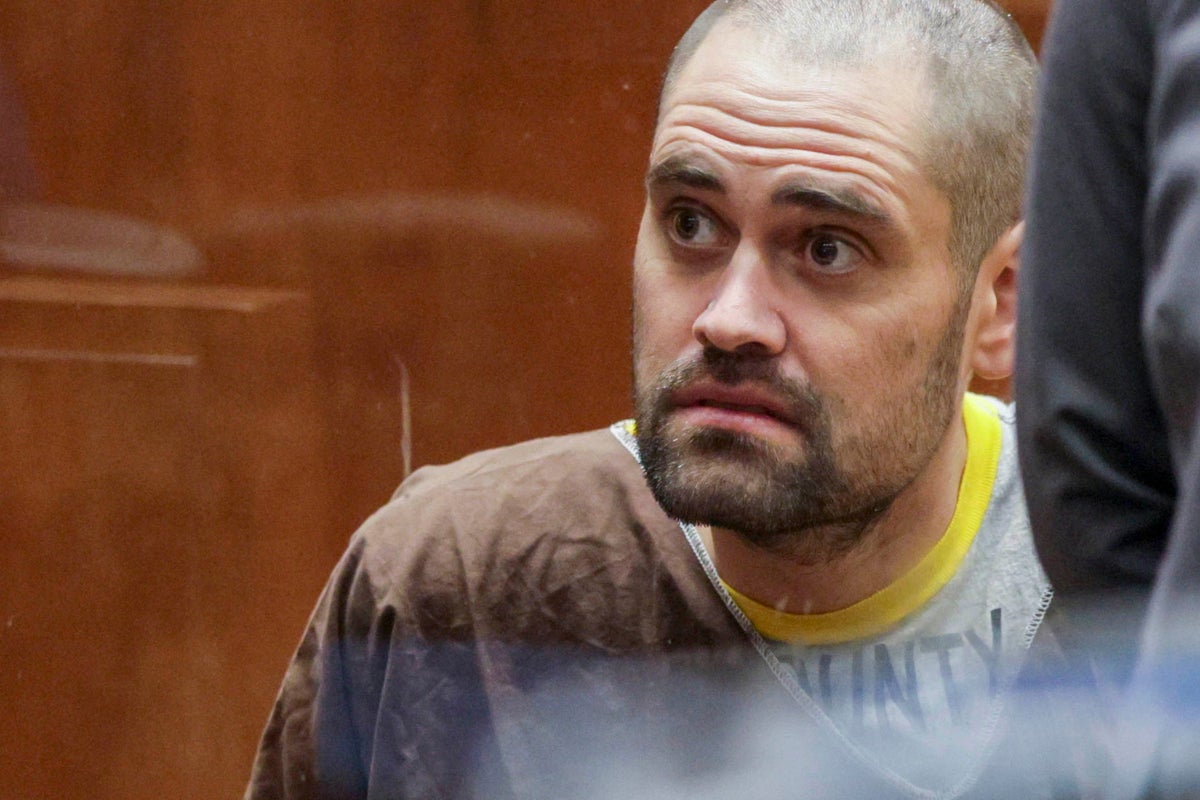
The true crime genre thrives on a fundamental deception. When a high-profile case hits the headlines—such as the recent indictments surrounding violent family tragedies—the immediate reaction from digital media is a predictable feeding frenzy. Pointers are thrown, psychological profiles are manufactured overnight by armchair detectives, and millions treat real-world suffering as an interactive streaming series.
Stop pretending this is about public interest or awareness. It is a structured exploitation of human trauma, packaged for algorithmic consumption.
The Illusion of Access
Every time a sensational indictment drops, media outlets rush to provide minute-by-minute breakdowns. They claim they are keeping the public informed. They are not. They are feeding a demand for morbid entertainment under the guise of journalism.
Consider the mechanics of how these stories are framed. The narrative invariably pivots toward sensationalizing the mechanics of the crime while completely stripping away the systemic failures that often precede such disasters. True crime media loves a simple villain because a simple villain is easy to monetize.
Mental health crises do not happen in a vacuum. Yet, digital commentary prefers to paint perpetrators as cartoonish monsters rather than examining the institutional blind spots, family dynamics, and neglected warning signs that allow pressure to build until an explosion occurs.
Dismantling the True Crime Ecosystem
The industry operates on a dark feedback loop.
- Sensationalized Indictments: Headlines amplify gruesome details before facts are tested in court.
- Algorithmic Amplification: Social media platforms reward engagement, meaning the most extreme theories get the most reach.
- Commercialization of Grief: True crime podcasts, YouTube deep-dives, and clickbait articles monetize the absolute worst moments of people's lives.
When we consume these stories as entertainment, we normalize voyeurism. We turn real victims and perpetrators into characters in a scripted drama.
The Cost of Manufactured Intrigue
I have watched digital publishing networks pivot entirely toward trauma-porn because the metrics demand it. Educational content about psychological support systems gets thousands of views; a speculative breakdown of a violent crime gets millions.
This creates a perverse incentive structure. The more horrific the act, the greater the reward for the platforms covering it.
We need to change how we engage with tragedy. Stop clicking the speculative deep-dives. Stop sharing unverified indictment leaks. Demand actual accountability from media networks instead of consuming the circus they manufacture every time a family falls apart.
The real story isn't the macabre details of how the event unfolded. The real story is our collective addiction to watching human beings break down for our afternoon entertainment.


