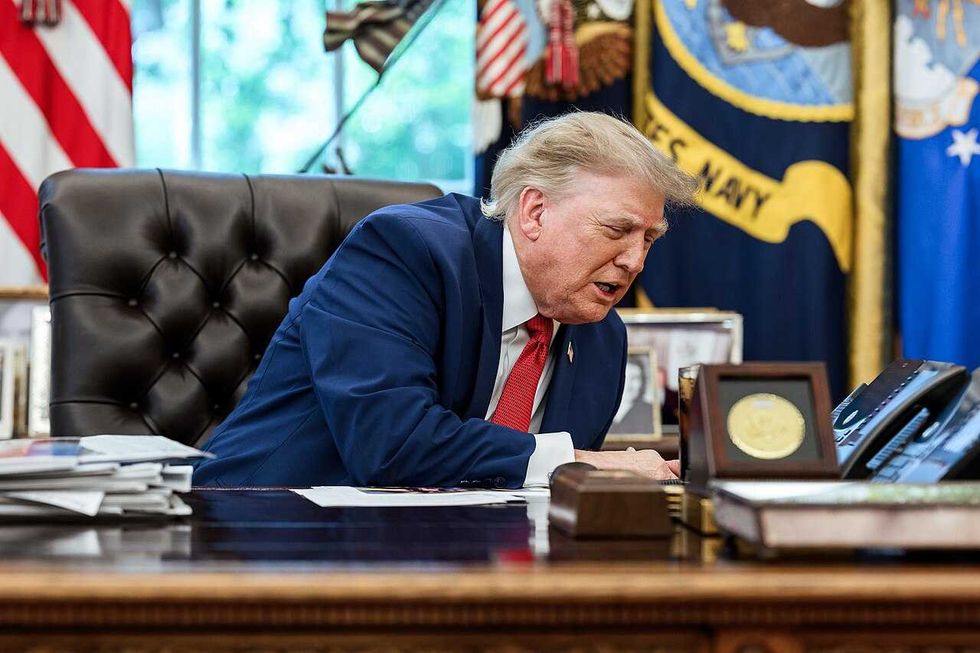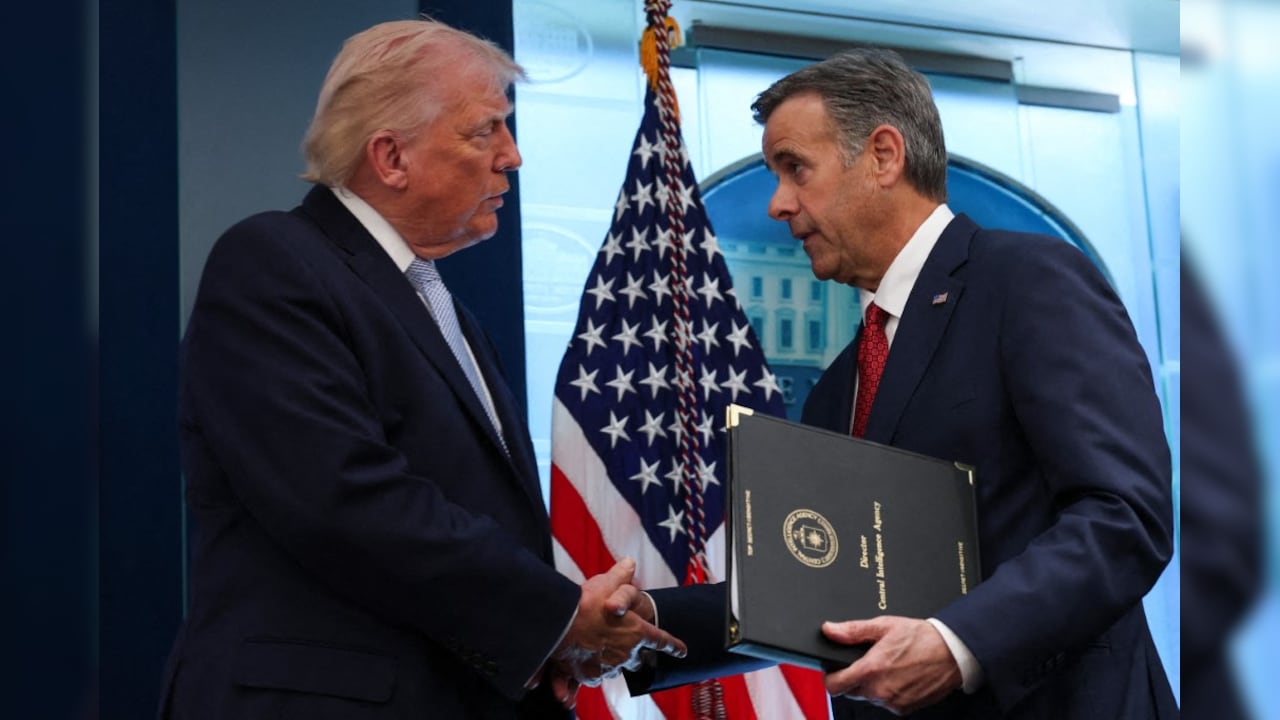
When a sitting American spy chief flies directly into Moscow for the first time since the full-scale war broke out, people notice. Donald Trump is trying to downplay the whole thing. During a radio interview with Glenn Beck, the president brushed off CIA Director John Ratcliffe's unannounced trip to Russia as "sort of semi-routine".
Of course, nothing involving the Kremlin and the CIA right now is normal. For a different view, check out: this related article.
Rumors immediately took over the internet. People wondered if Ratcliffe was delivering strict warnings about NATO boundaries, negotiating over stubborn Iran sanctions, or managing sudden military threats. Trump shot those theories down fast. He stated plainly that it was none of those things. Instead, the real focus remains fixed on the grinding conflict in Ukraine and the constant pressure to find an off-ramp.
Inside the Moscow Meetings
The logistics alone caught aviation watchers off guard. A U.S. military C-17A Globemaster III transport aircraft parked right at a Moscow airport, triggering immediate emergency speculation across intelligence circles. Similar analysis on the subject has been shared by TIME.
The Kremlin quickly verified that Ratcliffe held direct talks with Russian intelligence officials. Russian President Vladimir Putin did not sit down with the CIA director face-to-face, but Kremlin spokesperson Dmitry Peskov confirmed that Putin received a full briefing on the exchange.
Trump insists that both Moscow and Kyiv are exhausted and ready to deal. "Something may come out of it," Trump told Beck, pointing to active efforts behind the scenes to push both nations toward a settlement.
The View From Kyiv
While Washington and Moscow exchange intelligence notes, officials in Ukraine are watching closely—and waiting. Reports indicate that Ukrainian leadership expected a direct debriefing following Ratcliffe's departure, though information has trickled out slowly.
Keeping communication lines open between rival spy agencies used to be standard Cold War behavior. Today, it represents a fragile lifeline. Whether these back-channel security contacts actually translate into meaningful peace momentum or turn out to be another dead end depends entirely on what concessions either side is willing to put on the table next.