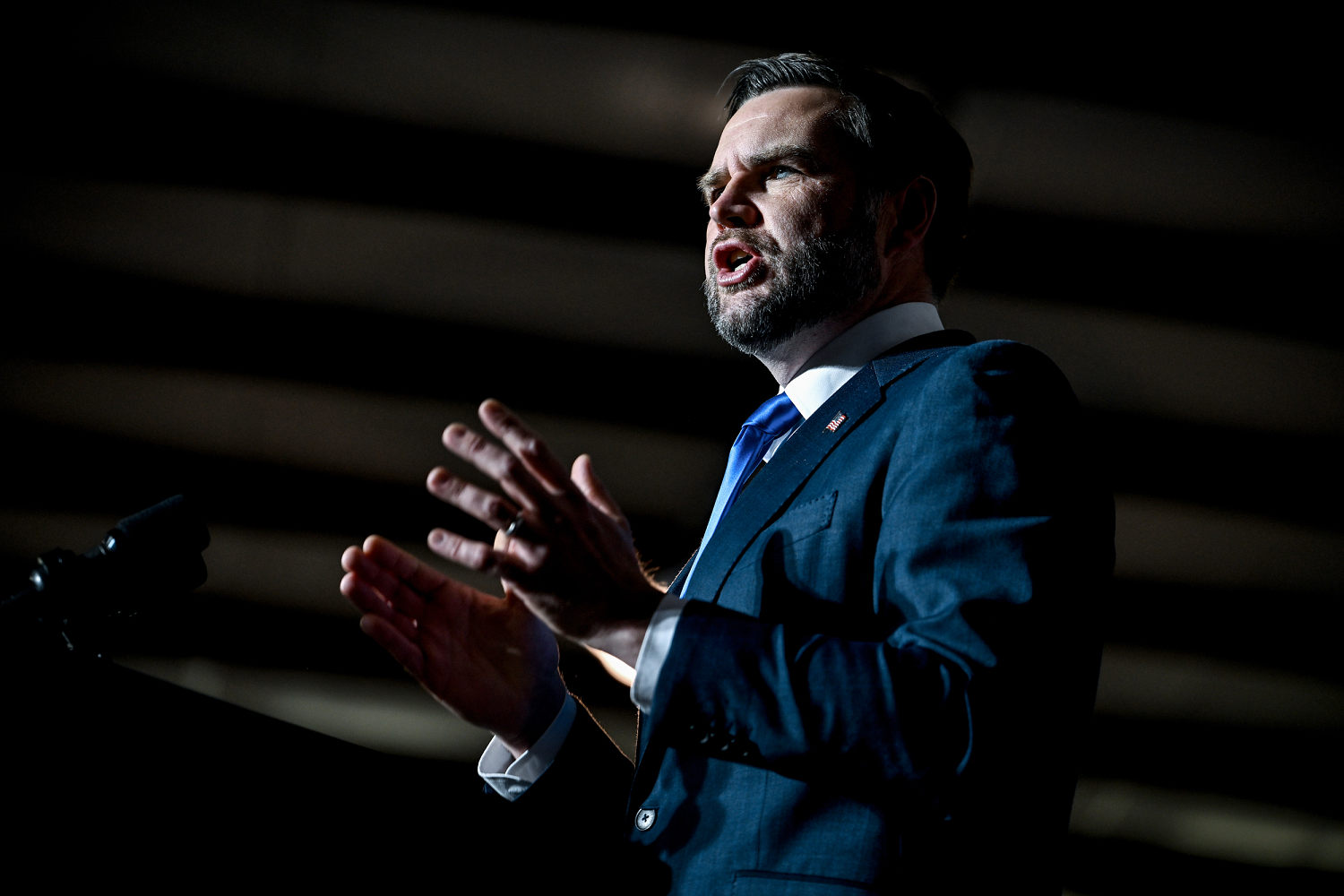
Political rallies rarely stick to the script. But when Donald Trump took the stage in Park City, Kansas, to stump for Republican Senator Roger Marshall, things took a sharp and offensive turn. Instead of keeping the focus strictly on the midterm grind, Trump decided to push back against local reporting regarding Marshall's aggressive medical debt lawsuits—and revived a centuries-old antisemitic slur in the process.
If you missed the speech, the core controversy centers on how Trump tried to frame the senator's legal record. Marshall, a physician before entering politics, faced heavy scrutiny for suing patients over unpaid medical bills, with debts sometimes totaling as little as one hundred dollars. Critics pointed out that hounding sick people for minor medical bills contradicts basic populist messaging. Trump's response? He claimed Marshall was actually "mandated by law" to go after patients and complained that the press had painted the senator as a "Shylock-type guy".
That word choice immediately lit up political circles. It is not an idle descriptor. The term originates from Shakespeare's The Merchant of Venice, referring to a predatory Jewish money lender. For generations, civil rights groups and historians have flagged it as a harmful trope reinforcing toxic stereotypes about Jewish people and finances. Using it on a national campaign stage is a glaring misstep, yet it feels entirely part of an unscripted pattern.
The Repeat Offense Problem
What makes this particular moment worse isn't just the slip of the tongue. It is the repeat factor.
Back in July 2025 during an Iowa rally, Trump dropped the exact same term while discussing banking legislation. When reporters confronted him about its historical baggage back then, he claimed ignorance, stating he had never heard it used that way. Fast forward to late 2026, and the excuse of total oblivion wears exceptionally thin. Even during the Kansas speech itself, Trump seemed to catch himself mid-thought, muttering, "So I don't know if I should be saying it, but that's the way it is".
When a speaker acknowledges a word might be taboo right before saying it anyway, the defense of accidental ignorance evaporates.
Examining the Claims Behind the Defense
Trump's attempt to shield Marshall relied on a heavy dose of creative legal interpretation. He told the Kansas crowd that the senator had no choice, asserting that federal mandates forced medical providers and their legal representatives to aggressively pursue unpaid balances under threat of criminal charges.
Local fact-checkers and legal experts swiftly debunked that narrative. State interest rate caps and standard debt collection practices do not legally compel a medical practice or a politician to haul struggling patients into court or seek extreme collection measures. Marshall chose a hardline approach to debt collection, and voters have taken notice. With Democratic challenger Adam Hamilton—a local pastor—pressing the issue hard on the campaign trail, Marshall's past medical debt litigation turned a safe red seat into a surprisingly tight race.
Instead of neutralizing the political damage, Trump's rally performance threw gasoline on an already burning fire. Media outlets pivoted away from standard stump-speech talking points and focused squarely on the language used to defend the incumbent.
What This Means for the Campaign Trail
Elections at this level are won on discipline. When high-profile surrogates step up to defend vulnerable candidates, campaigns need clean messaging that reassures undecided voters. Dropping offensive tropes gives opponents an easy opening to frame the entire ticket as out of touch.
Political gravity is unforgiving. As campaigns enter their final stretches, every gaffe forces candidates to spend valuable days cleaning up messes instead of talking policy. Marshall wanted a simple rally boost to lock down his base. Instead, he got an unwanted history lesson in Shakespearean slurs and a fresh round of scrutiny he didn't need.
Watch the speech coverage on YouTube
This video provides a look at the broadcast coverage and public reaction following the remarks made during the Kansas midterm campaign rally.