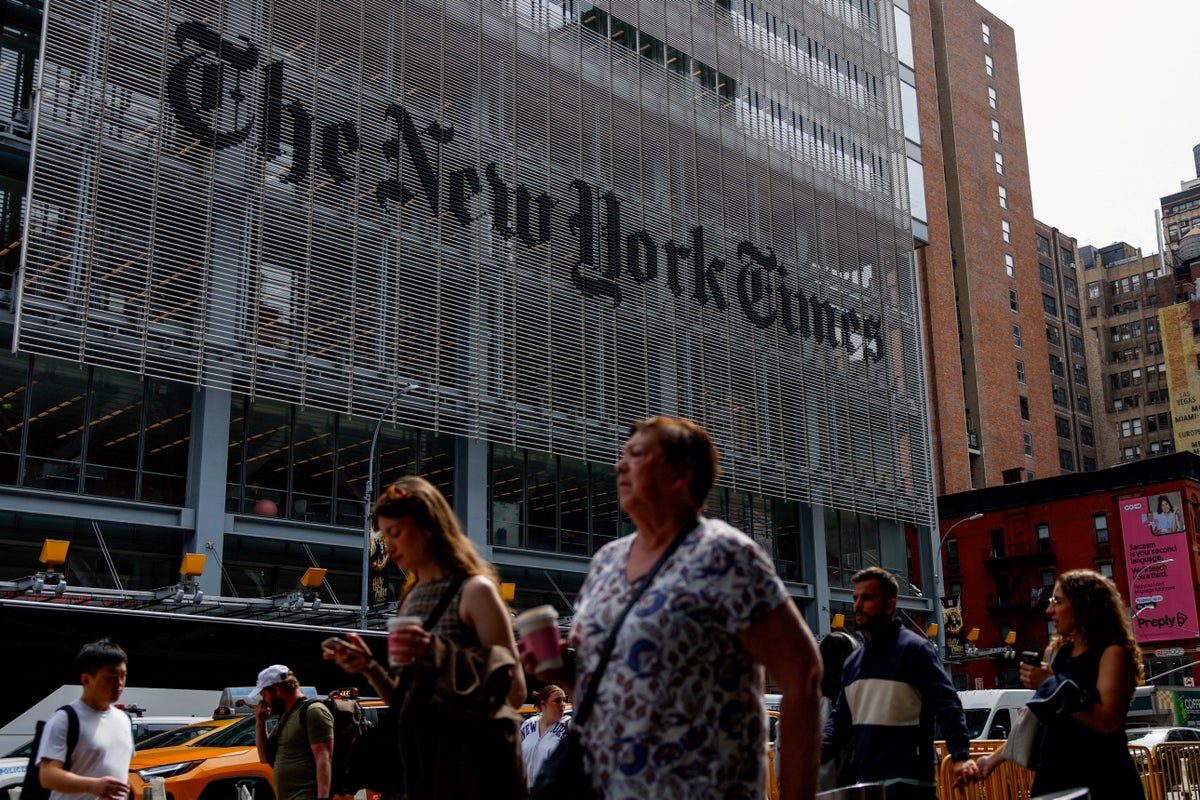
Federal prosecutors want names. They want notes. They want every single contact a journalist relied on to expose a botched military raid.
If you've been following the clash between the White House and the press, you know the stakes couldn't be higher. The Justice Department recently targeted freelance reporter Matthew Cole with a secret subpoena. They demanded over two years of his professional records. Why? Because he co-wrote a 2025 story for the New York Times detailing how Navy SEALs killed unarmed North Koreans during a 2019 surveillance mission.
This isn't an isolated incident. It's part of a systematic campaign by the Trump administration to hunt down government sources and punish unauthorized disclosures. Let's break down what's actually happening behind closed doors and why it changes the rules of national security reporting.
The Anatomy of the Subpoena
Federal prosecutors in Virginia didn't send a polite email. FBI agents walked straight to Cole's home in New York to deliver the demand. They wanted his testimony and two years' worth of communications.
The government tried to keep the entire operation quiet. When Cole and the New York Times chose to make it public, they drew a hard line in the sand. Charlie Stadtlander, a spokesperson for the paper, didn't mince words. He called the demand a brazen attack designed to block the public from knowing vital truths.
The administration insists they aren't targeting journalists. They claim they're hunting the leakers. But when you force a reporter to hand over years of confidential contacts, the practical effect is identical. Sources dry up. Whistleblowers go silent. Investigative reporting grinds to a halt.
A Growing Pattern of Press Crackdowns
You have to look at the broader picture to understand the aggression. This subpoena is just one piece of a much larger puzzle involving multiple media outlets.
Earlier this year, the Justice Department went after Wall Street Journal reporters looking into internal debates over a potential conflict with Iran. Investigators also targeted Washington Post journalists over national security coverage. Last month, New York Times reporters faced subpoenas tied to reporting on a Qatari-gifted aircraft given to Trump.
Those specific Qatari jet subpoenas didn't survive judicial scrutiny. U.S. District Judge Arun Subramanian sharply rebuked government attorneys during a heated hearing. He accused them of turning legal standards upside down. He reminded the courtroom that subpoenas are supposed to be the absolute last resort after every other investigative avenue has failed, not the first tool pulled from the drawer.
The government ultimately withdrew those specific orders. Yet, the retreat was temporary. The DOJ continues to test boundaries, finding new ways to pressure reporters.
The Policy Shift That Made This Possible
How did we get here so fast? Look back at April 2025. Then-Attorney General Pam Bondi rescinded a protective policy put in place by the Biden administration.
That older policy shielded journalists from having their phone records and communications secretly seized during leak investigations. Press freedom groups praised those safeguards for years. When Bondi reversed the rule, she handed federal prosecutors the keys to use subpoenas, warrants, and court orders against journalists once again.
While Bondi's memo suggested that reporters should get advance notice and that warrants should be narrowly drawn, the reality on the ground feels entirely different. Agents showing up at a reporter's doorstep creates an immediate chilling effect.
What This Means for the Future of Investigative Journalism
If you're a whistleblower with explosive proof of government corruption or military misconduct, your calculus just changed. Why risk federal prison or the wrath of a hostile administration if reporters can't guarantee protection?
The New York Times is currently footing the legal bills for Cole's defense, and his attorney, David A. O'Neil, has made it clear that his client will honor his commitments to his sources. But most freelance journalists don't have a corporate legal machine backing them up when federal prosecutors come knocking.
The collision between national security secrets and the First Amendment isn't going away. Every time a federal judge pushes back against sloppy prosecutorial work, the administration adjusts its tactics. The battle lines are drawn, and the outcome will dictate how much the public is allowed to know about what happens behind closed doors in Washington.