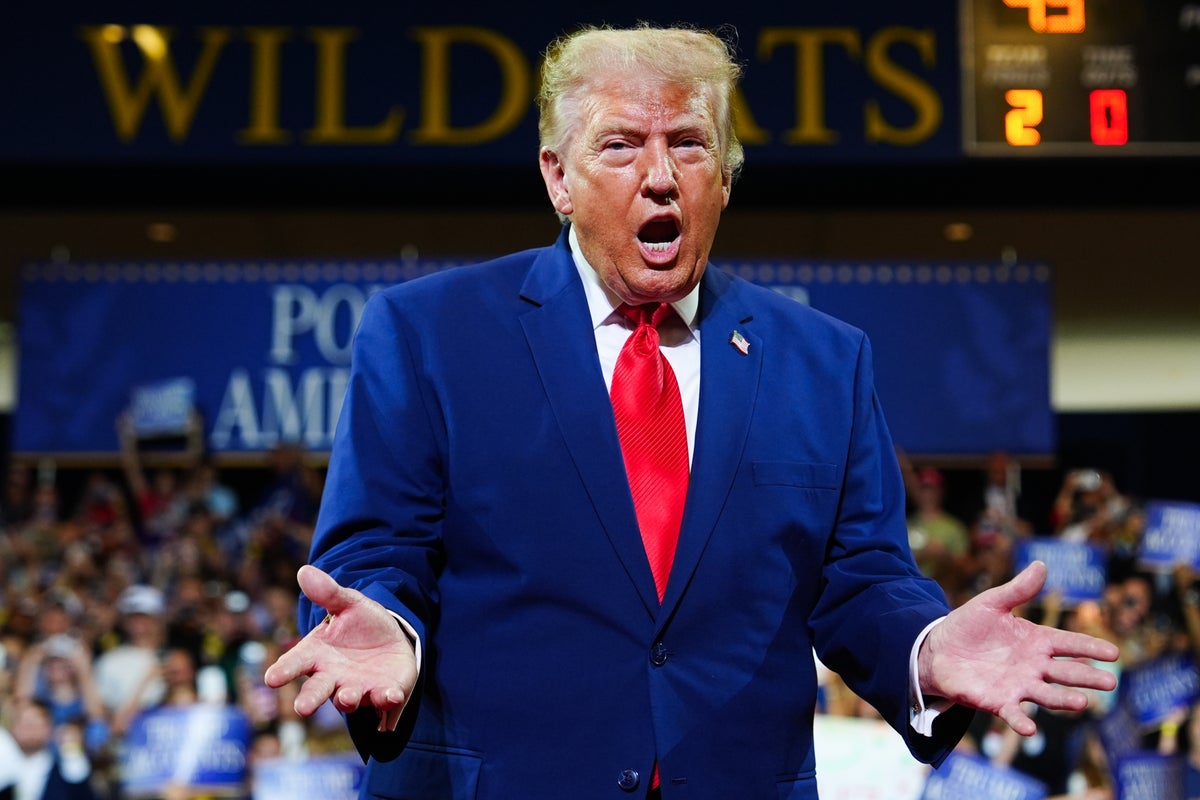
Donald Trump stands in front of a stadium crowd, talking about energy policy or border security, and suddenly pivots into a sweeping warning about radical Marxists and domestic threats. If you've watched a political rally recently, you've seen this happen. It feels sudden, almost off-the-cuff, but it's a deliberate technique that shape his speeches.
The rhetoric caught major attention during his address at Mount Rushmore marking the nation's 250th anniversary. Against the backdrop of giant granite presidents, Trump framed communism not as a relic of the Cold War, but as an active, mortal threat to American life—comparing it in severity to major global conflicts and national crises.
To critics, this style sounds like an unhinged ramble or a chaotic weave of random grievances. To supporters, it's an energetic, unscripted connection with the audience. But what's actually going on when Trump brings up communism on the trail?
Understanding the rhetoric behind the rally speech
Political scientists and speechwriters have analyzed Trump's unique delivery style for years. What critics call a disorganized rant, Trump himself has openly referred to as "the weave."
The strategy relies on starting with a main topic, branching off into several tangential stories or warnings, and eventually tying them back to the primary point. When he introduces high-stakes ideological terms like "communism" or "Marxism" during these tangents, it serves specific political functions:
- Raising the stakes: Elevating standard political disputes over taxes, regulation, or border security into an existential battle for the nation's survival.
- Unifying diverse grievances: Connecting unrelated voter concerns—such as public school curricula, immigration policies, and regulatory enforcement—under a single, easily recognizable label.
- Generating media coverage: Using dramatic language guarantees that excerpts from the speech dominate news cycles, keeping his message at the center of public debate.
During the Mount Rushmore address, he used this exact framework, warning that "communist" influences were actively attacking American heritage and identity. He quickly pivoted from those sweeping ideological warnings directly into pragmatic electoral calls, urging Senate Republicans to end the filibuster and pass strict voter legislation ahead of the midterms.
Cold War language in modern campaigns
Using political labels as rhetorical weapons isn't brand new in American history. Cold War politicians regularly framed local policy debates as battles against foreign ideologies. What makes the current moment unique is how these terms are applied to modern political opponents.
When political figures talk about communism today, they rarely refer to traditional Marxist-Leninist economic models like state ownership of all factories or collective farming. Instead, the term is used as a catch-all descriptor for progressive social policies, government regulation, and cultural initiatives.
This creates a sharp divide in how audiences interpret the message:
- Supporters view the language as a vital warning against expanding government oversight and what they perceive as radical shifts in American culture.
- Opponents see it as hyperbole designed to polarize voters, dismiss moderate policy proposals, and avoid nuanced debates on governance.
Why the message resonates with voters
Political messaging only works if it taps into existing voter sentiments. The persistent focus on ideological threats connects deeply with specific segments of the electorate.
For older generations who lived through the Cold War, references to anti-communism trigger a strong patriotic response and a sense of historical urgency. For voters concerned about rapid social and demographic changes, the framing offers a simple narrative explaining complex national shifts. By framing political contests as a choice between national preservation and ideological collapse, campaigns successfully drive voter turnout.
How to navigate modern political rhetoric
Understanding the structure of rally speeches helps you separate political performance from actionable policy. When evaluating dramatic campaign statements, keep a few practical strategies in mind:
- Separate the diagnosis from the proposal: Identify where the speech transitions from describing a perceived problem to proposing a concrete law or administrative policy.
- Look past the labels: Strip away loaded terms like "radical," "communist," or "fascist" and evaluate the specific policy being discussed, whether it involves voter registration laws, energy production, or judicial appointments.
- Trace the weave: Notice how the speaker connects different topics. Tracking how a speech moves from one point to another reveals the primary narrative the campaign wants you to take away.
Rally speeches are designed to inspire emotion and mobilize voters, not to deliver calm legislative briefings. Recognizing the patterns behind the rhetoric allows you to analyze political debates with far greater clarity.
/IndonesianWoman-5ab91881ba61770037463fbd.jpg)
