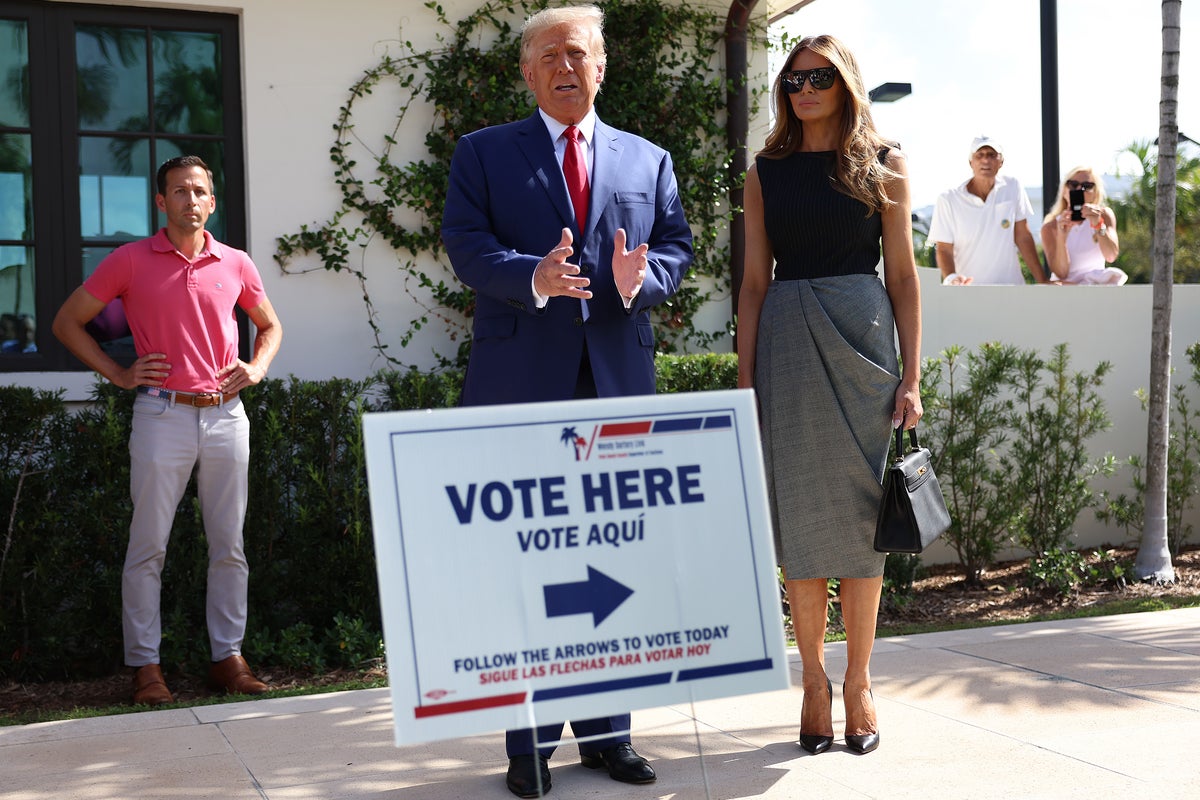
Donald Trump wants to ban mail-in ballots, but he keeps using them. Public records from Palm Beach County show that Trump routinely mails in his ballots for Florida elections, including recent primary votes, even as he tours the country labeling the practice as fraudulent cheating.
This glaring contradiction isn't new. It highlights a strange political theater where public rhetoric completely disconnects from private action. Let's look at why this happens and what it means for the ongoing fight over American elections.
The Reality Behind the Rhetoric
For years, Trump has claimed that mail-in voting is inherently corrupt. He often argues that expanding mail ballots invites widespread theft and counterfeit votes. Yet, when election cycles roll around in Florida, Trump and his immediate family members frequently submit their own votes by mail.
When reporters ask about this obvious double standard, the White House defense usually points to logistics. Officials argue that because Trump primarily resides and works in Washington, D.C., but maintains official residency at Mar-a-Lago, mail-in ballots are his practical option.
Critics point out a major flaw in that excuse. Trump frequently spends weekends at his Florida estate, where early in-person voting is readily available. He could easily cast a ballot in person just like millions of other voters do. Instead, he chooses the exact convenience he tries to strip away from others.
Pushing Legislative Restrictions
Trump isn't just complaining on social media; he is actively trying to change federal law. He strongly supports the SAVE America Act, which aims to crack down on mail-in voting and mandate stricter voter identification rules nationwide.
His supporters argue that mail-in voting lacks the security of a controlled polling place. They claim that universal mail-in systems—where states automatically send ballots to all registered voters—create unmanageable administrative risks.
Independent data tells a different story about the actual scale of fraud. Research studies, including analyses from institutions like the Brookings Institution, consistently show that mail voting fraud is vanishingly rare. It occurs in a tiny fraction of a percent of all votes cast. Fraud is statistically insignificant compared to the millions of valid ballots processed safely each election cycle.
Why the Double Standard Persists
Why keep up the attacks while utilizing the system? Politics plays the primary role. Framing mail-in voting as untrustworthy serves a specific strategic purpose for conservative campaigns. It energizes a base of voters who distrust institutional changes and prefer traditional in-person voting on election day.
At the same time, Republican ground operations often find themselves caught in a bind. Party strategists know that telling their own voters to avoid mail-in ballots can suppress total turnout, especially when opponents aggressively encourage mail voting weeks before election day.
Trump's personal choice to mail in his ballot proves a simple truth. Convenience wins out when you have access to the system. Voting by mail is secure enough for a former president, which means it remains secure enough for everyone else.
If lawmakers genuinely want to build trust in elections, focusing on transparent ballot-tracking and signature-curing processes makes far more sense than banning a popular method used by millions of working families, seniors, and military personnel. Until then, expect the mixed messages to continue right up until the next ballot drops.
"Typical Trump hypocrisy": Molly Jong-Fast on Trump mail-in vote
This short video clip captures media reactions and commentary regarding the ongoing discussion surrounding political figures casting mail-in ballots while publicly criticizing the practice.
http://googleusercontent.com/youtube_content/1


