The transatlantic alliance is running on fumes, and everyone in Washington and Brussels knows it.
When Donald Trump sits down with NATO allies at the shortened, high-stakes summit in Ankara, Turkey, the usual diplomatic pleasantries won't save the day. The old script of issuing a unified communique and smiling for a family photo is dead. Trump enters this summit view ing NATO not as a sacred shield of Western democracy, but as a bad business deal where America gets fleeced while Europe enjoys a free ride.
The real driver behind this crisis isn't just the familiar argument over cash. It's raw resentment over the recent US-Israeli war with Iran. When Washington launched that campaign, European allies didn't just hesitate; they actively blocked the US military from using joint European bases for offensive strikes. Defense Secretary Pete Hegseth called the move shameless. Trump took it personally. His recent social media broadsides, highlighting a nearly $1 trillion US defense budget compared to much smaller European outlays, carry a blunt warning: if you aren't there for us, we won't be there for you.
The Iran War Fallout and the Illusion of 5 Percent
For decades, NATO operated on the assumption that if the US went to war, Europe would at least provide logistical backing. The Iran conflict shattered that illusion. Countries like Italy restricted base access, forcing NATO Secretary-General Mark Rutte into full damage-control mode. Rutte has spent weeks trying to smooth things over, publicly insisting that planes flew hundreds of sorties from Italian bases and downplaying the friction as isolated cases. Rome quickly shot back, clarifying that they only offered routine, treaty-mandated logistics.
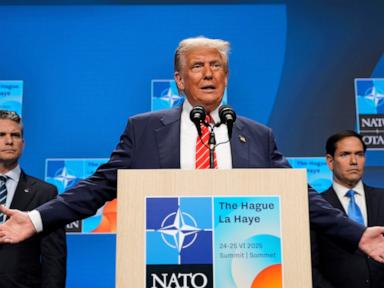
This deep resentment is overshadowing the massive financial promises Europe made just last year. At the summit in The Hague, member states bowed to intense American pressure and pledged to spend a staggering 5% of their GDP on defense by 2035.
| Country | Defense Spending Reality vs. Commitments |
|---|---|
| United States | Spending roughly $980 billion annually; funding global unilateral and alliance operations. |
| Germany | Doubling its budget within four years; Chancellor Friedrich Merz insists they won't shy away from scrutiny. |
| Poland | Spending around $44.3 billion; aggressively building independent capabilities due to border anxieties. |
| Italy | Stuck in domestic political fights over shifting funds from social services to military budgets. |
While Rutte flies around trying to sell the narrative that European rearmament is creating American jobs and boosting US defense contractors, Trump remains unmoved. The administration has already started drawing down assets from the NATO Force Model, forcing European capitals to scramble and fill the gaps themselves.
Greenland, Meloni, and the Death of Bilateral Trust
If you want to understand why European diplomats are terrified, look at how Trump treats his closest nominal allies. This isn't just about spreadsheets; it's deeply personal.
Take Italian Prime Minister Giorgia Meloni. Once seen as a natural ideological ally for the MAGA movement, Meloni is now a target. Trump recently posted an image of her on Truth Social with the caption "restraining order needed," mocking her after a public spat over a G7 photo opportunity. When personal relationships degenerate into internet memes, predictable diplomacy goes out the window.
Then there's the geopolitical surrealism of Trump reviving his demands to annex Greenland from Denmark, or musing about making Canada the 51st state. To a standard foreign policy analyst, these look like bizarre distractions. To European leaders, they signal an American president who views national borders and long-standing alliances as entirely transactional, fluid, and negotiable.
Two Entirely Different Views of the Enemy
Beneath the shouting matches over base access and GDP percentages lies a fundamental disagreement about who the enemy actually is.
Europe looks east and sees an existential threat. Poland's Prime Minister, Donald Tusk, is openly preparing his country for a potential lightning offensive from Russia. Warsaw isn't waiting for NATO anymore; they are buying tanks and artillery at a frantic pace because they no longer believe Article 5 is an absolute guarantee. They know that if Russia pushes into the Baltics or Poland, a US president focused on unilateralism might simply decide that defending Europe isn't worth American blood.
Trump doesn't view Russia through that same dark lens. He has explicitly stated that he wants a rapid, negotiated end to the fighting in Ukraine and has previously suggested he would tell Moscow to do whatever the hell they want to allies who don't pay their bills. The White House is prioritizing a complete reset of adversarial relations and moving its military focus away from the European continent entirely.
What Happens When the Blame Game Ends
To survive the Ankara summit, European leaders have shortened the entire event to a single dinner and one working session. The strategy is simple: minimize the time Trump has to get angry in public, heap praise on the American administration, and get on a plane back home before the alliance splits wide open.
But managing the relationship for another week isn't a long-term strategy. The era of relying on Washington to handle conventional European defense is over, no matter what happens in Turkey.
If you are a European policymaker or defense strategist, the next steps are clear and urgent:
- Accelerate the European Pillar: Stop treating the 5% GDP target as a distant 2035 goal. Gaps left by the current US drawdown must be filled with European hardware, logistics, and troop commitments immediately.
- Secure Independent Supply Chains: European defense spending is rising, but it means nothing if production lines depend on American political whims. Joint procurement programs within the continent must be fast-tracked.
- Prepare for a Post-Article 5 World: Follow the Polish model. Assume that outside help might not arrive, and build national defense structures capable of deterring aggression independently.
The diplomatic theater in Ankara might look unified on camera for a fleeting moment, but the structural foundations of NATO have already shifted permanently.