Donald Trump won the White House back, but his grip on Capitol Hill is already slipping. If you think the 2024 election gave Republicans a permanent mandate, you're looking at the wrong numbers. History loves a correction, and the current political environment is setting up a massive one.
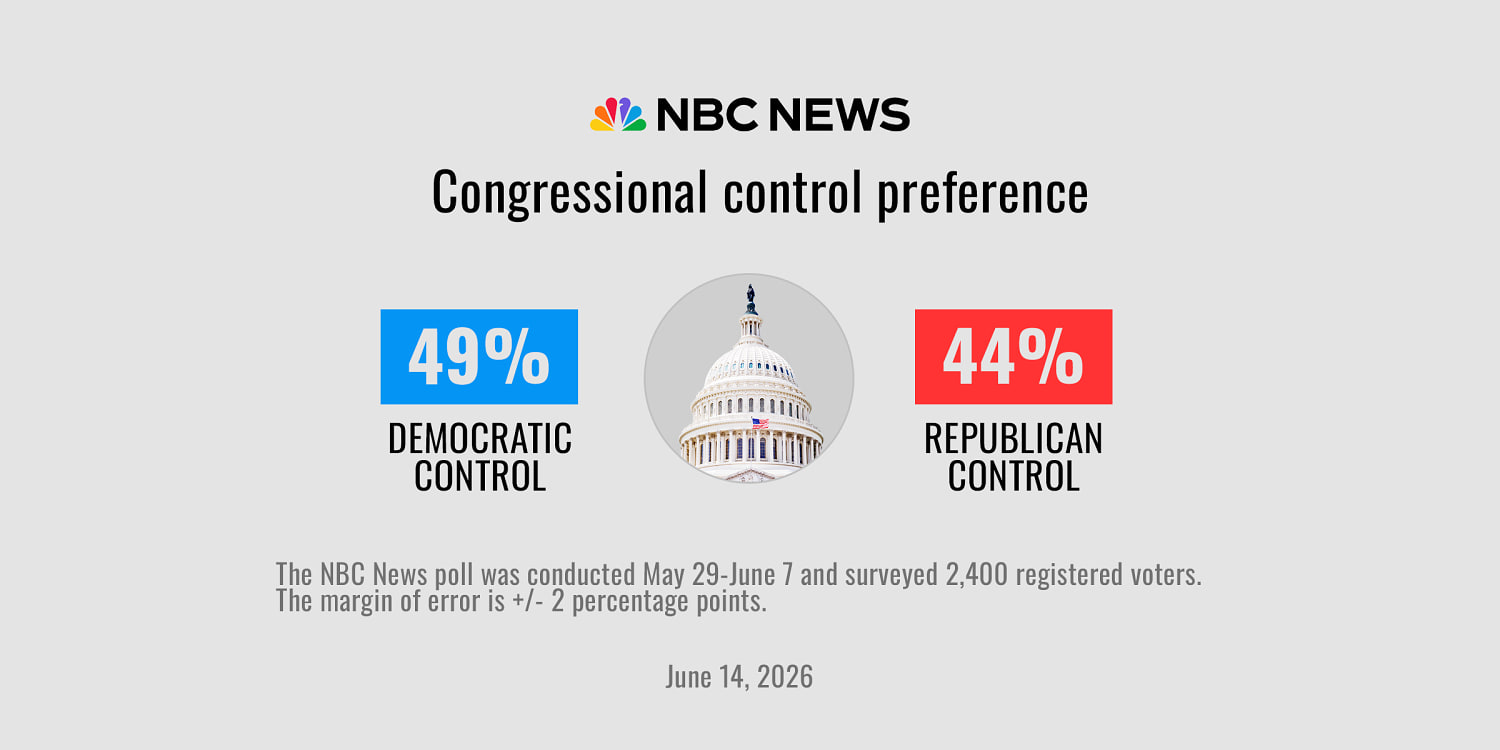
Voters are notoriously fickle. They buy the promise, then immediately revolt against the product. Right now, Democrats hold a distinct advantage on the generic congressional ballot leading into the midterm elections. It isn't because voters suddenly fell in love with Democratic leadership. Honestly, rank-and-file enthusiasm for the Democratic Party is stuck in a slump. But in midterms, you don't have to love your own team. You just have to really dislike the guy running the country. For a different perspective, consider: this related article.
The Backlash Machine Is Right on Schedule
Midterm elections are basically an institutionalized protest vote. The party out of power almost always gains ground. Look at the historical track record. In 2018, during Trump's first term, a surging wave of opposition delivered 40 House seats to the Democrats. Fast forward to 2022 under Joe Biden, and Republicans flipped the House. It's a predictable pendulum swing, and the clock is ticking for the current Republican majority.
Trump's approval ratings are dragging. When a president's approval sinks below the 50% mark, their party faces a brutal climb to keep congressional seats. Current polling averages show Trump firmly in net-negative territory. Voters are venting frustration over stubborn inflation, high gas prices, and controversial foreign policy moves. Because Republicans hold incredibly narrow majorities in both the House and the Senate, Democrats only need a tiny shift in momentum to flip the script. Similar insight regarding this has been provided by The Guardian.
The math for the House is remarkably tight. Republicans left the 2024 cycle with a razor-thin 220-215 majority. That means Democrats only need a net gain of three seats to reclaim the speaker's gavel. When you look at the map of vulnerable incumbents, the exposure for the GOP is glaring. More than a dozen Republicans are sitting in swing districts that voted against the top of their ticket.
The Issues Splitting the Electorate
Republicans rode into Washington promising a swift economic fix. But governing is harder than campaigning. A recent NPR/PBS News/Marist poll showed that nearly 60% of Americans believe lowering prices should be the absolute top priority for the government. Instead, voters are watching policy battles focused on aggressive immigration crackdowns and controversial federal overhauls.
- The Health Care Shield: Healthcare costs and rising insurance premiums are roaring back as central issues. This is a traditional stronghold for Democratic candidates. When voters worry about their coverage, they historically break toward Democrats by wide margins.
- The Economic Vulnerability: The GOP is losing ground on its core brand asset. Public trust in the Republican ability to manage the economy has dropped over the last year. While voters aren't necessarily convinced Democrats have a better plan, the disappointment with the current administration leaves the door wide open.
- The Anti-Establishment Funk: Voters are generally exhausted with Washington institutions. A massive 80% of respondents in recent tracking polls express little to no confidence in Congress as a whole. This environment favors challengers over incumbents every single day of the week.
Motivation Matters More Than Favorability
Here's the weird paradox of the current cycle. If you look at an AP-NORC poll, you'll see that barely 70% of Democrats view their own party favorably. That's a historic low, down from 85% right before the 2024 election. Activists complain that Democratic leadership isn't fighting hard enough or offering a cohesive counter-agenda.
But don't mistake internal grumbling for electoral apathy.
Data shows that the voters who are most dissatisfied with the status quo are also the most motivated to show up at the ballot box. In polling that filters for highly motivated voters, the generic Democratic lead swells even further. You don't need a deeply inspired base to win a midterm; you just need an angry one.
Independent voters are also breaking sharply away from the president's party. Historically, independents tend to hedge their bets by backing the party out of the White House to act as a check on executive power. With the presidency and both chambers of Congress currently under Republican influence, the desire for institutional balance is driving moderate voters straight into the arms of local Democratic candidates.
How to Read the Upcoming Electoral Map
If you want to track where this fight will actually be won or lost, keep your eyes on two specific arenas.
First, watch the suburban districts in blue states like New York and California. In 2024, localized shifts allowed Republicans to pick up critical seats in these regions, which ultimately secured their House majority. If the generic national ballot favors Democrats by even four or five points on election day, these moderate suburban districts will be the very first to flip back.
Second, watch the Senate map. While flipping the Senate is a tougher mathematical climb for Democrats due to the specific seats up for grabs, a deeply unpopular president makes even safe red states competitive. High-profile primary battles on the Republican side could yield highly ideological candidates who struggle in a general election format, repeating the strategic mistakes that cost the GOP winnable seats in previous midterms.
The lesson here is simple. If you are managing a political portfolio or just trying to predict the direction of federal policy, stop looking at the 2024 presidential map. The national mood has flipped. The best thing that ever happens to the Democratic party is Donald Trump running the government. It gives them a unified target, activates their donor base, and alienates the political center.
To prepare for the inevitable shift in Washington's power dynamic, start tracking the independent voter margins in the top twenty consensus swing districts. Those numbers, rather than the daily headlines from the White House, will tell you exactly how big the incoming congressional shift will be.