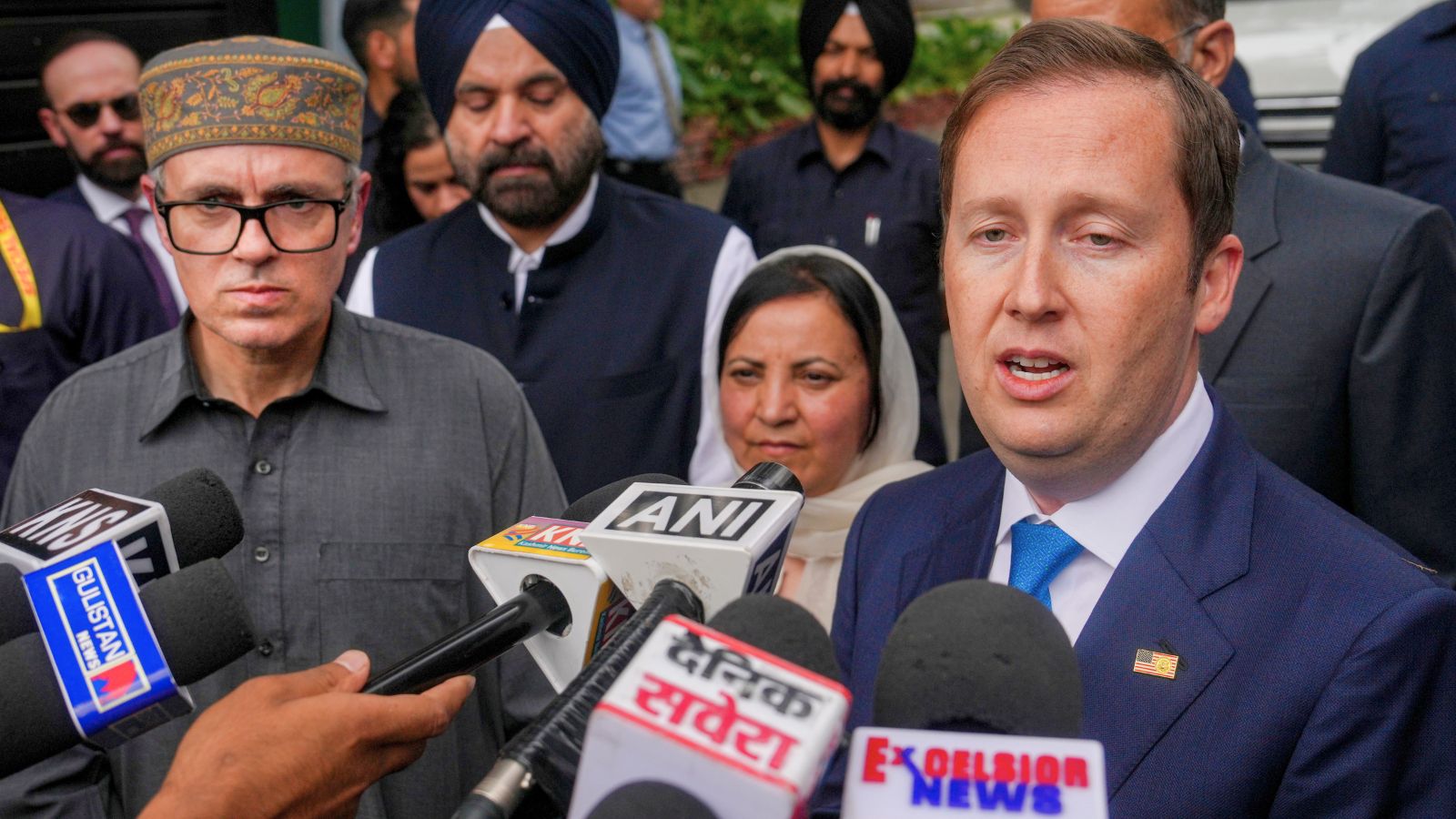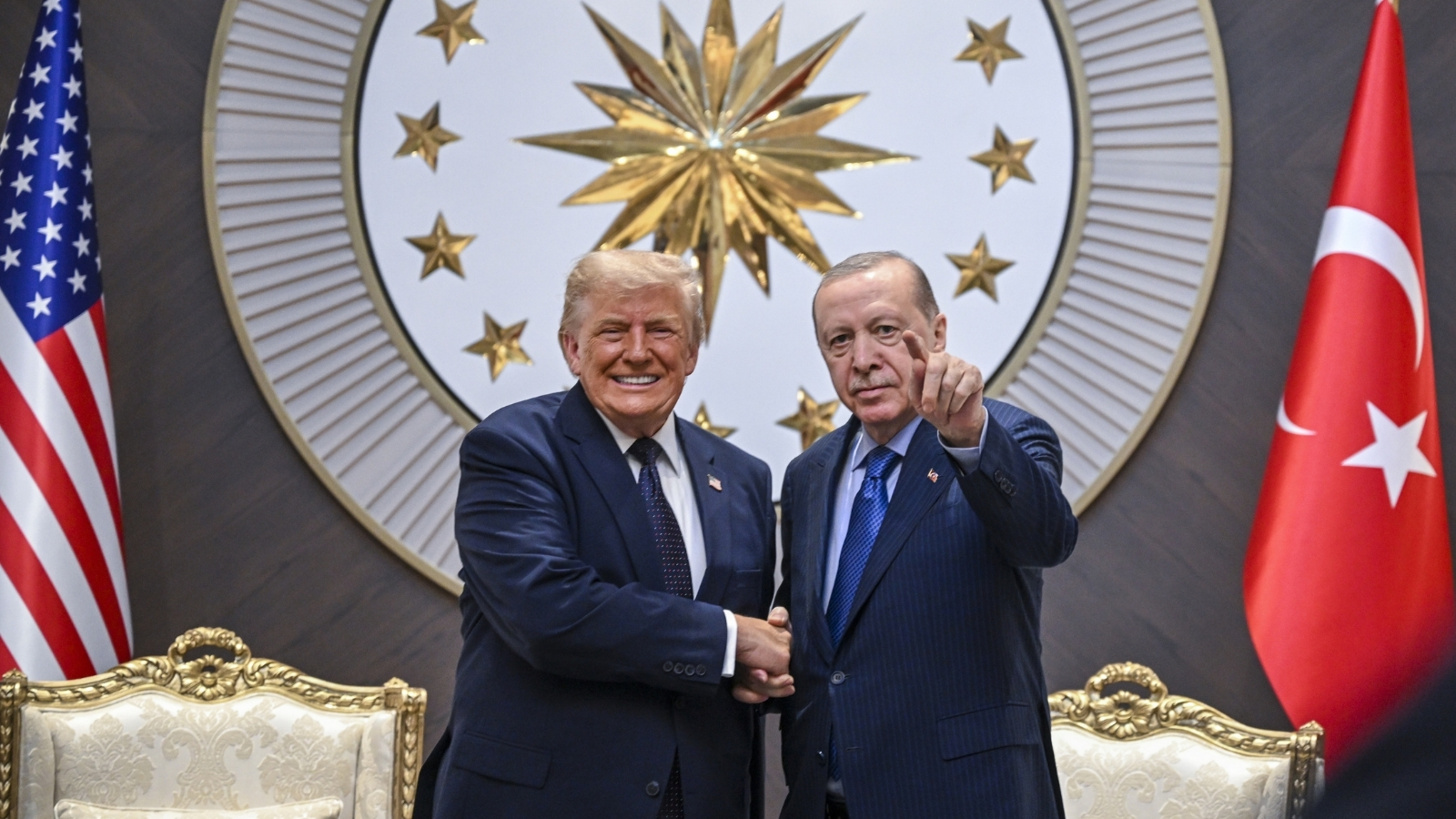
Donald Trump just landed in Turkey for the annual NATO summit, and he immediately threw a massive wrench into the proceedings. Sitting right next to Turkish President Recep Tayyip Erdogan in Ankara, Trump didn't hold back. He openly blasted European allies, brought up his lingering fury over their lack of support in the U.S.-Iran war, and revived one of his most infamous real estate ambitions: acquiring Greenland.
If you thought the Greenland purchase idea died years ago, you haven't been paying attention. Trump told reporters that the massive Arctic island should be controlled by the United States, not Denmark. Then he took it a step further. He explicitly threatened to pull all American soldiers out of Europe if the continent doesn't start bending to Washington's demands on defense, immigration, and energy.
This isn't just standard political theater. It's a calculated escalation that puts the future of the eight-decade-old military alliance in serious jeopardy.
The Arctic Pivot and the War in Iran
To understand why Trump is blowing up the Ankara summit before it even fully starts, you have to look at two distinct problems: the strategic panic over the Arctic and the aftermath of the recent military conflict with Iran.
Trump is still furious that major European powers like France, Germany, and Italy refused to back his administration during the war with Iran. He revealed that he tested these nations to see if they would have America's back after the U.S. spent trillions defending Europe over the decades. They blinked. Even the UK came under fire, with Trump mocking former Prime Minister Keir Starmer's hesitance to jump into the conflict right away.
So, how does Greenland fit into this anger? For Trump, it's the ultimate strategic leverage. He argues that while European allies refuse to assist the U.S. abroad, America is stuck footing the bill to protect them from Russia.
From a purely geographic standpoint, Greenland is becoming the most critical real estate on Earth. As Arctic ice melts, new shipping lanes are opening up, exposing massive untapped deposits of critical minerals. Trump isn't wrong about the security environment there. Russian military assets and Chinese research vessels are heavily active in the High North.
The U.S. already operates Pituffik Space Base (formerly Thule Air Base) in northwestern Greenland, which handles vital missile warnings and space surveillance. Trump’s logic is simple: if Denmark won't spend the cash to heavily defend the island, and if Europe won't help the U.S. when called upon, the U.S. should just take the territory and manage it directly.
The Threat to Evacuate Europe
The most alarming part of Trump's latest tirade isn't the real estate pitch. It's the explicit threat to abandon the continent entirely.
"We don't have to spend any money. We could remove all of our soldiers out of Europe." — Donald Trump
He followed that up with a blunt warning that European leaders better be careful with their immigration and energy policies, claiming that if they don't fix those two areas, there won't even be a Europe left to defend in 20 years.
This rhetoric strikes at the absolute core of NATO’s collective defense principle. For decades, the presence of American troops in Europe has been the ultimate deterrent against Russian aggression. Threatening to pack up and leave over a dispute about an Arctic island sends shockwaves through Eastern European capitals that rely on the U.S. security umbrella.
How Europe Is Scrambling to Appease Washington
European leaders knew Trump was coming to Ankara with a chip on his shoulder, and they tried to head off the criticism before he arrived. NATO Secretary-General Mark Rutte announced a staggering $50 billion package of multinational defense procurement projects, including new Saab GlobalEye surveillance aircraft, advanced drones, and air-refueling planes.
It was a blatant attempt to show Trump that Europe is finally taking defense spending seriously, especially as nations struggle to hit the new, unofficial targets of spending up to 3.5% of GDP on defense.
But Trump didn't seem particularly impressed by the shiny new hardware displays at the Ankara defense forum. Instead, he handed a massive diplomatic victory to his host, President Erdogan. Trump announced that the U.S. would lift the 2020 CAATSA sanctions imposed on Turkey for buying Russia's S-400 air defense system. He even signaled that Washington is open to selling F-35 stealth fighters to Ankara again.
By praising Turkey as a "strong ally" while tearing down the rest of Western Europe, Trump is effectively using a divide-and-conquer strategy within the alliance.
The Pushback from Denmark and the UK
Unsurprisingly, the targeted nations aren't taking the threats lying down. Danish Prime Minister Mette Frederiksen quickly responded in Ankara, trying to shut down the conversation for good. She noted that while the U.S. desire to take over Greenland is well known, it simply isn't going to happen.
Over in the UK, Chancellor Rachel Reeves didn't mince words either, stating flatly that the future of Greenland belongs to the people of Greenland and Denmark, not the American president.
The reality on the ground matches their defiance. Public opinion polls in Greenland show an overwhelming majority of the population completely rejects the idea of becoming an American territory or state. While Greenland's local government is perfectly happy to cooperate with the U.S. on military security and economic investment, transferring actual sovereignty to Washington is a non-starter.
What Happens Next
The Ankara summit is shaping up to be one of the most volatile meetings in NATO history. European allies are trying to stay focused on pressing issues like securing air-defense systems for Ukraine after a brutal wave of Russian missile strikes on Kyiv. Trump, meanwhile, claims he's talked to both Vladimir Putin and Volodymyr Zelenskyy, hinting that a unilateral deal to end that war is coming anyway.
If you are trying to read the tea leaves on where transatlantic relations go from here, watch how Denmark and the broader EU handle the Arctic portfolio over the next few months. European nations can no longer treat Trump's Greenland fixation as a bizarre joke or a passing whim. He views it as a core national security objective and a valid penalty for a continent he believes is freeloading on American military might.
The immediate next step for European leaders is finding a way to balance their own sovereignty without provoking a full-scale American military drawdown. It's a razor-thin tightrope walk, and judging by the opening salvos in Turkey, the rope is getting incredibly frayed.