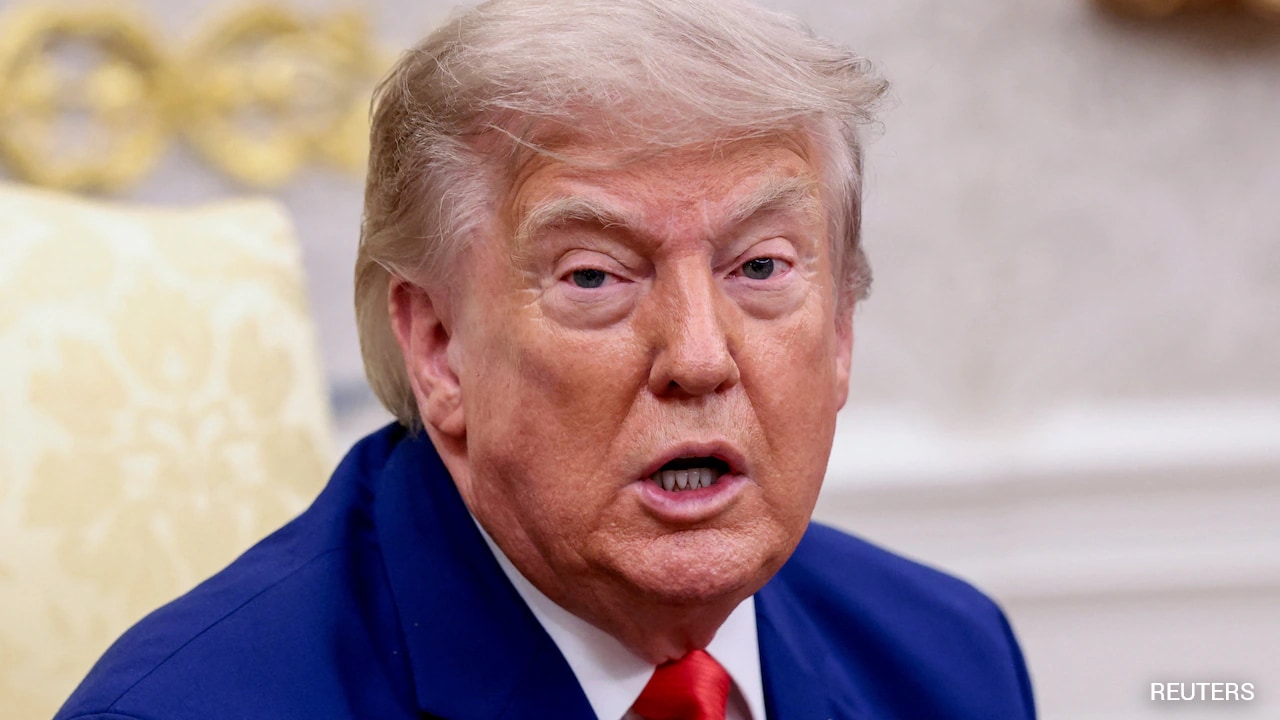
The Middle East conflict is sliding back into active escalation. President Donald Trump just made his intentions crystal clear during a cabinet meeting at Camp David. He stated flatly that the United States will keep hitting Iran very hard until Tehran breaks.
If you are wondering whether a massive weekend bombing campaign is imminent, you need to look past the cable news panic and examine what military planners are actually doing on the ground. The current cycle of violence isn't random. It follows a predictable, brutal rhythm of provocation and heavy retaliation.
The Breakdown of the Recent Ceasefire
Diplomacy hit a brick wall last week. Washington and Tehran were technically engaged in back-channel talks through intermediaries, but the ground reality told a different story. Iran launched ballistic missiles targeting American assets in Jordan, which completely upended any lingering hopes for a lasting truce.
Trump expressed losing faith in the negotiation process entirely. When five fast-moving missiles were intercepted over regional bases, the gloves came off again. The White House insists that Iran broke the terms of a framework agreement meant to wind down the naval standoff in the Strait of Hormuz.
Tehran sees it differently, accusing Washington of trying to widen the war through joint operations with regional partners like Saudi Arabia. This tit-for-tat escalation has pushed global energy markets into a frenzy, with oil prices reacting violently to every new explosion near vital shipping lanes.
What Going Big Actually Means
When reporters asked Trump if he was holding back on a broader offensive, his response was immediate. He brushed off the idea of restraint, noting that the military has already gone big and will continue to ramp up the pressure.
This posture means targeted infrastructure strikes are likely to intensify. Pentagon assessments point toward renewed campaigns against remaining Islamic Revolutionary Guard Corps command hubs, drone storage facilities, and maritime defense sites.
You should expect the economic shockwaves to ripple outward immediately. Shipping companies are already rerouting tankers away from the Persian Gulf, and insurance premiums for regional trade have skyrocketed.
The Reality of Prolonged Conflict
Wars are easy to start and notoriously difficult to wrap up cleanly. Entering the sixth month of this military engagement, the human and material costs are piling up. The Pentagon reports dozens of casualties among service members, while local infrastructure in regions connected to the Islamic Republic suffers mounting damage.
Public support back home remains fragile, and political pressure is mounting as midterm elections draw closer. Yet, the administration is doubling down on its objective to completely neutralize Iran's capacity to threaten regional stability or acquire a nuclear weapon.
Watch the shipping indices and official Central Command updates over the next forty-eight hours. The messaging from the top is unambiguous, and the military apparatus is fully postured to deliver on those threats.