American cattle ranchers are caught in a brutal vise. On one side, grocery store beef prices remain stubbornly high, forcing the White House to temporarily permit up to 300,000 metric tons of duty-free foreign beef imports to cool inflation. On the other side, that exact import strategy triggered an immediate, furious backlash from rural Republicans and agricultural groups who argue that flooding the market with foreign meat punishes domestic producers already battling a 75-year low in cattle inventory.
Enter Donald Trump’s sudden pivot: a pledge to draft legal documents allowing farmers and ranchers to process their own food and bypass the heavy-handed federal restrictions long dictated by the meatpacking establishment. Agriculture Secretary Brooke Rollins committed to waiving red tape, but reality check—ranchers and independent producers face massive logistical and legal hurdles before they can start butchering and selling across state lines.
Breaking the Big Four Monopoly
For decades, cattle producers have lived under the thumb of corporate consolidation. Just four massive meatpacking corporations control the vast majority of the American beef processing market. This tight oligopoly means ranchers have very few options when it's time to sell their livestock. They haul animals massive distances, often absorbing heavy transport costs, just to sell to processors who dictate the terms and take the lion's share of the profit.
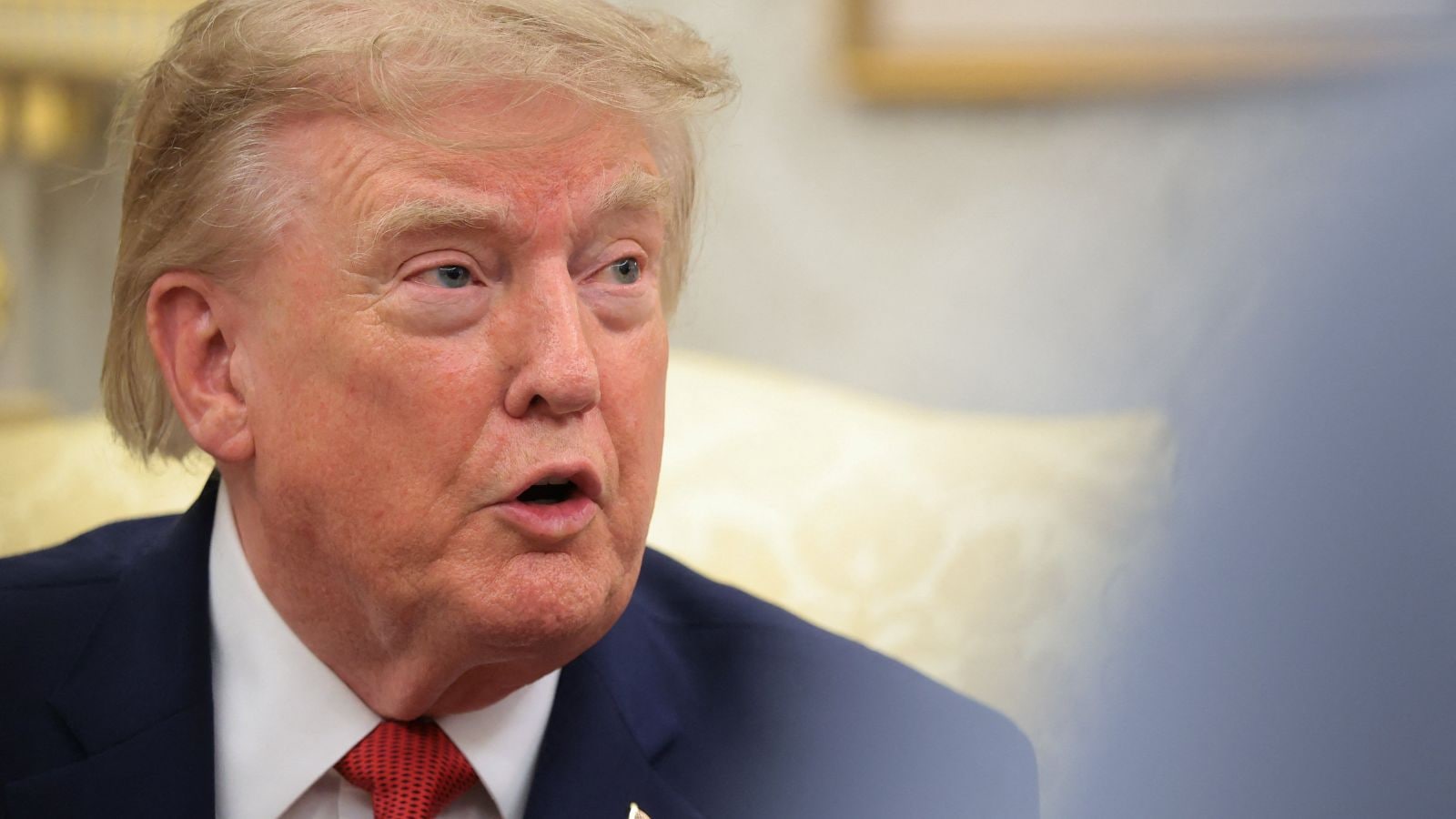
When conservative radio host and rancher Glenn Beck pressed Trump on the issue during an interview, pointing out that federal regulations and inspection mandates effectively lock small operators out of processing their own cattle, the administration changed tune quickly. Trump took to social media to label the major packing companies a "nasty Monopoly" and announced plans to dismantle regulatory bottlenecks.
The core question is whether executive orders can actually override decades of strict statutory safety frameworks.
The Regulatory Wall Standing in the Way
It is one thing to blast industry monopolies on social media. It is entirely another to rewrite the federal code governing food safety.
Existing laws require rigorous USDA inspection at slaughterhouses before meat can enter commercial channels. Independent producers have lobbied for years to pass legislation easing these inspection requirements for small-scale local sales, but those bills routinely stall in Congress. Major industry voices, including the National Cattlemen's Beef Association, have already pushed back, warning that weakening federal standards creates unnecessary food safety risks.
Furthermore, deregulation of processing will not magically manufacture cattle that do not exist. With US herd sizes sitting near historic lows, adding small processing plants creates more competition among buyers for a very limited supply of live cattle. That dynamic might actually support higher prices for cattle producers down the road, but it won't instantly knock dollars off supermarket steaks next Tuesday.
What This Means for Independent Producers
If you are running a cattle operation right now, don't expect to build a back-forty slaughterhouse tomorrow. The announced policy shift is a political counterweight to appease an angry agricultural base that felt betrayed by the sudden influx of foreign beef.
Watch closely for how the administration handles the Cooperative Interstate Shipment (CIS) program and whether inspection fee reductions for small-scale facilities materialize. Real reform requires cutting compliance expenses for regional plants so they can genuinely compete with the mega-packers. Until those concrete regulatory changes clear legal hurdles, the structural bottleneck in American beef remains wide open.
Evaluate your local processing options, track state-inspected cooperative programs, and prepare for a volatile market as Washington attempts to force open a closed system.