Applying for a green card is about to get a lot harder, especially if you have ever relied on government help to get by.
The Trump administration just threw a massive wrench into the legal immigration system by reviving its controversial "public charge" rule. Under this policy, immigration officers can deny permanent residency to immigrants who use public benefits like food stamps (SNAP), Medicaid, or housing vouchers.
Officially published in the Federal Register, this policy is set to take effect on September 18, 2026.
If you are navigating the immigration system, you cannot afford to ignore this. It is not just about whether you currently receive a government check. The new rules change how immigration officers look at your age, your health, your bank account, and even how well you speak English. It is a radical shift from the Biden-era guidelines, and it is going to catch a lot of people off guard.
Here is what is actually changing, who is at risk, and how you can protect your green card application before the September deadline.
The End of the Biden-Era Safety Net
To understand why this is a big deal, we have to look at what just got thrown out.
For the last few years, the Biden administration operated under a 2022 rule that was relatively lenient. Under those guidelines, "public charge" was defined very narrowly. The government only looked at cash welfare payments (like SSI or TANF) or long-term institutional medical care paid for by taxpayers. You could use Medicaid for doctor visits, tap into SNAP to feed your family, or live in public housing without worrying that it would ruin your chances of getting a green card.
That shield is gone.
The revived Trump rule brings back a sweeping, highly discretionary system. U.S. Citizenship and Immigration Services (USCIS) officers are regaining the power to evaluate your entire life to determine if you are likely to become a "burden" to the state.
It is basically a financial health test. The government wants to see that you are entirely self-reliant. If they think you might need public assistance in the future—even if you are not using it right now—they can reject your application.
What Benefits Are on the Danger List?
If you are planning to apply for a green card, or if you already have an application in the pipeline, you need to know exactly which programs can trigger a denial.
Under the new policy, officers will heavily scrutinize your history with:
- SNAP (Supplemental Nutrition Assistance Program / Food Stamps)
- Medicaid (with minor exceptions, such as emergency services, or benefits used by pregnant women and children under 21)
- Section 8 Housing Assistance and public housing programs
- Cash assistance programs like SSI, TANF, and local general assistance
If you are currently enrolled in any of these, it is a massive red flag for your application. But the scrutiny goes way beyond these specific programs.
The "Totality of Circumstances" Trap
The most challenging part of this rule is that you can be denied even if you have never touched a single dollar of public benefits.
Officers must look at a concept called the "totality of circumstances". This is a fancy way of saying they get to judge your age, health, family status, assets, and skills to predict your financial future.
Let's look at how this plays out in the real world:
- Your Age Matters: Working-age adults (18 to 61) get a pass here. But if you are sponsoring an elderly parent (65 or older), they face heavy scrutiny because they are statistically more likely to need expensive healthcare.
- Chronic Health Conditions: If an applicant has a condition like diabetes, heart disease, or cancer, officers will look at whether they have private health insurance to cover it. Without insurance, a chronic illness is viewed as a future drain on public healthcare funds.
- Language and Education: Do you speak English? Do you have a degree or a professional certification? If the answer is no, the government may argue you are less employable and therefore more likely to need public assistance later.
- The Income Bar is Rising: Legally, sponsors still need to show income at 125% of the federal poverty guidelines on the Form I-864 (Affidavit of Support). But in practice, under this strict rule, having income right at the line might not cut it. You really want to show 150% to 200% of the poverty guideline to look safe to an immigration officer.
Who Is Exempt from the Rule?
It is easy to panic when reading these changes, but it is vital to know that this rule does not apply to everyone. Large groups of immigrants are legally exempt from the public charge test.
The rule does not apply to:
- U.S. Citizens (and it won't affect your ability to naturalize if you already have a green card)
- Refugees and Asylees
- T and U Visa holders (victims of human trafficking or severe crimes)
- VAWA self-petitioners (survivors of domestic violence)
- Existing Green Card Holders (unless you leave the U.S. for more than 180 days and try to re-enter)
Also, if your U.S. citizen children receive food stamps or Medicaid, their use of those benefits does not count against your green card application. The test is strictly about the benefits used directly by the applicant.
The Real Danger: The Chilling Effect
When this rule was first introduced in 2020, the biggest issue wasn't actually the number of green card denials. It was the panic it caused.
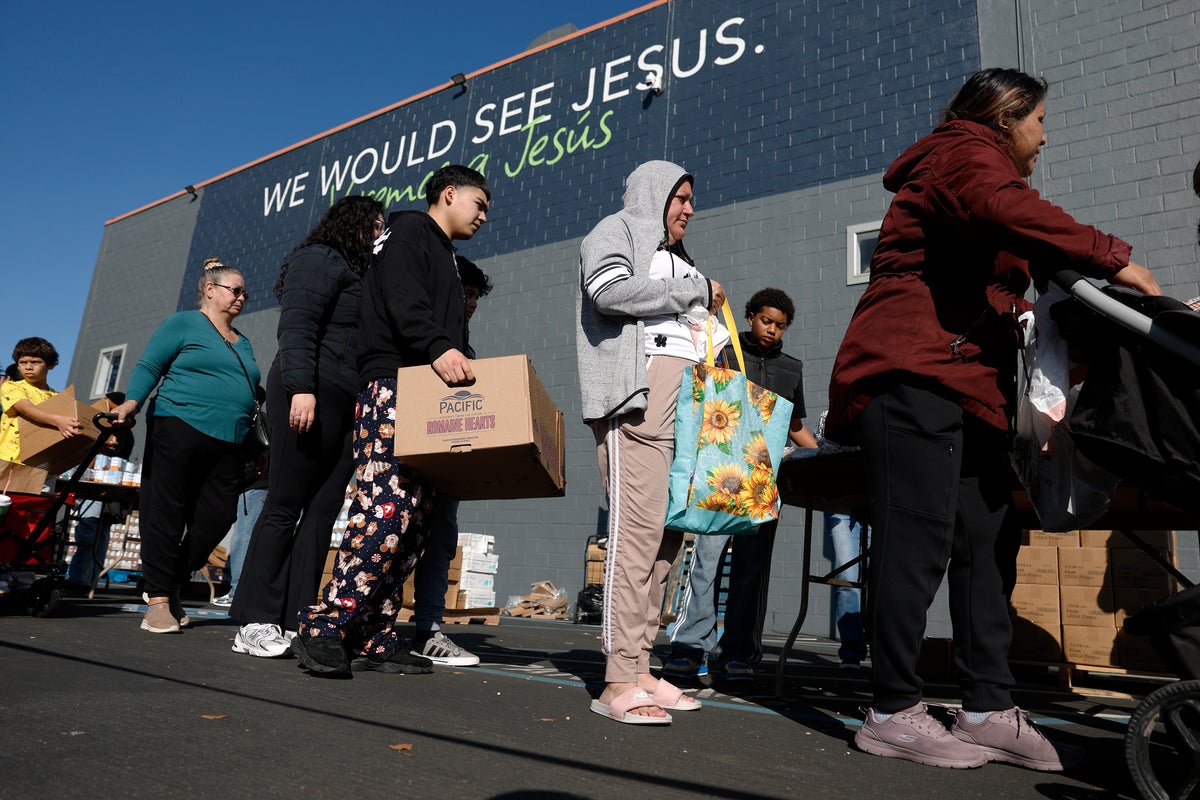
Millions of families dropped out of health clinics, canceled their food assistance, and pulled their kids from nutrition programs because they were terrified of being deported or separated. Many of these people were actually exempt from the rule, or their children were U.S. citizens who legally qualified for the help.
Advocacy groups are already warning that we are about to see this fear-driven withdrawal happen all over again. It forces families to make an impossible choice between keeping their dinner table stocked today or protecting their legal status tomorrow.
Actionable Steps to Protect Your Green Card Application
If you are planning to file for adjustment of status soon, you need to act quickly and strategically before the September 18, 2026 deadline.
First, look at your household finances. If your petitioning sponsor's income is close to the minimum requirement, start looking for a solid joint sponsor immediately. You want someone with stable, well-documented income that easily clears 150% to 200% of the poverty guidelines.
Second, if you or your family members are currently enrolled in SNAP, Medicaid (non-exempt categories), or housing assistance, consult an immigration attorney before making any sudden moves. Do not just drop out of essential healthcare programs in a panic. An attorney can help you weigh the risks and determine if you can transition to private health insurance or alternative, non-government resources.
Third, get your paperwork in order. If you have chronic health issues, gather documentation showing that your conditions are well-managed and that you have private insurance or the personal funds to cover your care. Build up a paper trail of your employability—this includes certificates, degrees, and tax returns showing a steady work history.
Finally, watch the calendar closely. USCIS will be releasing a revised Form I-485 to accommodate these changes. If you submit an older version of the form on or after September 18, 2026, the government will reject it outright. If you are ready to file, try to get your application postmarked well before that September deadline to be processed under the friendlier, existing guidelines.