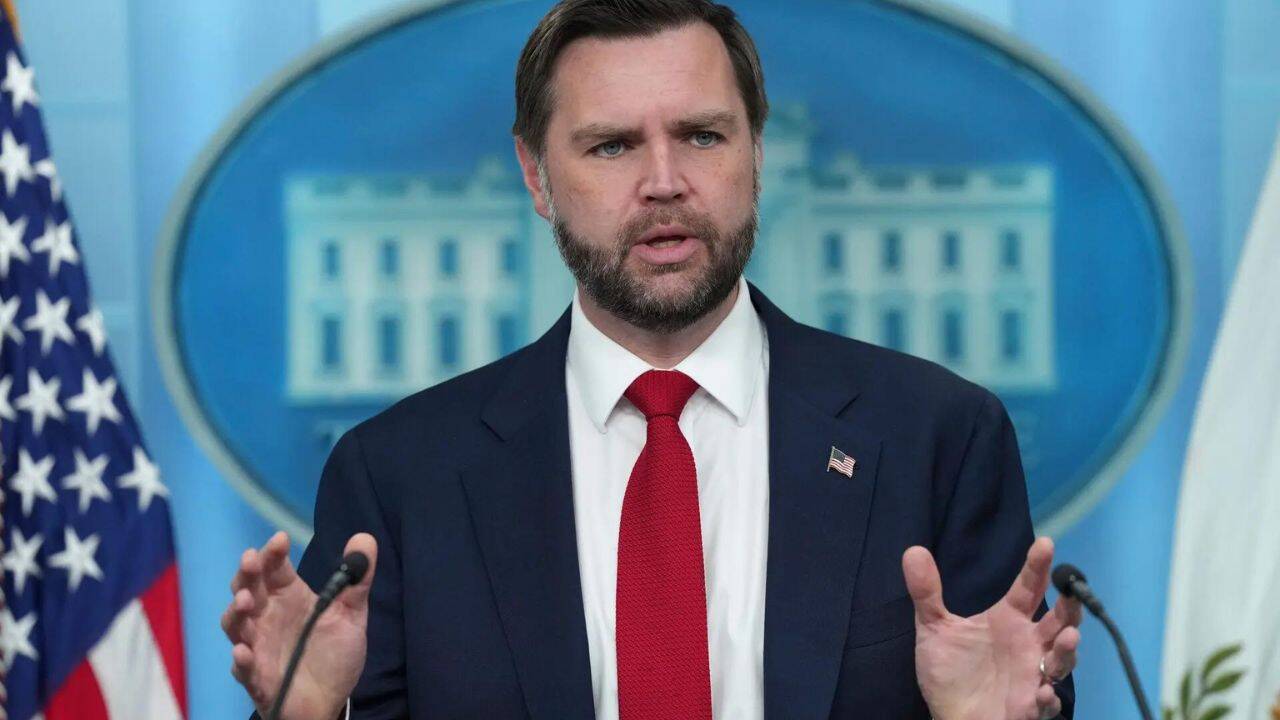
The Biden-era policies are officially gone, and the Trump administration just made its biggest high-stakes gamble yet in the Middle East. Washington blindsided oil markets by issuing a temporary 60-day license that effectively lets Iran sell its oil on the global stage again. Vice President JD Vance emerged from intense, closed-door negotiations in the Swiss Alps claiming a massive diplomatic win. According to Vance, Tehran agreed to let international nuclear inspectors back into the country.
But if you think this means the conflict is over, you are missing the real story. Behind the optics of a breakthrough lies a messy reality of conflicting statements, furious allies, and a temporary truce that could fall apart before the ink even dries. The US Treasury Department acted with intense speed to sign off on General License H, authorizing the production, delivery, and sale of Iranian crude oil through August 21, 2026.
This move directly addresses why global oil prices just slid by roughly four percent. Traders are bracing for a flood of Iranian crude, pushing Brent benchmark prices down toward 77 dollars a barrel. The deal gives Iran an immediate financial lifeline. In exchange, Washington expects a complete halt to shipping disruptions in the crucial Strait of Hormuz and real cooperation on nuclear monitoring. It sounds simple on paper. It is anything but simple in practice.
The Swiss Alps Showdown and the Vance Version
JD Vance spent hours huddled with Iranian Foreign Minister Abbas Araghchi at the Bürgenstock resort overlooking Lake Lucerne. The atmosphere was incredibly tense. At one point, the Iranian delegation threatened to walk out entirely after Donald Trump fired off a series of aggressive social media posts targeting Tehran. Vance had to personally smooth things over, telling reporters later that trash talk is just how things go now.
Vance hailed the agreement to readmit International Atomic Energy Agency inspectors as a major milestone for the American people. He pitched it as the foundation for a permanent end to Iran's nuclear weapons program. The White House wants the American public to see this as a masterful application of pressure yielding quick results.
The administration is under intense pressure at home with the November mid-term elections approaching. Voters are exhausted by inflation and volatile energy prices. By letting Iranian oil flow, the administration aims to lower gas prices for everyday Americans while claiming they forced a hostile regime to blink.
Tehran Tells a Very Different Story
Walk into the halls of government in Tehran, and you get a completely different narrative. Iranian Foreign Ministry spokesperson Esmaeil Baghaei wasted no time shooting down Vance's triumphant claims. Baghaei stated flatly that while a brief discussion about the nuclear issue occurred, there was no agreement on details and formal nuclear negotiations have not even started.
Iran claims it made absolutely no new commitments. Their state media emphasizes that any final deal must go through their Supreme National Security Council and parliament first. They see the 60-day oil waiver as a right they earned, not a reward for submission. They wanted the US naval blockade lifted and their money back before talking about caps on uranium enrichment.
This massive gap in interpretation shows how fragile the current framework is. Washington says inspectors are going back in. Tehran says not so fast. If IAEA inspectors arrive at the border and get turned away, the 60-day window shuts down instantly, and the regional conflict restarts.
The Jared Kushner Farm Strategy
One of the most bizarre and intriguing parts of this interim deal involves what happens to Iran's frozen financial assets. Tehran has roughly 100 billion dollars locked up in foreign banks due to past sanctions. Under a memorandum signed alongside Qatar and Pakistan, some of these assets will be unfrozen.
To quiet critics who say Washington is handing cash to a state sponsor of terrorism, Vance credited Trump's son-in-law Jared Kushner with a specific solution. Any unfrozen Iranian funds must be spent directly on American agricultural products.
The plan forces Iran to use its cash to buy American soybeans, wheat, and corn. Vance openly bragged that this deal would make American farmers richer while feeding the Iranian people. It is a classic transactional move designed to win support in the American heartland. Whether Qatar and international banks can actually police how every dollar is routed remains a massive question mark.
The Hidden Fight in Lebanon and the Strait of Hormuz
You cannot understand this oil deal without looking at the broader regional war that erupted on February 28. The conflict dragged the US and Israel into direct military action against Iranian infrastructure. The subsequent closure of the Strait of Hormuz sparked a brutal global energy crisis.
This new 60-day agreement establishes a weird, unprecedented "deconfliction" mechanism. Representatives from Washington, Tehran, and Beirut are setting up a dedicated communication channel to prevent accidental clashes. Notably, neither Israel nor Hezbollah has a seat at this specific table.
Vance explained the logic bluntly. He noted that sometimes a junior fighter fires a rogue drone without approval from high command, triggering a massive retaliatory spiral. The new channel is meant to allow the major powers to talk before things explode.
Yet, the plan faces a wall of resistance. Israel is currently waging a heavy military campaign in southern Lebanon against Hezbollah. Iran insists that Israel must withdraw as part of the long-term framework. Israel has already rejected that demand completely. If the fighting in Lebanon escalates, Iran has hinted it might restrict transit through the Strait of Hormuz again, regardless of what the US Treasury says.
Who Actually Benefits from the Eased Sanctions
Independent Chinese refiners are smiling the most right now. For years, these smaller refiners bought heavily discounted Iranian oil through under-the-table networks, ignoring Washington's warnings. Now, they can buy it openly without fear of secondary sanctions.
Other traditional buyers like India, Japan, and South Korea are taking a much more cautious approach. Energy executives in Mumbai and Seoul remember how quickly the US pulled out of the 2015 nuclear pact. They are hesitant to reconfigure their supply chains or sign new contracts for a waiver that only lasts 60 days. No one wants to get caught holding millions of barrels of Iranian crude if Donald Trump decides to cancel the memorandum of understanding in August.
Actionable Steps for Navigating the Energy Shift
The global energy landscape is shifting rapidly under this 60-day experiment. If you are managing investments or tracking economic trends, you need to adjust your strategy immediately.
- Watch the Brent crude floor: Monitor whether global oil stays settled near the 77-dollar mark or drops further toward 70 dollars as Iranian tankers hit the water.
- Track the IAEA inspection timeline: The moment inspectors either enter Iran or get blocked at the border will dictate the next massive swing in the commodity markets.
- Assess agricultural equities: Look closely at US agricultural exporters and grain logistics companies that stand to gain if the Kushner-designed asset routing mechanism begins processing billions in food purchases.
- Prepare for August volatility: Treat August 21, 2026, as a hard deadline. Hedge your energy positions well before the 60-day general license expires.