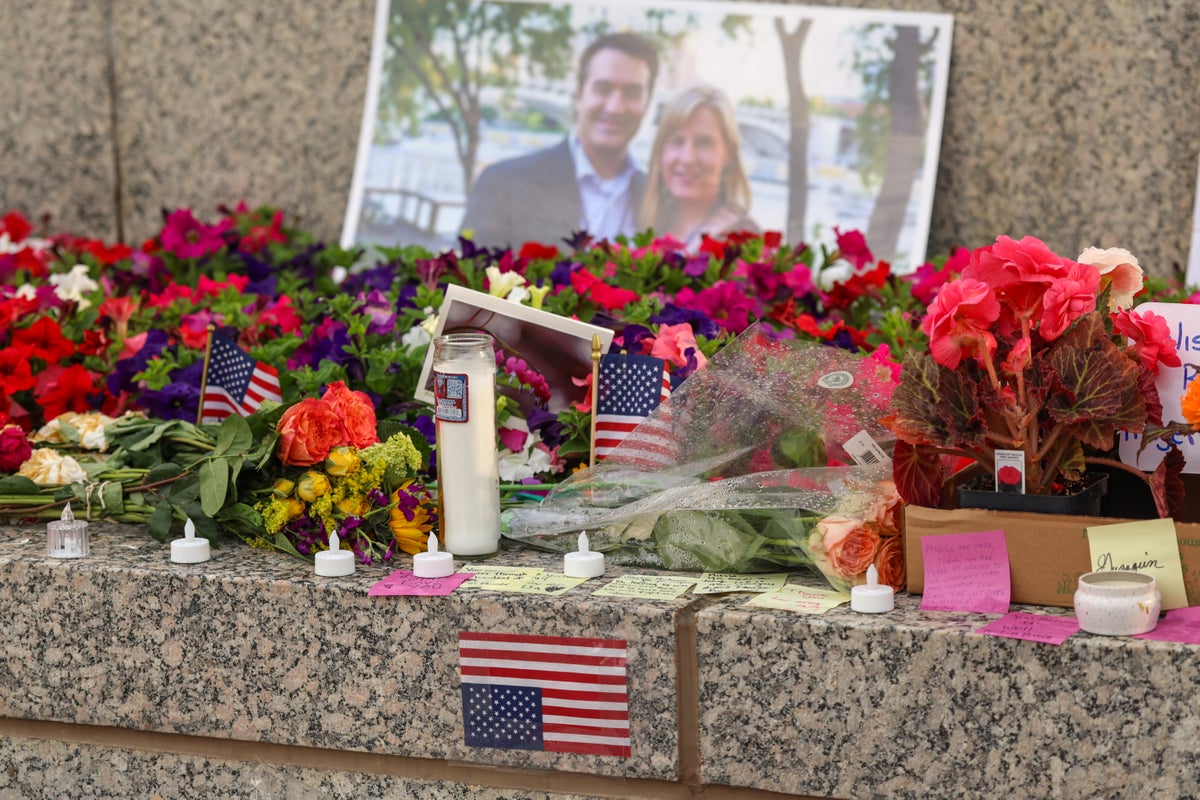
The criminal justice system just celebrated a massive failure as if it were a triumph of law and order.
When Senior U.S. District Judge John Tunheim handed down two consecutive life terms plus 40 years to Vance Boelter for the premeditated assassination of former Minnesota House Speaker Melissa Hortman, her husband Mark, and the ruthless attempted murder of State Senator John Hoffman and his family, the media breathed a collective sigh of relief. The headline narrative is comfortably familiar: the system worked, the dangerous partisan extremist is off the streets, and justice was delivered. Don't forget to check out our recent coverage on this related article.
That consensus is absurdly naive.
Taking the death penalty off the table in exchange for a federal plea deal was not an act of prudent prosecution. It was a capitulation that hands political terrorists a blueprint for survival. I have spent decades analyzing institutional risk, public policy failures, and the mechanics of political violence. When a state trades ultimate accountability for a quiet courtroom resolution, it does not defend democracy—it incentivizes the next extremist looking to alter an election through bloodshed. To read more about the background here, Al Jazeera provides an informative breakdown.
The Plea Bargain Illusion
Federal prosecutors claimed that securing two life sentences without parole ensured Boelter would "never be free again," framing the plea deal as an offer they simply could not pass up.
Look closer at what was actually traded away.
By cutting a deal to avoid a federal death penalty trial, the government effectively closed the book on public cross-examination. In cases of calculated, ideological terrorism—where a perpetrator spends months researching targets online, buying law-enforcement disguises, mapping out surveillance points, and timing attacks to paralyze legislative proceedings—a full trial is not a legal formality. It is a critical public audit.
A plea deal buries the evidentiary record. It hides the full scope of radicalization networks, digital trail vulnerabilities, and operational failures that allowed a lone actor to masquerade as a police officer and execute top elected leaders in their own homes.
When you offer an assassin a life behind bars in exchange for a guilty plea, you prioritize procedural convenience over total institutional transparency.
✨ Don't miss: Why The Fujairah Oil Hub Is A Ticking Time Bomb
Prison as a Soft Landing for Zealots
Consider the reality of what Boelter secured through his legal defense. His attorneys requested that he serve his sentence at USP Coleman II in Florida, citing his desire for structured programming and prison employment opportunities.
Imagine a scenario where an assassin brutally murders a house speaker, shoots her husband, guns down a senator in front of his wife and daughter, kills the family dog, and then negotiates his retirement facility preferences with the federal government.
That is not justice; it is an administrative accommodation.
For a 59-year-old extremist who calculatedly attempted to rewrite the legislative balance of power in Minnesota through assassination, spending his remaining years in a high-security federal facility with guaranteed healthcare, three meals a day, and an audience of like-minded inmates is not a terrifying deterrent. It is a predictable outcome he factored into his operational plan the moment he loaded his weapon.
- Capital punishment, whatever your philosophical stance on its broader moral execution, serves a specific functional purpose in cases of treasonous political violence: it completely removes the perpetrator from the ideological ecosystem.
- Life sentences allow political assassins to become living martyrs, writing manifestos from federal cells and inspiring subsequent generations of fringe agitators.
- A plea deal guarantees the perpetrator survives his own assault on the republic, turning a life sentence into a permanent, taxpayer-funded podium.
The Flawed Logic of "Closure"
Media outlets love the word closure. They publish pictures of tearful courtrooms, quote emotional victim impact statements, and tell the public that the sentencing brings a dark chapter to an end.
This is emotional manipulation masking structural weakness.
Senator John Hoffman told the court that he now lives behind solid steel doors, no longer receives mail at home, and carries physical and psychological trauma into every mundane detail of daily life. His wife Yvette remains unable to work. Representative Kristin Bahner was forced to confront the reality that an assassin stood on her porch waiting to murder her.
| Official Narrative | The Cold Reality |
|---|---|
| "Justice was served through maximum sentencing." | The state surrendered its maximum penalty to avoid a high-stakes trial. |
| "The sentence sends a clear message to political extremists." | It proves that killing lawmakers carries a predictable, survivable legal ceiling. |
| "The judicial process provided resolution for victims." | Victims face permanent life alterations while the state absorbs the perpetrator's long-term housing costs. |
The legal system wants you to believe that cage doors swinging shut equals safety restored. But as long as the legal strategy for political assassinations involves settling for plea bargains to save trial expenses and avoid protracted appeals, political violence remains an acceptable high-stakes gamble for political fanatics.
Stop calling a negotiated surrender to a partisan killer a victory for the rule of law. Call it what it is: a judicial system settling for the path of least resistance while the foundations of civil governance continue to crack.