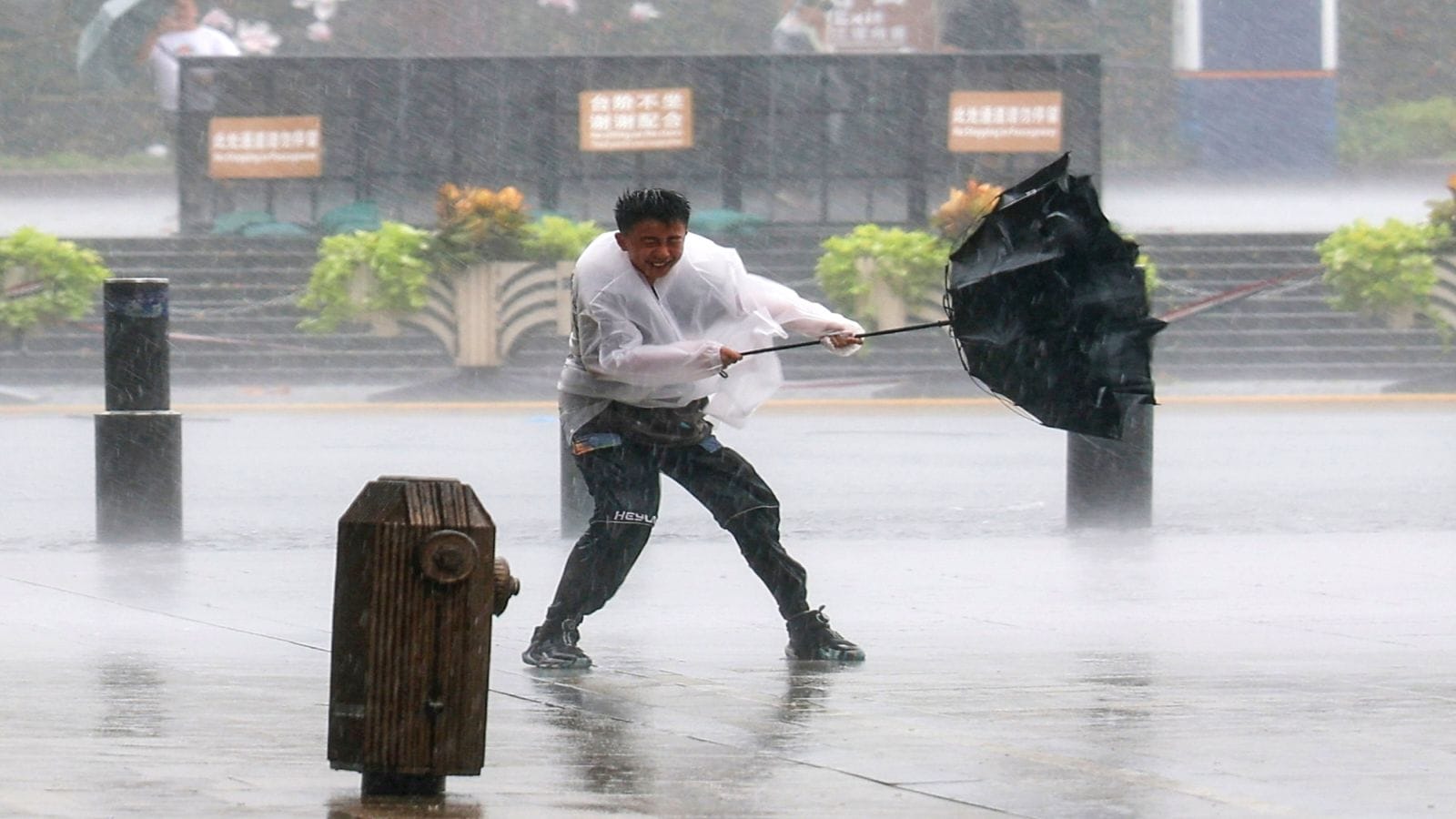
When a storm packs sustained winds that reached 185 mph earlier in its life cycle, nobody in Taipei waits around to see if the forecast is bluffing. In late October 2026, Typhoon Champi swept past Taiwan. Schools closed. Offices shut. Hundreds of flights vanished from departure boards.
On paper, a system brushing past an island looks less dramatic than a direct bullseye. In reality, Champi proved once again that a storm doesn't need to center its eye over a city to paralyze daily life. Coastal squalls, high surf, heavy rain bands, and safety protocols hit hard anyway.
Let's look closely at what happened when Typhoon Champi bore down on Taiwan, why aviation and everyday routines ground to a halt, and what travelers and residents actually need to take away from a storm like this.
How Typhoon Champi Turned a Brushing Pass Into a Shutdown
People sometimes assume a typhoon warning only matters if the center of circulation crosses the coastline. That's a dangerous myth. A massive tropical cyclone carries a huge wind and rain footprint, and even after weakening from super-typhoon peak strength, its outer bands can slam ports, mountain slopes, and coastal roads.
As Champi approached in late October 2026, authorities moved ahead of the worst conditions rather than reacting after infrastructure failed. More than 2,600 people were evacuated from vulnerable mountainous areas as heavy rain raised landslide and flood risks. Officials urged people near the coast to stay away from rough water, avoid unnecessary driving, and watch out for falling trees and debris.
Even in Taipei, where conditions felt less extreme than in exposed coastal or mountain zones, gusty winds and squally showers still disrupted normal movement. Public transit adapted with reduced services while schools and workplaces paused. One person died after being swept away by waves off the southeastern coast, and hundreds of injuries were reported across the island as the storm moved through—a stark reminder of how quickly ocean swells and flying debris punish carelessness.
Why Hundreds of Flights Were Cancelled So Quickly
If you've ever watched a regional aviation board turn red before the hardest rain even starts, you know how fast storm cancellations snowball. Airlines don't wait for runways to flood or crosswinds to exceed aircraft limits before scrubbing schedules.
During the height of Champi's disruption around October 23, 2026, officials reported all 262 domestic flights cancelled alongside 669 international flights. That isn't just about weather over Taipei or Kaohsiung. A major typhoon sitting near Taiwan ripples across regional air corridors:
- Crosswinds and visibility: Gusty surface winds and low ceilings make approaches and takeoffs unsafe or operationally inefficient.
- Aircraft and crew positioning: Planes and flight crews get stuck out of place when neighboring hubs or island destinations face rough weather.
- Regional spillover: Flights heading toward Okinawa and southwestern Japan's islands faced their own cancellations and delays as Champi tracked northward.
When a single system ties up both domestic hops and international routes, recovery takes longer than the storm itself. Even after skies start clearing, airlines have to untangle displaced aircraft, fatigued crews, and rebooked passengers across multiple days.
What Champi Revealed About Regional and Military Ripple Effects
A storm of Champi's scale rarely stays confined to one headline. While Taiwan dealt with evacuations, downed trees, and grounded air traffic, the wider region felt the knock-on effects.
Rough seas prompted maritime restrictions in nearby waters, and the storm's northward path put southwestern Japanese islands—including Yonaguni, Miyako, Ishigaki, and Okinawa—on alert for strong winds, rough surf, and flight disruptions. Large multinational military exercises involving U.S., Japanese, and partner forces also had to adjust training schedules day by day to keep personnel safe.
Honestly, that's one of the biggest lessons from autumn typhoons in East Asia. People often think of peak typhoon season as strictly a mid-summer affair, yet late-season storms can pack serious punch and collide with busy travel, trade, and operational calendars. Taiwan's strong disaster-response habits help keep fatality numbers far lower than they might be elsewhere, yet high injury counts show that wind, rain, and high waves still catch plenty of people off guard.
Smart Moves When a Typhoon Hits Your Travel or Daily Plan
If you're living in Taiwan or flying through the region during typhoon season, waiting until the morning of your flight to figure out a backup plan is a losing strategy. A few practical habits make a real difference:
- Treat flight alerts as early signals, not final word. Airlines often roll out proactive waivers before specific flights are officially cancelled. Grab a rebooking or refund option early if your itinerary looks tight.
- Watch the outer bands, not just the storm center. Rain totals on steep mountain terrain and rough surf along eastern and northern coasts can turn hazardous hours before or after the closest approach.
- Keep transit expectations flexible. Metro lines and rail services may run on modified schedules rather than shutting down completely, so check live operator notices before heading out.
- Skip sightseeing near water and trees. Coastal wave-watching and driving under heavy gusts are classic ways people get hurt during brushing storms.
Pack a small day-bag with power banks, medications, water, and offline copies of bookings before bad weather sets in. When a storm the size of Typhoon Champi moves through, being early beats being stubborn every single time.