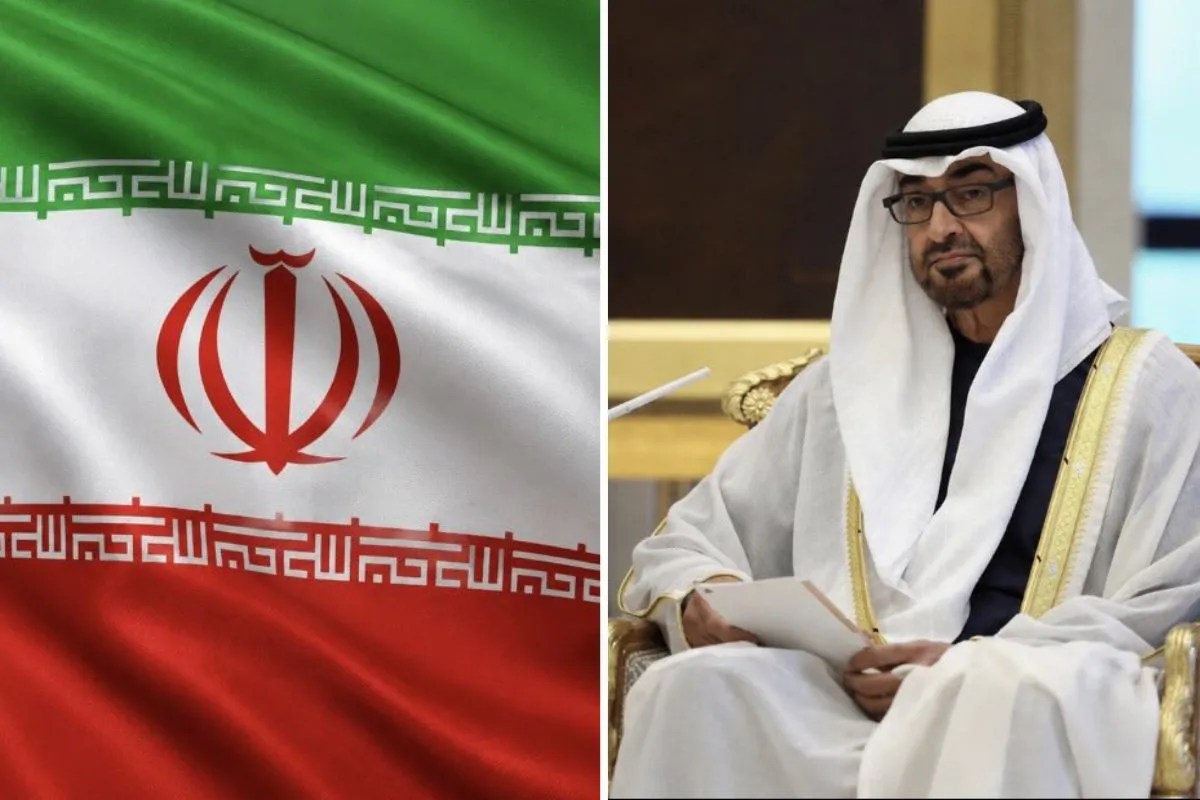
The economic lifeline connecting Iran to the outside world just snapped. Abu Dhabi has officially halted all trade, commercial exchanges, and financial transactions with Iran until further notice. If you think this is just another diplomatic spat, you're missing the bigger picture. This move dismantles decades of porous commercial channels that Tehran relied on to survive international sanctions.
When emergency missile alerts lit up phones across the Emirates, it wasn't just a security scare. It was the final straw for a relationship that had briefly shown signs of recovery. Let's look at what actually happened, why it matters right now, and what it means for global markets.
The Breaking Point in the Gulf
Tensions flared when Emirati defense systems detected two ballistic missiles launched from Iranian territory targeting maritime traffic near the coast. Both projectiles splashed down into the Persian Gulf, one landing inside territorial waters and the other just outside. While Tehran's foreign ministry quickly dismissed the allegations as baseless, the reaction from the UAE government was immediate and absolute.
Afra Al Hameli, director of the strategic communications department at the UAE Ministry of Foreign Affairs, didn't mince words. She announced that all commercial and financial bridges are burned until further notice. This decision tears up a fragile, short-lived restoration of economic ties that had only recently begun to stabilize after months of regional conflict.
Why Dubai Mattered So Much to Tehran
Before this total ban, the UAE served as Iran's primary economic oxygen tank. Independent economic data highlights that the UAE accounted for billions of dollars in non-oil exports to Iran, making it Tehran's single largest trading partner for vital foreign goods.
Dubai's bustling commercial districts and free zones functioned as a massive re-export hub. When Western sanctions locked Iran out of direct global banking, money and goods flowed through Emirati intermediaries. Iranian businesses used UAE accounts to source machinery, consumer goods, and industrial parts that they couldn't get anywhere else.
By pulling the plug, the UAE isn't just stopping direct bilateral commerce. They're choking off Iran's favorite backdoor to the global financial system.
The Economic Fallout for Both Sides
You might wonder if this hurts Abu Dhabi as much as Tehran. It's a fair question. The UAE has spent years building a reputation as a safe, stable global hub for tourism and finance. Chaos in regional waters threatens that brand. Shipping companies are jittery, and recent attacks on state-owned energy tankers in the Strait of Hormuz have pushed oil prices past ninety dollars a barrel.
However, the cost to Iran is existential. Economists tracking the region point out that Iran's import capacity relies almost entirely on third-party channels like the Emirates. Without access to Emirati banking networks and shipping logistics, finding alternative routes will take months, if it's possible at all.
What Happens Next on the Ground
The timing couldn't be worse for regional stability. This trade freeze coincides with the expiration of a short-lived diplomatic framework between Washington and Tehran, raising anxieties that maritime security in the Gulf will deteriorate further.
If you are tracking supply chains or energy markets, keep a close eye on the Strait of Hormuz. Commercial vessel insurance rates are spiking, and naval patrols are expanding. The era of business-as-usual between the UAE and Iran is officially over, and the economic isolation of Tehran just entered a brutal new phase.