Rumours spread fast online, but Abu Dhabi isn't wasting time letting misinformation define its foreign policy. When reports claimed the UAE was supplying financial facilities and banking lifelines to Iran, top officials stepped in immediately to shut down the noise.
If you've been following regional updates, you know that economic and diplomatic wires in the Gulf move at breakneck speed. Let's look at what's actually happening behind the headlines.
Setting the Record Straight on Regional Rumours
Anwar Gargash, diplomatic adviser to the UAE president, took straight to social media to call out the false reports. He labeled the claims about financial channels and residency cancellations as absolute fiction born from targeted media campaigns.
The timing of these rumors didn't happen by accident. Tensions flared after trade and commercial exchanges between the UAE and Tehran hit a total pause. When a major trade hub abruptly halts business due to regional security concerns, online speculators love to fill the vacuum with conspiracy theories.
Official statements from Abu Dhabi have kept a clear boundary. The country's strategy relies on actual work on the ground rather than getting dragged into digital mudslinging.
Separating Trade Facts from Online Fiction
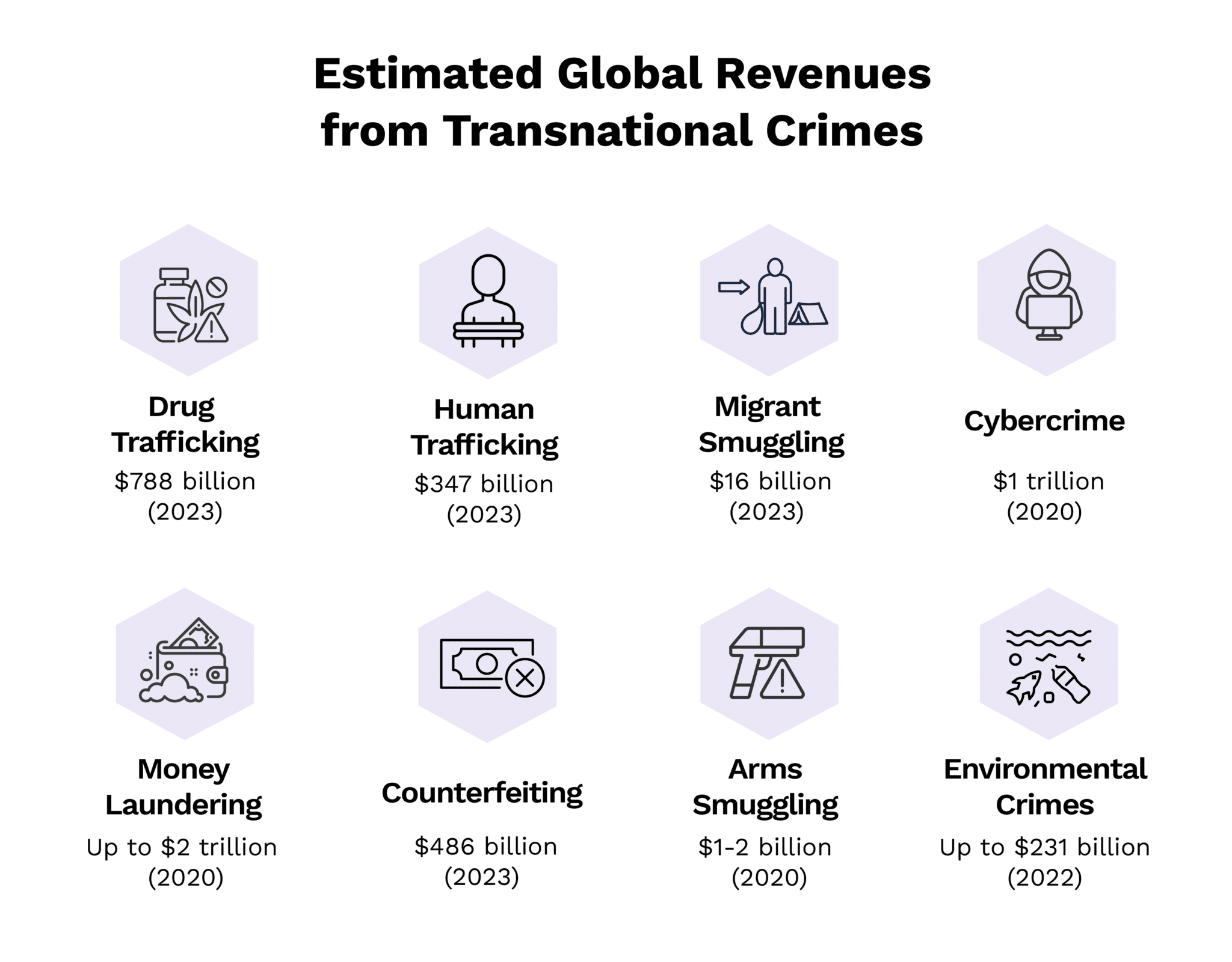
To understand why these financial rumours gained traction, you have to look at the sheer scale of commerce between the two nations. The UAE has historically ranked as Iran's largest trading partner in the Arab world and second globally behind China. Non-oil trade routinely sits between $27 billion and $29 billion annually.
When numbers that large are involved, any policy shift creates immediate shockwaves.
- Commercial activities and financial exchanges face an indefinite suspension.
- Defense officials reported intercepting ballistic threats, triggering strict security protocols.
- False claims suggested billions in frozen assets were moving through local banks, which the Ministry of Foreign Affairs flatly rejected.
The Danger of Unverified Digital Sources
Social media platforms thrive on sensationalism. In fast-moving geopolitical scenarios, anonymous accounts often mix real trade suspensions with fabricated stories about banking exemptions or mass residency cancellations.
Relying on unverified claims leads to bad analysis. When evaluating foreign relations in the Middle East, look directly at official state statements and verified ministerial announcements instead of viral threads.
The UAE's stance remains straightforward: stability and security take priority over internet speculation, and policy shifts will always come through official state channels rather than anonymous leaks.