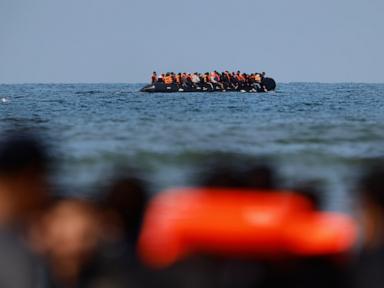
Crossing the English Channel in an inflatable boat is already a desperate gamble with hypothermia and drowning. Now imagine someone deliberately taking a knife to the rubber while people are trying to launch it. That isn't a hypothetical scenario from a dystopian thriller—it's a real criminal case that just landed a British far-right activist in the dock.
When a UK far-right activist pleaded guilty to slashing a migrant dinghy in the English Channel, the headlines focused mostly on the shock value of the crime itself. Most coverage missed the bigger picture. This case marks a dangerous shift from online anti-immigration rhetoric and street protests to direct, physical sabotage at sea and along the coast.
If you've followed UK border politics over the past few years, you know tensions around small boat crossings have been boiling over. Politicians trade slogans, commentators argue on television, and social media algorithms reward the loudest voices. Yet the legal reality of taking border enforcement into your own hands is unforgiving, and the British justice system treats maritime sabotage with extreme severity.
What Actually Happened in the Channel Dinghy Slashing Case
Let's strip away the noise and look at the facts on the ground. Small boats used for irregular crossings from northern France toward the Kent coast are typically overcrowded, underpowered inflatable vessels. Puncturing or slashing one of these boats doesn't just ruin a piece of equipment; it creates an immediate, life-threatening hazard in one of the busiest shipping lanes on earth.
The activist involved traveled with the explicit intent of disrupting migrant crossings, bringing a bladed weapon into a maritime environment to destroy a dinghy. When prosecutors laid out the evidence, the defense had very little room to maneuver. Pleading guilty became the only realistic option once investigators pieced together the digital footprint, travel records, and physical evidence tied to the incident.
Here's why that guilty plea matters so much. In many politically charged cases, defendants try to drag out proceedings to turn the courtroom into a soapbox for their ideology. By entering a guilty plea, the activist effectively conceded that the actions crossed a hard legal line that no political grievance could excuse.
Why Slashing an Inflatable Boat Is Treated So Seriously
To someone scrolling on a phone, poking a hole in an empty or launching dinghy might sound like simple property damage. Maritime law and UK criminal statutes view it completely differently.
- Immediate risk to human life. Cold water shock in the English Channel can incapacitate a strong swimmer within minutes. Deflating an inflatable craft turns a precarious journey into a mass-casualty event.
- Possession of bladed articles. UK law imposes strict penalties for carrying knives or bladed weapons in public without a lawful excuse, and "stopping illegal immigration" doesn't count as one under any statute.
- Endangering maritime safety. Interfering with vessels in navigable waters triggers serious offenses designed to keep shipping lanes safe for everyone, including Royal National Lifeboat Institution (RNLI) volunteer crews and Border Force officers who have to rescue people when things go wrong.
I've watched legal commentators debate where protest ends and criminality begins for years, and this is the cleanest boundary you'll ever see. Once you bring a blade to disable a vessel carrying or about to carry human beings, you're no longer protesting government policy. You're committing an act of physical endangerment.
How Far-Right Vigilantism Moved From Keyboard to Coastline
For years, anti-migrant activism in Britain followed a predictable pattern. Groups organized demonstrations outside hotels housing asylum seekers, filmed confrontational videos at ports like Dover, and livestreamed commentary to raise money from online supporters. Most of it stayed just inside—or right on the edge of—public order offenses.
That playbook started changing as online ecosystems rewarded more extreme stunts. Getting views in crowded social media feeds requires escalation. Walking along a beach with a camera stopped generating the same engagement, so a small subset of activists began talking about "direct action" to physically stop boats.
The Illusion of Citizen Border Patrols
There's a persistent myth circulating in certain corners of the internet that ordinary citizens have some kind of legal authority to intercept migrants or disable smuggling equipment. They don't. Not in the UK, and not in France.
In Britain, border enforcement powers rest strictly with designated officials under the Borders, Citizenship and Immigration Act and related legislation. Even citizen's arrest powers under Section 24A of the Police and Criminal Evidence Act 1984 are tightly restricted, requiring that an indictable offense is actually being committed and that waiting for a constable isn't reasonably practicable. Slashing a boat doesn't fit that framework under any stretch of the imagination.
Honestly, the people pushing "citizen patrol" narratives online rarely show up when handcuffs come out. The influencers who hype up direct action from behind a ring light usually distance themselves the second a follower faces serious prison time.
What Most Media Coverage Missed About the Legal Fallout
Standard news reports tend to treat cases like this as isolated incidents involving a single rogue actor. That framing is kinda lazy, and it ignores how law enforcement actually investigates extremist networks.
When someone travels to the coast or across the Channel to sabotage a boat, police don't just look at the moment the knife hits the rubber. Counter-terrorism and regional organized crime units routinely examine:
- Encrypted messaging logs. Prosecutors look for group chats where plans were discussed, funded, or encouraged by others.
- Crowdfunding and financial trails. Raising money online to travel to the coast for "border defense" can expose organizers to fraud or conspiracy charges if the funds support criminal acts.
- Cross-border intelligence sharing. UK Border Force, the National Crime Agency, and French maritime authorities share data on known agitators traveling through Channel ports.
This means a single guilty plea often sends ripples through an entire online network. Devices seized during an arrest give investigators a map of who else was talking about similar stunts, effectively shutting down copycat attempts before they leave the driveway.
The Strain on Rescue Services
Another angle that rarely gets enough attention is what happens to emergency responders when vigilantes interfere with small boats. Every time a dinghy is damaged or destabilized, it's not politicians who have to pull freezing people out of the water. It's volunteer lifeboat crews from the RNLI and Coastguard teams.
Sabotaging a vessel doesn't reduce the workload on British authorities—it multiplies it. Instead of a controlled interception by Border Force, emergency crews face a panicked, chaotic rescue operation in rough water, putting their own lives on the line because someone decided to play vigilante.
Common Misconceptions About UK Maritime Vigilantism
If you read comment sections on stories about Channel crossings, you'll see the same false claims repeated over and over. Clearing them up matters because misinformation is exactly what convinces people to throw their lives away on reckless stunts.
Misconception 1: Damaging an empty boat isn't a serious crime.
Even if nobody is aboard at the exact second a boat is slashed, conspiracy, criminal damage with intent to endanger life, and weapons offenses carry heavy custodial sentences. Courts look at the foreseeable consequences of the act, and everyone knows what an inflatable dinghy on the Channel coast is going to be used for.
Misconception 2: Prosecutors go easy on politically motivated defendants.
The exact opposite is true. Under UK sentencing guidelines, crimes aggravated by hostility toward a group based on race, nationality, or ethnic origin attract harsher penalties. Judges treat ideological vigilantism as an aggravating factor, not a mitigating one.
Misconception 3: Vigilante actions deter smuggling gangs.
Organized crime groups running small boat crossings treat inflatable dinghies as disposable overhead costs. Slashing one boat doesn't dismantle a smuggling network in northern France or Belgium; it just leads smugglers to put the same desperate passengers onto another defective craft an hour later.
How to Verify Facts and Follow UK Border Cases Accurately
Because immigration and border enforcement generate so much partisan spin, separating verified court records from viral rumor takes a bit of discipline. Whenever a high-profile incident like the Channel dinghy slashing case breaks, social media fills up with doctored clips, old footage from other countries, and false claims about court outcomes.
If you want to track how the UK justice system actually handles these cases without getting misled by outrage-bait accounts, stick to primary sources:
- Check official Crown Prosecution Service (CPS) releases. The CPS publishes verified summaries of guilty pleas, charges, and sentencing remarks for major public-interest cases.
- Cross-reference maritime incident reports. Organizations like the HM Coastguard and the RNLI maintain transparent public records of Channel rescue operations, which often contradict viral claims about what happened at sea.
- Look at sentencing remarks, not just headlines. In the UK, judges' sentencing remarks for significant criminal cases are frequently published through the Courts and Tribunals Judiciary website, giving you the exact legal reasoning behind a conviction.
- Verify video timestamps and locations. Before sharing any footage claiming to show "activists stopping boats," check whether established newsrooms or open-source researchers have geolocated the clip—recycled videos from Mediterranean crossings routinely get mislabeled as English Channel events.
Pay close attention to the sentencing phase of this case and similar prosecutions over the coming months. The sentences handed down by UK judges will set the benchmark for how aggressively Britain stamps out coastal vigilantism before someone gets killed.