Rich People Begging for Taxes Isn't What It Seems
Imagine walking into a room full of people with eight-figure bank accounts and hearing them chant for higher taxes. Sounds fake, doesn't it?
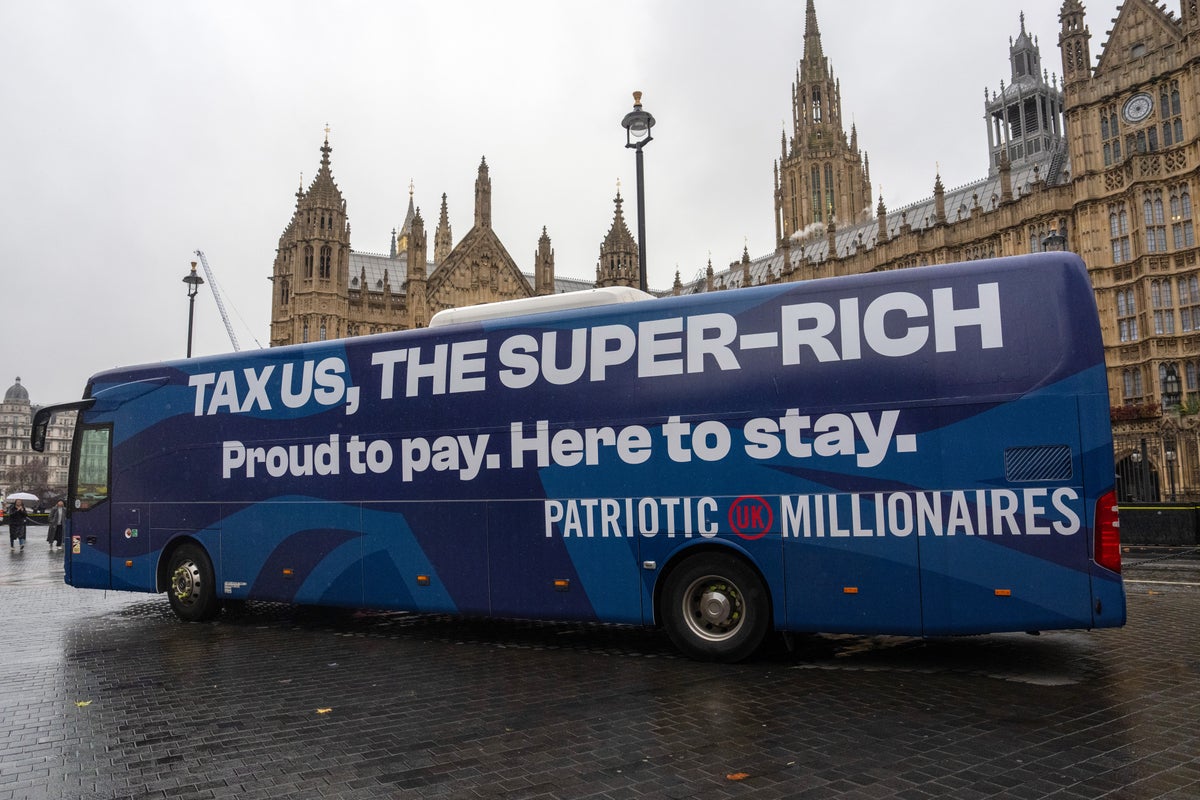
It's actually happening. A group called Patriotic Millionaires has been crashing economic summits and projecting messages onto government buildings. They don't want a tax break. They want to pay more. You might also find this connected article interesting: Why Trump's Cabinet of Billionaires Changes the Rules of Governance.
On the surface, it feels like a PR stunt. We're used to seeing corporate lobbyists fight tooth and nail over every loophole in the tax code. Seeing multi-millionaires ask lawmakers to take a bigger cut of their investments seems backwards.
Look past the headlines and you'll find a cold, calculated reality. These investors aren't acting out of pure generosity. They're trying to protect their own long-term wealth from a system that's rapidly pulling itself apart. As extensively documented in detailed coverage by Harvard Business Review, the results are significant.
How Patriotic Millionaires Was Born
The story started back in 2010. Erica Payne brought together a small group of high-net-worth individuals to push for the expiration of the Bush-era tax cuts. They started with around 45 members. Today, the organization has expanded across the United States and the United Kingdom, pulling in high-profile names like Disney heir Abigail Disney and former BlackRock director Morris Pearl.
To get through the door as a member, you need an annual income over $1 million or net assets exceeding $5 million.
The core message is surprisingly simple:
- Capital gains should be taxed at the same rate as earned income.
- Extreme wealth inequality threatens economic stability and democracy.
- Broad-based prosperity creates better, safer markets for investments.
When working people can't afford basic necessities, consumer spending drops. Infrastructure crumbles. Public services collapse. For someone holding millions in assets, a society on the verge of instability isn't a safe place to hold capital.
The Flaw in the Tax Code
Most people earn money through labor. You show up to work, receive a paycheck, and pay income tax on those earnings. The more you earn, the higher your marginal tax bracket.
The super-rich don't operate like that. Their wealth grows through assets: stocks, real estate, and private equity holdings.
Under current systems, unrealized gains aren't taxed at all. When an investor decides to sell off assets, those long-term capital gains are often taxed at a lower rate than standard income. A corporate executive making $10 million through stock options can wind up paying a lower effective tax rate than the nurse or firefighter working overtime.
Former BlackRock executive Morris Pearl has been candid about this dynamic. He's made it clear that he isn't inherently more selfless than other investors. He simply realizes that the code is rigged to reward asset ownership over actual work.
The result? Income inequality widens exponentially. The top 1% accumulates massive pools of capital that sit in financial assets rather than circulating through the real economy.
The Threat to Free Markets
Traditional economic theory claims that cutting taxes on the rich encourages investment and drives job creation. Decades of data show a different reality. Concentrating massive wealth at the very top doesn't automatically trickle down. It pools at the top.
When wealth becomes too concentrated, political power follows it. Wealthy individuals can buy influence through lobbying, campaign finance, and think tanks. That influence is then used to push for even lower taxes and fewer regulations, creating a feedback loop.
Patriotic Millionaires argue that this cycle directly undermines democracy. Polling commissioned by the group across G20 nations revealed that over half of high-net-worth respondents believe extreme wealth concentration poses a direct threat to democratic institutions.
Unchecked inequality triggers social unrest and political polarization. For ultra-wealthy individuals who prefer stable markets and predictable regulatory environments, widespread instability is a massive financial risk.
The Myth of Wealth Flight
The main argument against taxing the rich is simple: if you tax them, they'll leave.
Opponents claim that introducing wealth taxes or raising capital gains rates causes a mass exodus of talent and capital to tax havens like Dubai or Monaco. High-profile migration firms regularly publish warnings about rich families fleeing high-tax nations.
The data rarely backs up those doom scenarios. A Survation poll of UK millionaires revealed that 88% were proud of where they lived, and 75% expressed willingness to pay higher taxes to support public services and infrastructure. When asked what concerned them most, respondents pointed to the emigration of healthcare professionals and qualified workers—not wealthy elites dodging taxes.
Most people don't move their entire lives, families, and businesses solely over tax rates. Quality of life, legal safety, public infrastructure, and cultural ties matter far more than a few percentage points on an asset returns sheet.
The Math Behind a Wealth Tax
What would happen if governments actually implemented the changes requested by these millionaires?
A modest 2% annual wealth tax on fortunes over $10 million could generate tens of billions in revenue annually for major economies. Equalizing capital gains rates with income tax rates would pull in even more.
These funds could directly target:
- Fixing failing public infrastructure and transit systems.
- Funding healthcare systems struggling with staff shortages.
- Lowering the tax burden on low- and middle-income workers.
- Investing in green energy transitions and public education.
Reinvesting that capital back into society expands the middle class. A stronger middle class drives higher demand for goods and services, which ultimately creates a healthier economic ecosystem for businesses to grow.
Moving Beyond Self-Interest
Asking to be taxed higher isn't an act of charity. It's a long-term investment strategy.
Wealthy individuals who support progressive taxation understand that individual success depends heavily on the society surrounding them. Roads, legal systems, educated workforces, and stable financial institutions don't build themselves. They're funded by taxes.
Relying on voluntary philanthropy doesn't solve structural problems. Philanthropy is discretionary, unpredictable, and subject to the personal whims of donors. Tax policy provides structural support where it's needed most.
If you want to see change in your own jurisdiction, start by tracking local legislative proposals on capital gains and wealth taxation. Supporting policies that balance the tax load between labor and capital is the most direct way to build an economy that works for everyone.