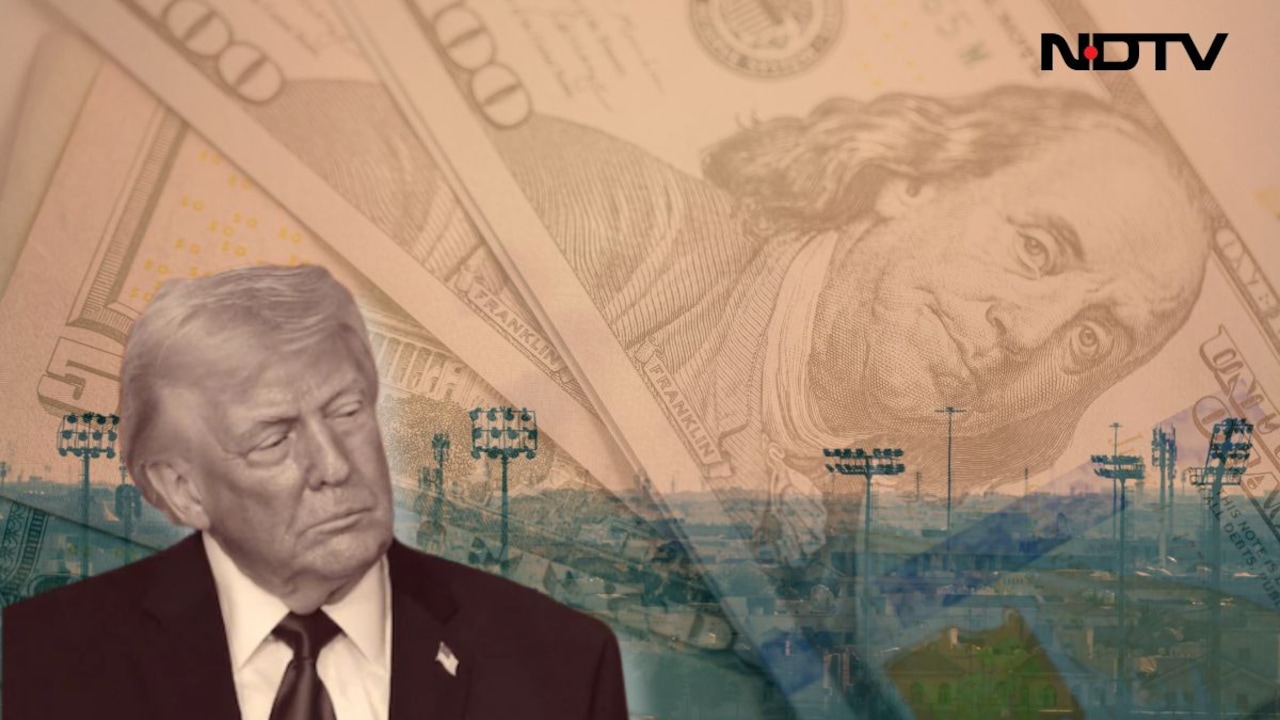
The United States is shuffling $725 million toward the United Nations, a move that functions more as a diplomatic sedative than a cure for a terminal fiscal illness. This payment, confirmed this week, addresses only a small slice of the more than $4 billion in arrears Washington has racked up. For an administration that has made a public spectacle of criticizing the global body for inefficiency and perceived biases, the transfer is a quiet admission that the risk of losing voting rights in the General Assembly is becoming too great to ignore.
Washington has effectively treated the United Nations as a discretionary line item during the second Trump term. By withholding the bulk of its obligatory contributions, the White House has forced the organization into a severe liquidity crisis. Salaries for staff have been delayed. Operational capacities have been curtailed. The United Nations is essentially running on fumes, and this latest $725 million transfer is merely a stopgap intended to buy silence until the president takes the stage in New York next month.
The math remains grim. With over $4 billion still outstanding, this payment covers less than 20 percent of the total obligation. Congressional caps on foreign spending and a deep-seated ideological aversion to the current structure of the organization ensure that the remaining debt will not vanish. The White House has offered no roadmap for settling the full balance. Instead, officials view the money as leverage. By keeping the purse strings tight, they intend to force structural changes and burden-sharing mandates onto a body that has historically resisted such unilateral pressure.
Inside the halls of the Secretariat, the atmosphere is toxic. Humanitarian officials have begun drawing red lines, openly stating they would rather refuse American contributions than adhere to strings that require them to enforce discriminatory domestic policies, such as those barring support for reproductive health or diversity programs. This sets up a bizarre, high-stakes game of chicken. The United States wants to dictate terms to a global institution, but the institution is increasingly finding that the price of American money—a loss of mandate and ethical coherence—is too high.
The broader fiscal reality exacerbates this friction. The United States is grappling with a national debt that has surged past $40 trillion. As the cost of servicing this mountain of borrowing consumes an ever-larger share of the federal budget, the appetite for funding international entities becomes nonexistent. When the Treasury must pay higher yields to keep the government afloat, every dollar sent to New York becomes a target for domestic critics who argue that charity, or at least geopolitical participation, must begin at home.
We are witnessing the slow-motion dismantling of a postwar tradition. For decades, the United States served as the anchor for the global order, providing the lion's share of funding to guarantee the stability of international peacekeeping and humanitarian efforts. That era is closed. In its place is a transactional model where every dollar is debated, delayed, and tied to specific political outcomes.
The January deadline for General Assembly voting rights is the next real cliff. If no further payments are authorized, the United States will find itself in the humiliating position of being a spectator in an organization it helped build. The current $725 million is enough to keep the lights on for another quarter, but it does nothing to rebuild the trust that has evaporated between Washington and the international community.
Expect the rhetoric to intensify as the General Assembly session nears. The administration will present this payment as a gesture of goodwill, a show of commitment that ignores the reality of the mounting debt. Behind the scenes, the struggle over agency autonomy and the terms of American influence will continue to hollow out the institutions that were designed to prevent exactly this kind of geopolitical drift. There is no strategy for recovery here, only a series of tactical retreats from a leadership role that Washington is no longer willing to bankroll.