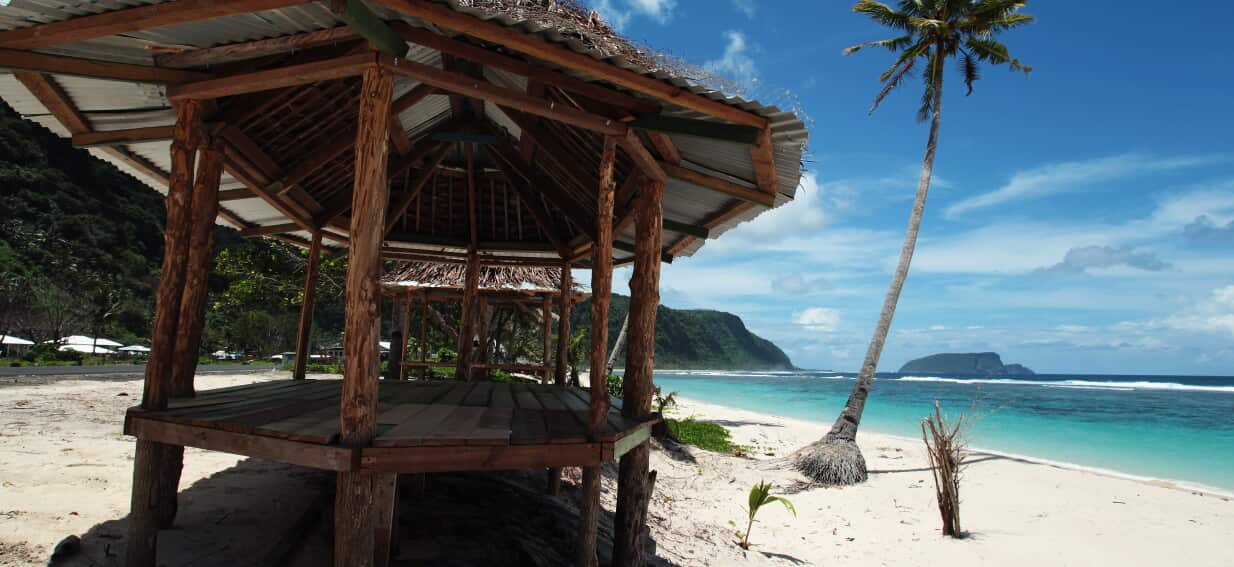
The federal government just put 31.5 million acres of Pacific seabed up for auction, and honestly, the timing couldn't feel more chaotic. On November 19, 2026, the Department of the Interior's Marine Minerals Administration moved ahead with the first-ever U.S. offshore critical minerals lease sale in the Pacific off American Samoa—despite a federal judge in Hawaiʻi throwing out the National Marine Fisheries Service's Endangered Species Act sign-off just days earlier. Startup Wetstone US Ventures took both tracts at the $3 million minimum bid each.
On paper, washington calls it a historic step toward domestic mineral security. Out on the water, Pacific Islanders, conservationists, and lawyers see a rush job that ignores local consent and skims over serious ecological blind spots.
What Actually Happened at the Lease Sale
Let's clear up one huge misconception right off the bat. Winning a lease in this auction doesn't mean giant bulldozers are scraping the ocean floor tomorrow morning.
According to the Interior Department, these 20-year leases cover two massive tracts northeast of American Samoa's Manuʻa Islands, targeting metals like nickel, cobalt, copper, and manganese found in nodules and iron-manganese crusts. A lease gives the winning bidder exclusive rights to run preliminary work—mapping and initial surveys—and submit plans for future exploration, testing, or commercial extraction. Commercial mining still requires separate environmental reviews and regulatory approvals down the road.
Royalties start at 2% of production value for the first five years of commercial output before stepping up to 5%. Even more striking, the Marine Minerals Administration acknowledged it lacks current legal authority to share those revenues directly with territories, saying it's working with lawmakers and Interior leadership to get that authority.
Still, holding the auction in Thousand Oaks, California—thousands of miles from American Samoa—right after U.S. District Judge Jill Otake set aside the fisheries agency's approval letter turned a technical leasing step into a flashpoint. Judge Otake ruled that the National Marine Fisheries Service fell short under the Endangered Species Act by evaluating only the sale and early surveys rather than the broader exploration and mining impacts that could follow. That ruling also casts a shadow over proposed seabed sales near the Northern Mariana Islands and Guam, as well as federal waters off Alaska and Virginia.
Why Pacific Opposition Runs So Deep
When you look at this fight from the ground up, it isn't just a dispute over mineral math. It's a clash over power, culture, and survival.
Residents and advocates in American Samoa have pushed back hard against opening waters near the Rose Atoll Marine National Monument to industrial extraction. Groups like Faʻasao Amerika Samoa and Finafinau have challenged the pace and scope of federal reviews in court, warning that deep-ocean ecosystems remain largely uncharted and that species vital to Samoan culture and marine life face real risk. More than 3,000 residents across U.S. territories have signed petitions opposing the push into Pacific waters.
There's also a sharp political whiplash at play. Last year, American Samoa Governor Pulaaliʻi Nikolao Pula wrote to federal regulators opposing deep-sea mining alongside local government chambers and residents. By November 2026, his stance shifted to welcoming the auction as a chance to assess seabed resources and build economic opportunity, while noting the sale itself doesn't authorize commercial mining. Meanwhile, advocates like John Wasko of the American Samoa Development Council argue that minerals tied to electric vehicles and clean energy are essential to fighting climate change.
That split captures the real tension. Some see potential leverage and scientific data; others see unilateral decisions made by people who don't live with the consequences. As community voices pointed out during recent litigation, residents of U.S. territories lack voting representation in federal decision-making yet bear the brunt of federal policy. Even if regulators promise to share ship locations or coordinate with fishing vessels, trust is thin when locals feel shut out of the room where the rules get written.
The Science and Supply Chain Trade-Offs
If you've spent any time following critical mineral debates, you know both sides cherry-pick scary scenarios. Let's look at what's actually on the table.
On the supply chain side, Washington and industry backers point to growing global competition for battery and defense metals—manganese, cobalt, nickel, and copper. Relying heavily on foreign supply chains makes manufacturers nervous, and seabed nodules look tempting on paper because they sit on the ocean floor rather than inside a hard-rock mountain.
On the ecological side, marine scientists and organizations like the Natural Resources Defense Council warn about disturbing poorly understood deep-sea habitats, kicking up sediment plumes, and creating collateral damage for fisheries and coastal traditions. Recent research has also highlighted tiny organisms living right inside deep-sea nodules—a reminder that we're still discovering basic life in these zones while trying to price them for leases.
In my view, rushing lease sales ahead of rock-solid baseline science and clear territorial consent is backwards. You don't build durable mineral security by sparking court battles and alienating the very communities tied to those waters. Better battery chemistry, recycling, and transparent environmental standards aren't flashy overnight silver bullets, yet they avoid locking in irreversible mistakes before we even understand the seafloor.
Practical Steps If You're Tracking or Acting on This
Whether you're following policy, researching supply chains, or organizing around ocean protection, you don't have to rely on second-hand outrage to stay sharp:
- Read the actual court filings and rulings: Look up coverage and filings around Judge Jill Otake's Endangered Species Act order in Hawaiʻi and lawsuits brought by groups like Finafinau and Earthjustice to see the exact legal grounds being tested.
- Track subsequent permitting stages, not just lease headlines: Watch for future environmental assessments and public comment windows required before any survey moves into commercial extraction.
- Follow Pacific-led reporting and groups: Read outlets and community voices in American Samoa, Guam, and the Northern Mariana Islands—such as The Yappie, Pacific Media Network, and Oceanographic Magazine—to hear directly from affected communities rather than distant policy summaries.
- Check how your own investments or tech choices touch critical minerals: If you care about supply chain ethics and climate impact, look into mineral sourcing disclosures, battery recycling programs, and how demand reduction stacks up against new extraction.


