A young Afghan man in his early twenties, whose family paid a steep blood price to support American forces, was recently put on a deportation flight to the Central African Republic. Think about that for a second. While official rhetoric often honors those who helped Western troops abroad, administrative enforcement mechanisms are now shipping their relatives to volatile nations where they have zero ties.
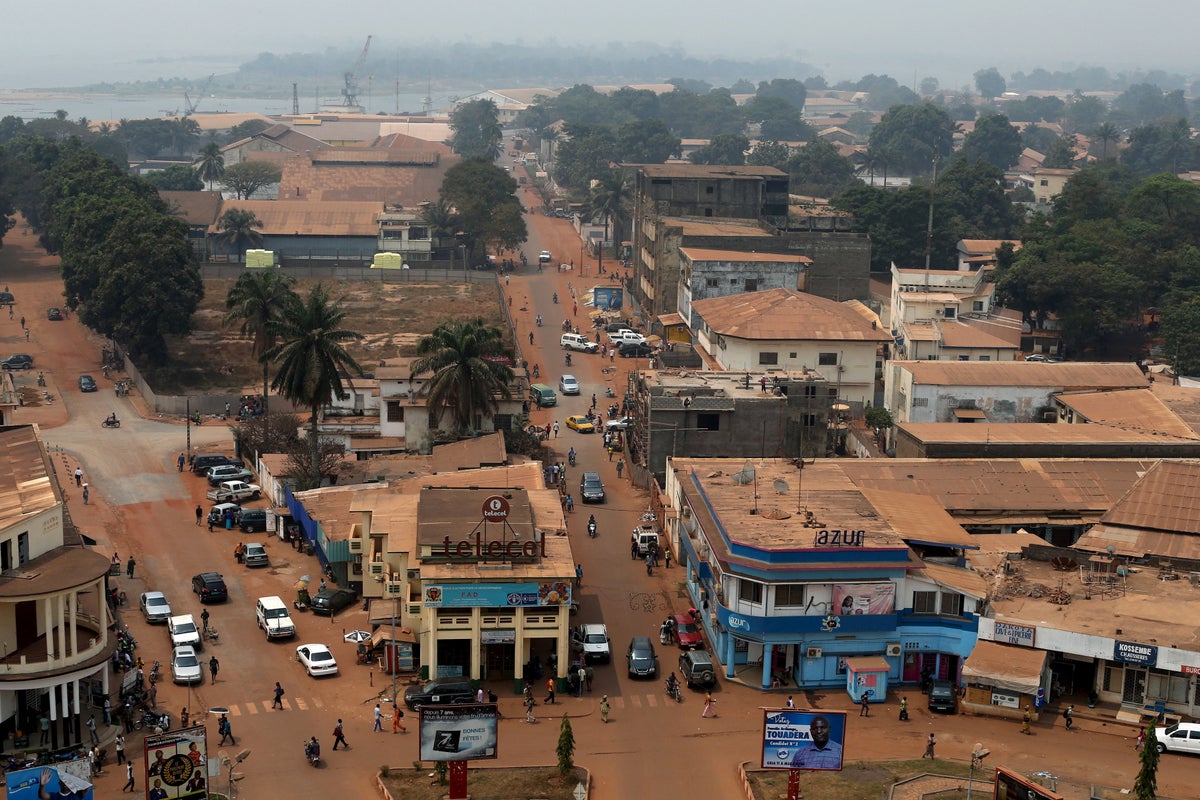
The flight touched down in Bangui, the capital of the Central African Republic, carrying a mix of asylum seekers including 12 Afghans and eight Iranians. Court documents reveal that this specific young man—identified in reports as Khalil—held a federal judge's protection order preventing his removal back to Afghanistan due to the severe, documented threat of Taliban retaliation. His brothers' résumés tell a heartbreaking story of alliance: one served directly in the Afghan National Army alongside U.S. troops, another was a U.S.-trained pilot who was ultimately killed by the Taliban, and his father and sister also aided coalition efforts.
Yet, a legal shield against going back to Kabul didn't stop the machinery from sending him to Central Africa instead.
The Mechanics of Third-Country Deportations
How does the United States legally send a protected asylum seeker to a completely unrelated African nation? Immigration attorneys and human rights groups point to a growing network of quiet, often undisclosed agreements. Instead of returning individuals directly to their countries of origin—which might violate specific judicial blocks or international non-refoulement principles—the administration has increasingly utilized third-country expulsions.
Thousands of deportees have been shifted across roughly two dozen destination countries under this umbrella. Critics call it a bureaucratic workaround. Lawyers argue it functions as an indirect loophole to bypass domestic protections and court orders.
Savvy observers of immigration policy shouldn't be entirely surprised by the mechanism, but the specific destination raises alarming security questions. The U.S. State Department maintains severe travel warnings for the Central African Republic, citing rampant crime, kidnapping, active civil conflict, and terrorist activity. Dropping vulnerable asylum seekers into such an environment effectively strands them without local support networks, legal recourse, or physical safety.
The Broader Crackdown on Asylum
This flight to Bangui wasn't an isolated mishap. It marks at least the second or third large-scale deportation operation directed toward the Central African Republic. Previous flights transported individuals fleeing political persecution elsewhere, including Iranian dissidents.
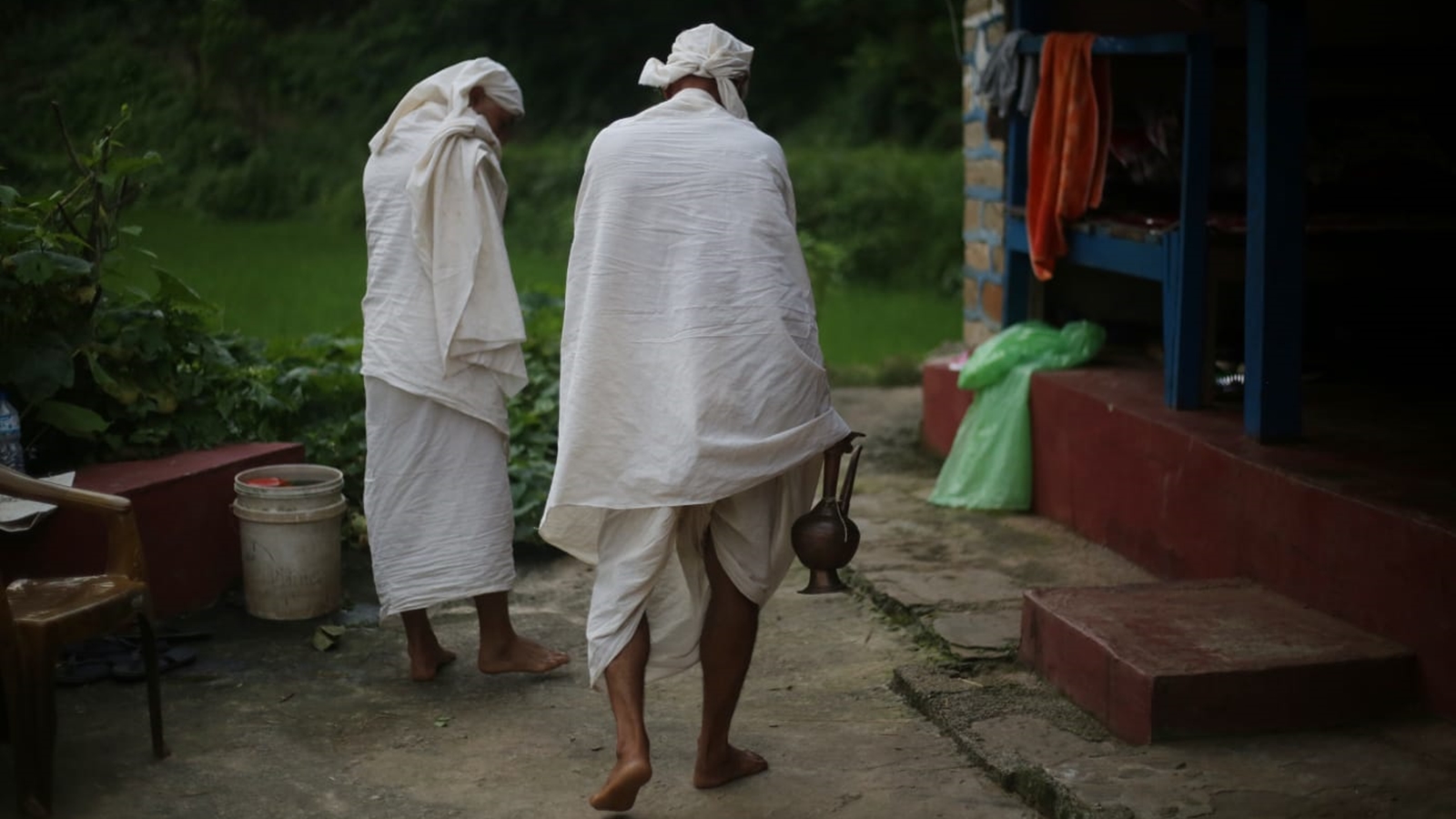
The sweep targets diverse nationalities, including arrivals from Nicaragua and Nepal. But the inclusion of individuals with direct familial ties to the American war effort in Afghanistan highlights a glaring contradiction in modern immigration enforcement. Thousands of Afghan allies who assisted the military during the two-decade occupation have faced bureaucratic purgatory, long visa backlogs, and now, active removal proceedings despite explicit judicial warnings about their safety.
Legal advocacy organizations like Human Rights First continue to sound alarms, tracking these flights as they materialize. For immigration lawyers, challenging these third-country removals remains an uphill battle against executive branch enforcement discretion and opaque international compacts.
If you are following immigration trends, watch how federal courts respond to these workaround flights. The tension between judicial protection orders and executive removal power is defining the current legal landscape. Check local legal aid updates or human rights filings to track ongoing litigation challenging third-country removals.