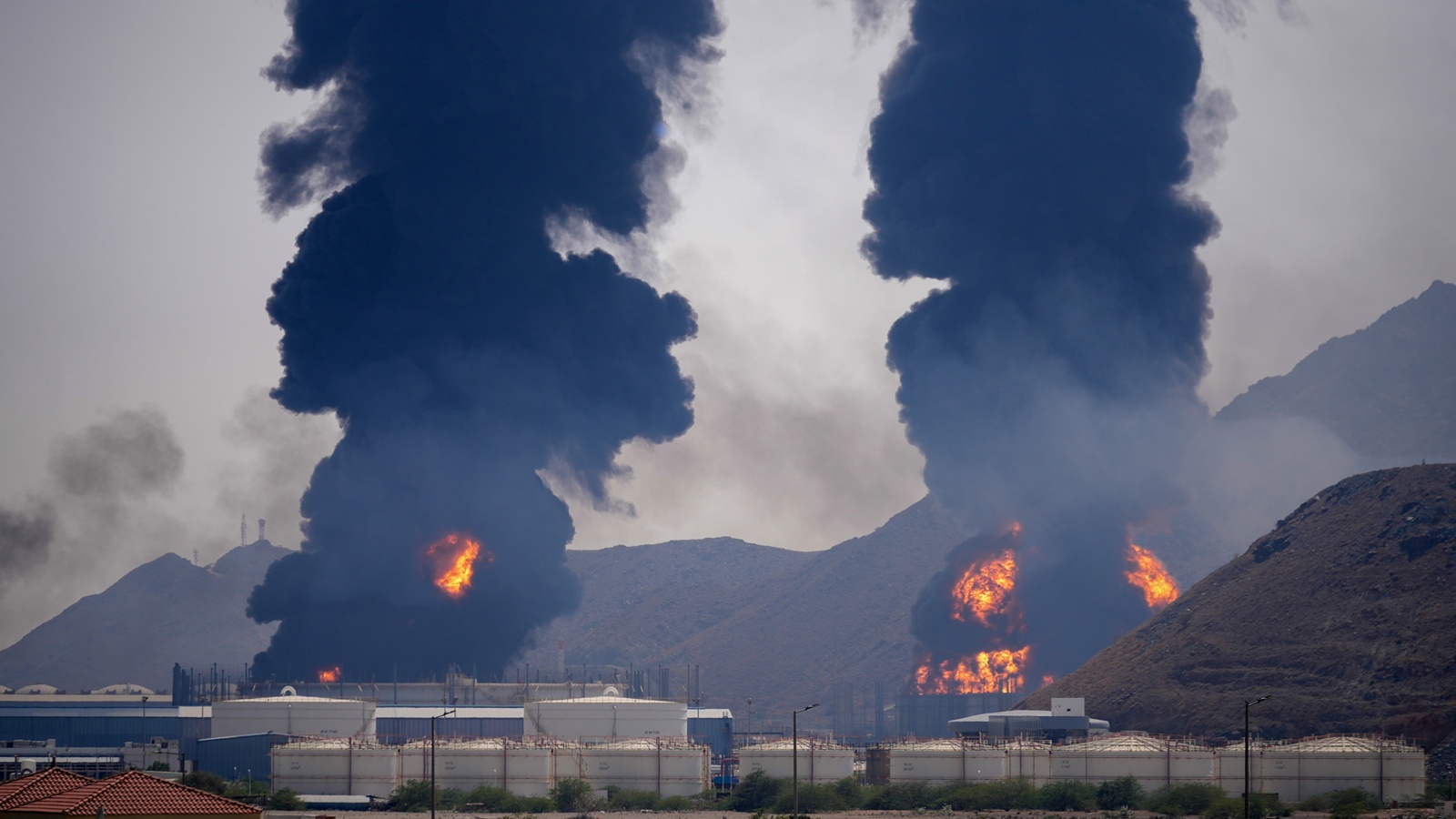
The rules of the game in the Middle East just reset. For months, the military logic keeping the US-Iran conflict from spinning completely out of control relied on geography. Washington and Tehran traded blows, but the violence stayed mostly boxed inside the narrow, congested waters of the Strait of Hormuz.
Not anymore.
By launching heavy airstrikes against the southeastern Iranian port city of Chabahar, the US military just dragged the conflict out into the open waters of the Indian Ocean. This is not just another round of tit-for-tat bombings. It is a massive geographical expansion that blows past the April ceasefire, scrambles regional alliances, and leaves India’s massive economic investments caught directly in the crossfire.
If you want to understand why this specific strike matters far more than the standard skirmishes in the Persian Gulf, you have to look at what Chabahar represents.
Breaking the Ceasefire Box
The fragile truce brokered in April is officially dead. US President Donald Trump made that clear, declaring the memorandum of understanding "over" after accusing Iran of targeting commercial cargo ships transiting the Strait of Hormuz. The American response was swift and unrelenting. Over two consecutive days of heavy bombardment, US Central Command (CENTCOM) slammed roughly 90 targets across Iran, focusing heavily on maritime infrastructure.
But while strikes on familiar hubs like Bandar Abbas or the oil terminals of Kharg Island fit the historical playbook, Chabahar is a completely different story.
Videos out of the port city showed explosions lighting up the night sky, followed by widespread power outages. According to defense officials, US cruise missiles and precision munitions deliberately avoided civilian facilities and critical energy networks. Instead, they focused heavily on military assets, hitting piers and knocking out a major maritime traffic control tower.
The message from the White House is unmistakable. If Iran disrupts shipping inside the Gulf, the US will destroy its capability to project power outside of it.
The Indian Ocean Gateway
Why does hitting Chabahar hurt Tehran so badly? Look at a map.
Chabahar is Iran’s only deep-water oceanic port, sitting comfortably outside the volatile chokepoint of the Strait of Hormuz. For years, Iranian planners viewed this coast as their ultimate strategic escape hatch. If the Persian Gulf ever became a no-go zone due to war or blockades, Chabahar was supposed to keep Iran connected to global trade routes via the Arabian Sea.
By taking the fight directly to the Makran coast, the US effectively told Iran that its escape hatch does not exist.
This creates a brutal dilemma for Iranian leadership. Tehran responded to the initial waves by launching drone and missile salvos at US military installations in Kuwait and Bahrain, forcing local forces into high alert. But defending a coastline that stretches hundreds of miles out to the Pakistani border requires resources Iran simply cannot spare right now, especially with its primary naval assets bottled up further west.
India Caught in the Middle
The fallout from these strikes reaches far beyond Washington and Tehran. The biggest collateral victim of this strategic shift might actually be New Delhi.
India has poured hundreds of millions of dollars into developing Chabahar, specifically the Shahid Beheshti terminal. For Indian policymakers, the port was never just a commercial venture. It was a vital geopolitical bypass. It allowed India to ship goods into Afghanistan and Central Asia without having to route cargo through land borders controlled by Pakistan.
Furthermore, Chabahar sits a mere 170 kilometers away from Pakistan’s Gwadar port, a massive maritime hub heavily funded by China. India wanted Chabahar to serve as its counterweight to Chinese naval ambitions in the Indian Ocean. Now, that entire strategy is in limbo.
While the US strikes targeted military infrastructure used by the Islamic Revolutionary Guard Corps (IRGC), the physical damage to traffic control towers and local power grids brings civilian commercial operations to a grinding halt. Shippers are not going to risk sending multi-million dollar cargo vessels into a port that CENTCOM has openly added to its target list. New Delhi now finds itself in the excruciating position of watching its most prized regional transit corridor turn into an active warzone.
The Escalation Cycle is Just Getting Started
Do not expect either side to back down quietly. The Trump administration is betting heavily on a strategy of overwhelming deterrence. Speaking from Air Force One, Trump claimed the US inflicted a lopsided "20 to 1" ratio of destruction on Iranian targets, warning that things will get significantly worse if commercial shipping lanes remain unsafe. Vice President JD Vance hammered the point home, stating flatly that strikes will continue until the lanes are completely clear and oil flows uninterrupted.
But deterrence only works if the other side is willing to fold. Iran's chief negotiator, Mohammad Bagher Ghalibaf, fired back publicly, warning that Washington has not learned that "breaking promises" carries a steep price.
We are entering a highly volatile phase where the theater of war is expanding faster than the diplomatic channels can keep up. By striking Chabahar, the US showed it is entirely comfortable widening the geographic boundaries of this conflict. The immediate steps for anyone managing maritime logistics, regional supply chains, or energy investments are clear.
- Reroute Global Shipping Plans: Assume the entire Gulf of Oman, not just the Strait of Hormuz, is now an active combat zone. Freight heading toward South Asia needs alternative routing immediately.
- Prepare for Energy Volatility: While oil prices briefly fluctuated following the initial news, the reality of a multi-week campaign means long-term supply chain disruptions are locked in. Risk premiums on energy futures will rise.
- Watch New Delhi's Next Move: Keep a close eye on diplomatic signals from India. How they balance their strategic partnership with the US against the destruction of their primary regional trade asset will tell us exactly how fractured the international coalition against Iran really is.



