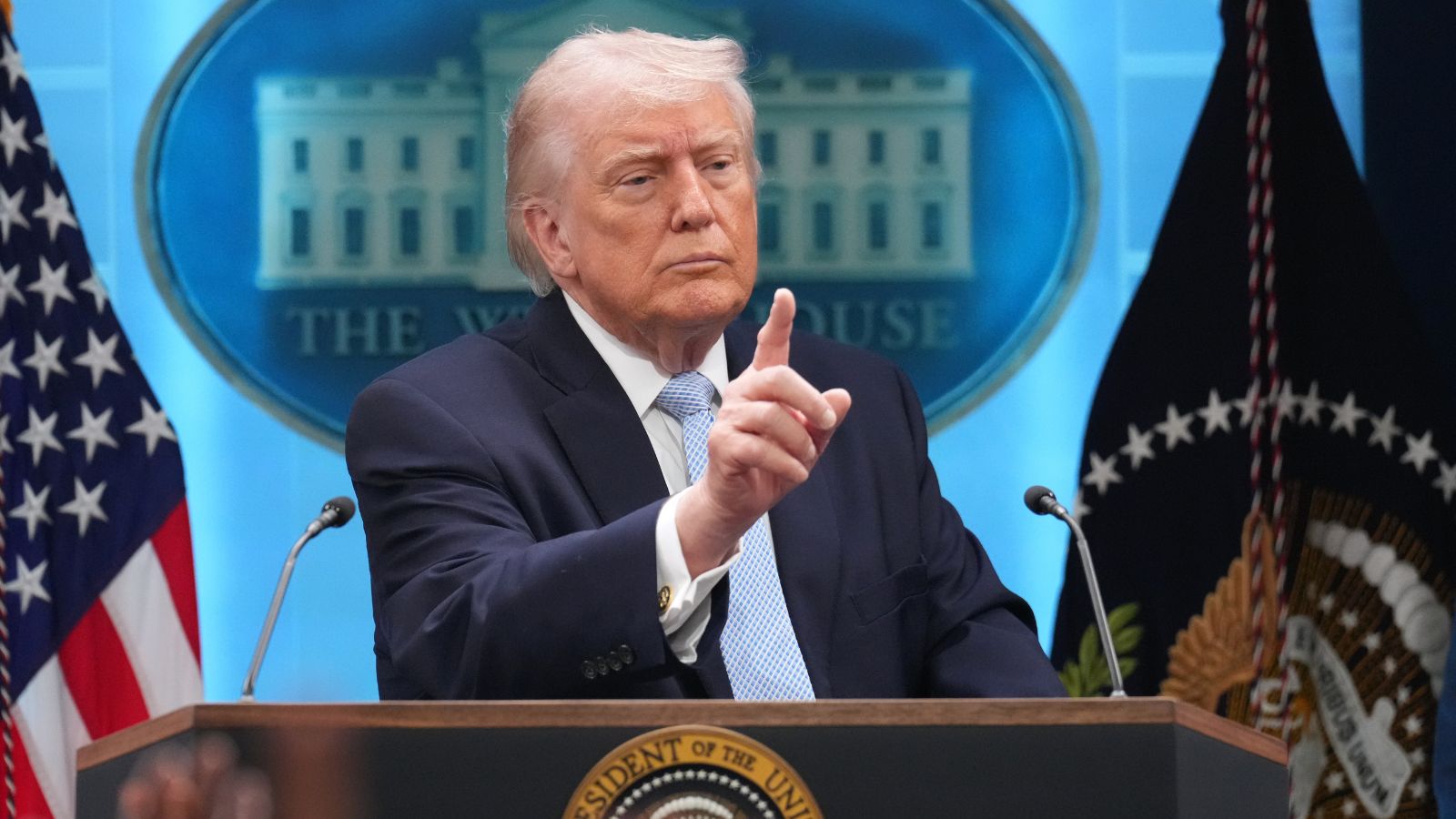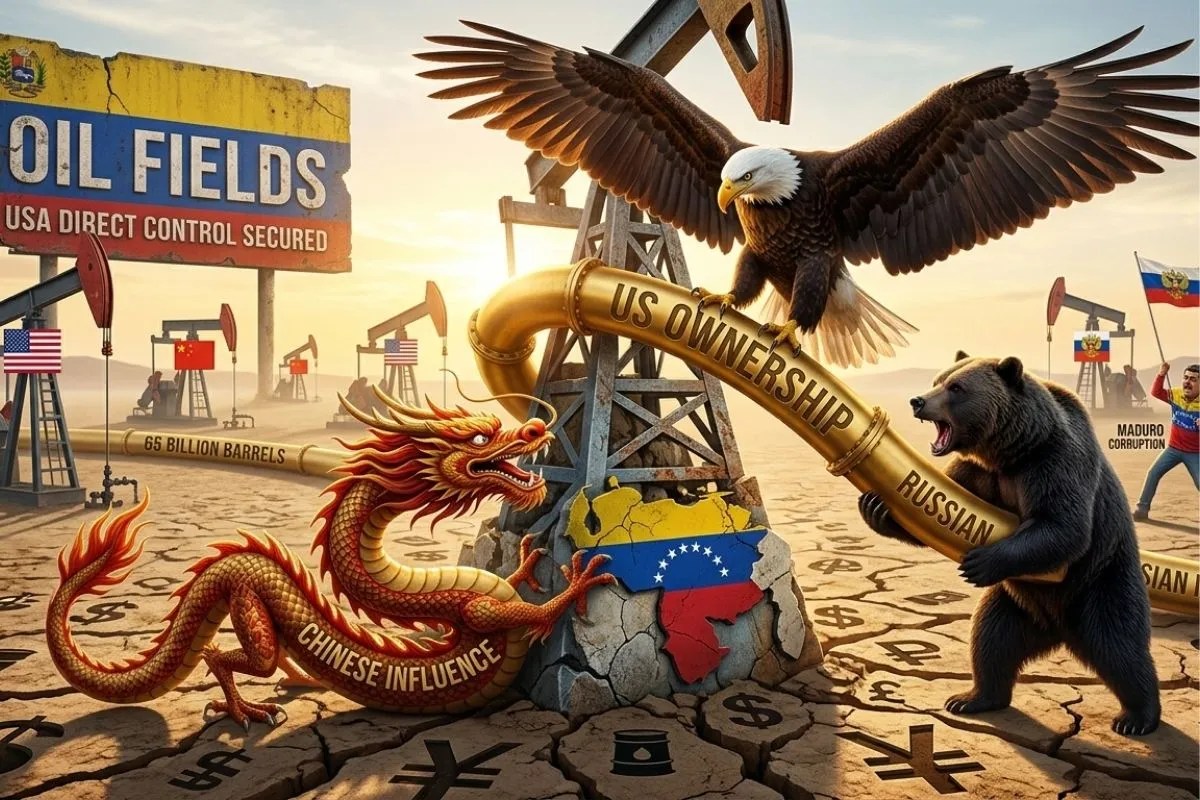
You can't ignore what just happened in South America. Washington just finalized an agreement giving the United States majority control over sixty-five billion barrels of proven crude oil in Venezuela. Donald Trump called it the biggest oil deal in history, and honestly, the geopolitical fallout is massive.
If you've been wondering how shifting powers in Caracas impact global markets, China, and Russia, the picture is finally coming into focus. This isn't just about filling domestic gas tanks; it's a direct power play to reshape energy dominance in the Western Hemisphere. Also making headlines in related news: भारत और अमेरिका की नई रणनीतिक डील क्यों मायने रखती है.
Inside the Historic Venezuela Oil Agreement
Let's look at the actual facts. Months after US military forces detained former leader Nicolás Maduro, the administration negotiated an arrangement with interim President Delcy Rodríguez.
The numbers tell a staggering story: Additional insights into this topic are detailed by Reuters.
- 65 Billion Barrels: The massive volume of proven reserves secured across seventeen strategic fields in the Orinoco Belt and Lake Maracaibo.
- 100-Year Concessions: Long-term operating rights handed to private energy partners.
- 55 Percent Stake: The effective control Washington maintains over output through new joint ventures.
Venezuela sits on roughly three hundred billion barrels of total reserves—about seventeen percent of the global total. Decades of corruption, economic mismanagement, and crumbling infrastructure meant that much of that wealth stayed trapped underground. Now, private investment exceeding one hundred billion dollars is expected to flood the region, completely altering how production flows.
Squeezing Out China and Russia
Most reports miss the secondary target of this deal: ousting foreign adversaries from America's backyard. For years, Beijing and Moscow pumped billions into Venezuela's energy sector, propping up the regime in exchange for discounted crude and field management rights.
By stepping in and granting operating concessions to North American entities like Blue Energy Partners, Washington just locked rival superpowers out of the game. Moscow and Beijing lose direct access to critical heavy crude assets they spent decades cultivating. It's a textbook application of the Monroe Doctrine, updated for the modern energy crisis.
Domestic pressures played a massive role too. With ongoing supply bottlenecks and conflicts in the Middle East choking key shipping lanes like the Strait of Hormuz, the White House desperately needed secure, nearby sources of petroleum. Routing this heavy crude directly into the US Strategic Petroleum Reserve and military supply chains protects American interests against overseas shocks.
What This Means for Global Markets
You might wonder if this will instantly lower prices at the pump. The White House claims production boosts will eventually slash costs and double domestic reserves, but oil infrastructure doesn't rebuild overnight. Decades of neglect mean these seventeen fields require extensive overhauls before hitting peak output.
Refining heavy Venezuelan crude also requires specific technical capabilities that American refineries must scale up. While the long-term outlook points toward lower gasoline prices and billions in tax revenues for Caracas, short-term market volatility remains high.
Keep an eye on how Beijing and Moscow respond diplomatically. They won't surrender billions in lost investments quietly. Energy security is the ultimate currency right now, and Washington just secured a massive windfall.