Stop panicking about a collapsing job market every time a negative headline crosses your screen. Initial US unemployment claims recently dipped to 206,000, holding tightly to a historically low baseline that signals mass layoffs simply aren't happening.
If you glance at the surface data, workers have never felt more secure. Filings for unemployment benefits dropped from a slightly revised 207,000 the week prior, keeping right inside the cozy 200,000 to 230,000 band that economists track as a proxy for corporate health. But focusing solely on weekly jobless claims gives you a dangerously incomplete picture of how modern employment actually functions right now.
The No-Hire No-Fire Trap
Employers are caught in a strange psychological standoff. Walk into any corporate boardroom today and you'll hear leadership whispering about the severe labor shortages that immediately followed the pandemic lockdowns. Companies got burned once trying to restaff frantically after letting people go, and they refuse to make that mistake twice.
This caution created an entrenched "no-hire, no-fire" economy.
- Stuck Staffing: Businesses are hoarding current employees, keeping weekly unemployment claims artificially suppressed near 206,000.
- Hiring Freezes: While corporations aren't laying people off in droves, they aren't opening new positions either. Monthly job growth sits at a modest average of roughly 80,000 additions this year.
- Labor Force Shrinkage: Demographic shifts, massive baby boomer retirements, and stricter immigration policies mean more than 1.3 million people dropped out of the labor force over a recent twelve-month stretch.
That last point matters immensely. When workers stop looking or exit the market entirely, the unemployment rate looks deceptively rosy at 4.1%. It doesn't mean everyone found their dream job. It often means they gave up or retired early.
The Reality for Job Seekers
If you currently have a desk or a uniform, your job security is remarkably high. Companies are absorbing higher gasoline costs and supply chain hiccups without triggering structural downsizing.
Try looking for a new job right now, though, and you'll hit a wall.
The gap between active job openings and available workers feels wide if you're trying to pivot careers or enter the workforce fresh out of school. Employers demand endless rounds of interviews for positions they treat as low priority, dragging hiring timelines out for months. They are testing the waters with extreme pickiness because they refuse to expand headcount unless a candidate looks completely bulletproof on paper.
This environment demands a pivot in how you handle your career strategy. Don't expect to hop jobs easily on a whim. If you're sitting on a stable income, protect it fiercely while upskilling internally. If you're hunting for a new role, prepare for prolonged ghosting and sluggish corporate response times because HR departments are operating at a bare-minimum capacity.
The low claims number proves companies aren't panicking. It's time you adopted that same steady, calculated mindset instead of waiting for a hiring boom that isn't coming anytime soon.
US unemployment claims dropped to 206,000 last week with layoffs still sparse
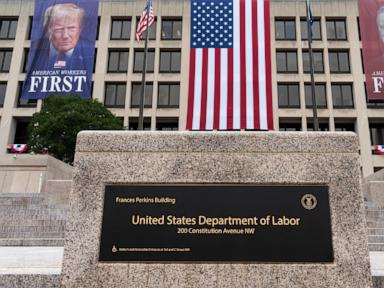
This short video provides a quick visual breakdown of the latest Department of Labor statistics showing why weekly jobless claims remain anchored near 206,000.
http://googleusercontent.com/youtube_content/1