History does not always arrive with the deafening roar of artillery. Sometimes, it announces itself in the heavy, measured crunch of polished boots striking the South Lawn, followed by the low, subterranean rumble of B-1 bombers tearing open the autumn sky above Washington.
Consider what happens when two men, representing the two largest economies on Earth, choose to look each other in the eye. On this particular morning, the choreography of power was meticulously executed. A hundred-foot expanse of crimson carpet unrolled across the grass, stretching toward the portico like an artery of blood and status. A full guard of honor stood at stiff, statuesque attention, their sabers catching the pale light of an anxious capital.
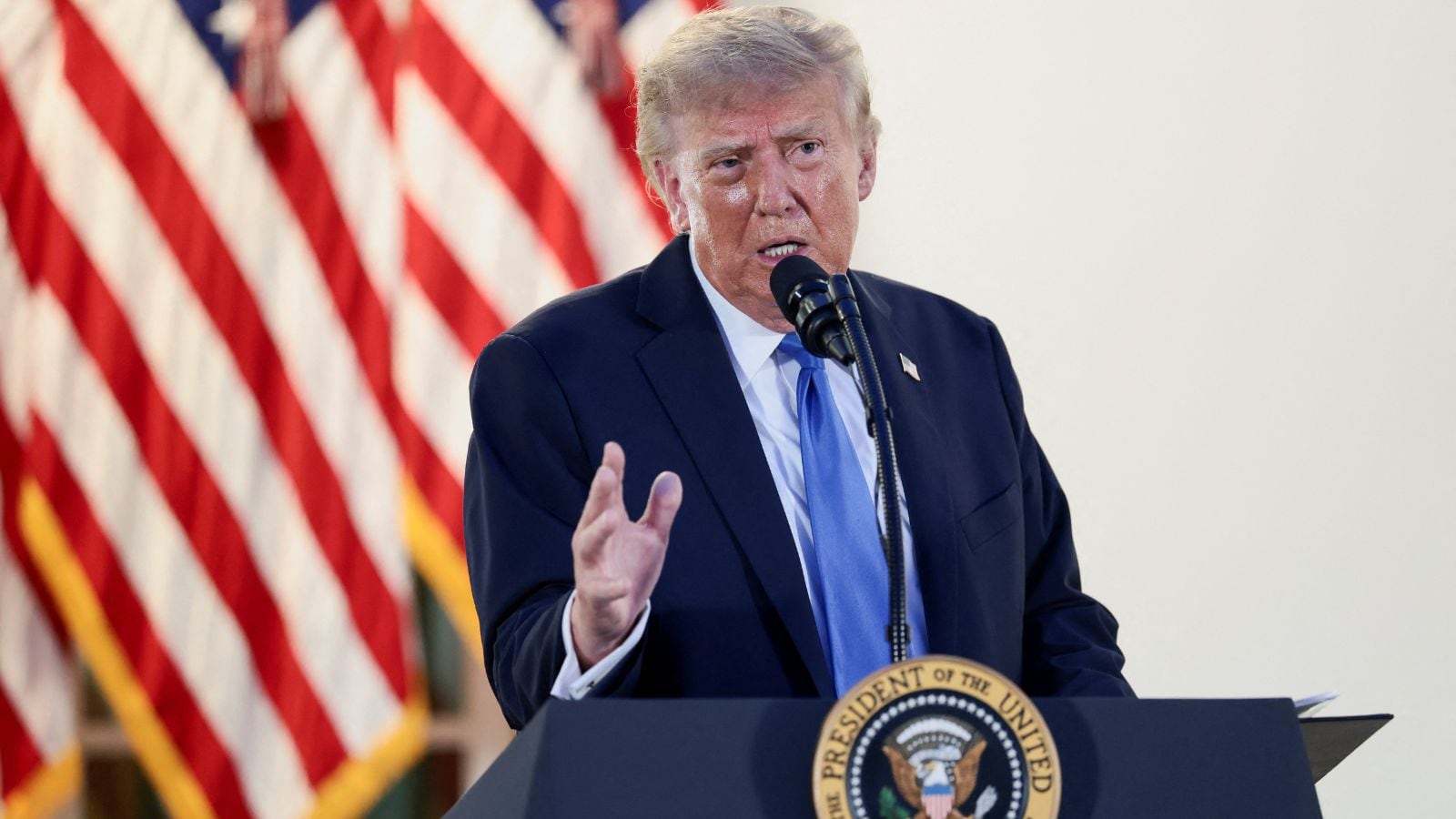
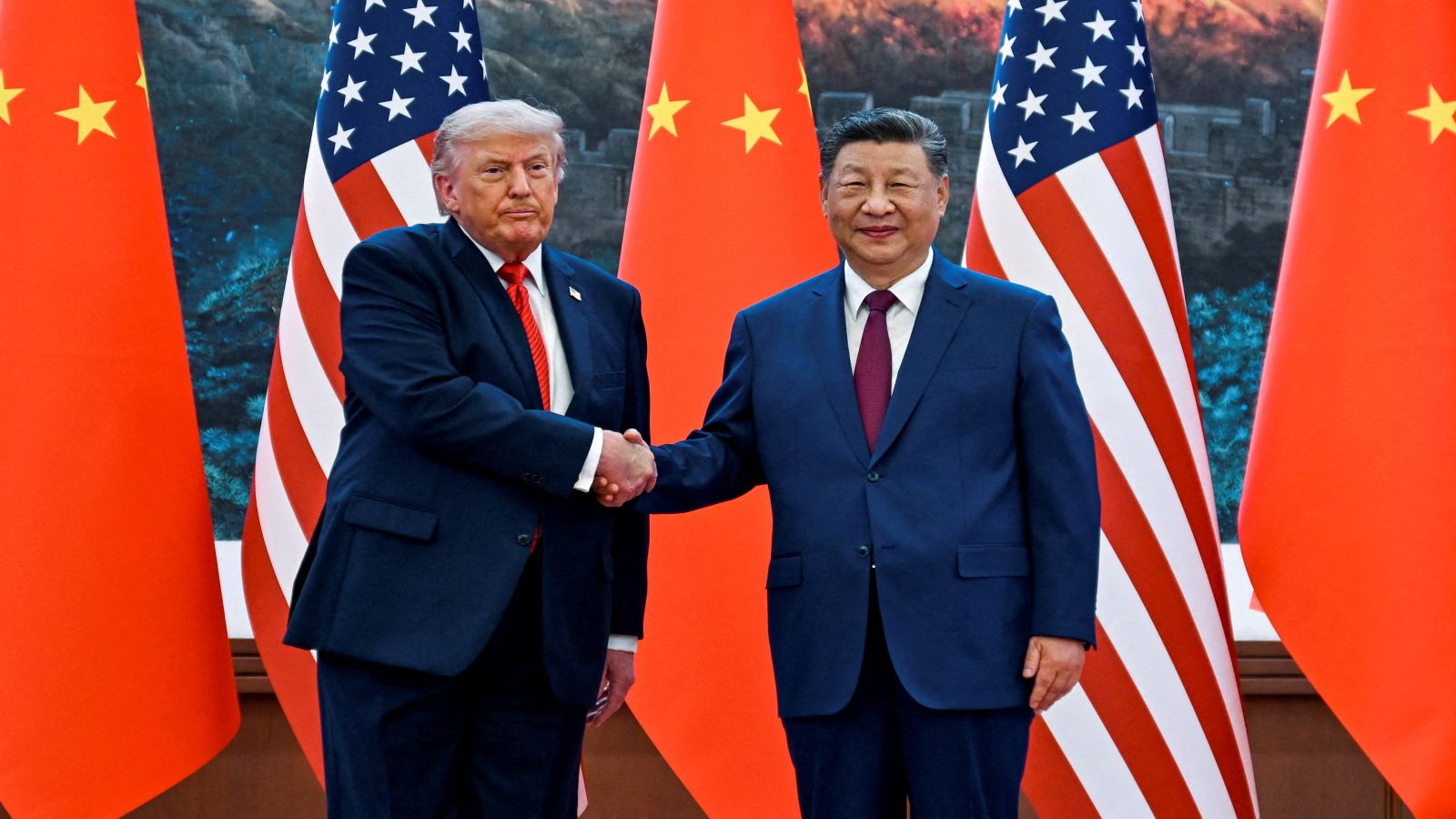
Donald Trump welcomed Xi Jinping not merely as a guest, but as an existential weight.
To understand why a red carpet and a military flyover matter, you have to step away from the abstract ledgers of gross domestic product and trade deficits. You have to look at the human theater. Leaders are mortal men burdened with the performance of empires. When Xi stepped down the aircraft steps, his expression was an exercise in absolute discipline—smooth, impassive, a mask carved from centuries of dynastic patience. Trump, standing at the threshold of power, met him with the characteristic physical showmanship that defined his geopolitical style: an assertive grip, a broad stance, an unmistakable assertion of domestic gravity.
Beneath the theater lies a starker reality. Every handshake between Washington and Beijing is a seismic event that echoes down to the factory floors of Shenzhen and the cornfields of Iowa.
Imagine, for a moment, a man named David, sitting in a dimly lit office in a midwestern manufacturing plant that has built precision gears for three decades. David does not care about the geopolitical nomenclature of "great power competition" or "strategic decoupling." He cares about the price of imported alloy and whether his thirty-five employees will still have health insurance next autumn. When Xi and Trump shake hands under the roar of American bombers, David feels a cold draft in his stomach. He knows that a breakdown in the room means layoffs on the floor.
Conversely, half a world away, a young engineer named Lin in Hangzhou watches the broadcast on a glowing smartphone screen during her morning commute. She wonders if the doors to international markets are about to slam shut, or if the two titans can carve out a fragile, profitable coexistence that allows her startup to scale globally.
This is the invisible architecture of international diplomacy. It is not just about treaties or tariffs. It is about the collective anxiety of billions of people tethered to the shifting moods of two men.
The staging in Washington was a study in dual messaging. The B-1 Lancers—supersonic, heavy-payload instruments of strategic deterrence—roared overhead to signal military supremacy, an unstated reminder that while trade is negotiated, power is possessed. Yet, the hundred-foot red carpet signaled hospitality, an invitation to treat, to bargain, to find a modus vivendi. It was an unmistakable paradox: we can destroy each other, but we must do business.
Relations between the United States and China have rarely been a simple binary of friend or foe. They are locked in what political scientists call a security dilemma, though that clinical term strips away the raw, beating heart of the conflict. Every defensive move by one side looks like an offensive threat to the other. When Washington tightens export controls on semiconductors, Beijing reads it as an attempt at technological strangulation. When Beijing expands its maritime footprint in the South China Sea, Washington reads it as a direct challenge to the post-World War II international order.
Trump understood the currency of spectacle. His administration recognized that China's leadership responds to strength, hierarchy, and personal rapport. By rolling out the absolute maximum protocol—the guard of honor, the aerial display, the solemn pomp—he was simultaneously paying a high compliment and drawing a hard line. He was saying: We see your power, we respect your stature, but we stand firmly on our ground.
Xi, ever the strategist, absorbed the theater without flinching. For domestic audiences back in China, the imagery broadcasted on state television served a vital propaganda purpose: it framed Beijing not as a regional actor, but as an equal peer to the global hegemon, received at the highest level with imperial pageantry.
But what gets lost in the pageantry is the human cost of friction.
Trade wars are fought with ink and tariffs, but they bleed out in living rooms. When supply chains fracture, the price of everyday goods creeps upward, squeezing single parents trying to balance grocery bills. When retaliatory tariffs hit agricultural exports, family farms that have fed generations quietly go under, sold off to corporate conglomerates or turned into logistics warehouses. The collision of superpowers is a grinding machine, and ordinary citizens are the grain passing through the stones.
Yet, diplomacy also offers the only escape hatch from catastrophe. Without dialogue, misunderstandings compound into miscalculations. A scrambled fighter jet over the Taiwan Strait, a miscommunicated naval maneuver in the Pacific—these sparks can ignite a conflagration that no red carpet can put out.
When the cameras stopped rolling and the B-1 bombers faded into the distance, the real work began behind closed doors. Away from the glare of the press corps, over quiet dinners and tense briefings, the two leaders had to confront the friction points. Intellectual property theft. Currency manipulation. Human rights. Territorial ambitions in the Indo-Pacific.
Solutions do not emerge magically from such summits. At best, they buy time. They create a temporary ceiling on escalation, allowing markets to breathe and diplomats to keep their channels open for another month, another year, another election cycle.
We live in an era defined by the great convergence and the great fracture. The global economy is too deeply intertwined to sever cleanly without immense trauma, yet too ideologically opposed to live in harmony.
David will go back to his plant tomorrow, watching the steel shipments arrive. Lin will keep writing code, hoping the servers stay connected across the Pacific. And somewhere in the corridors of power, the descendants of this political theater will continue the high-stakes chess match, moving pawns made of real human lives.
The red carpet has long since been rolled up. The air over the capital is quiet again. But the echoes of those engines remain, a persistent reminder that the peace we enjoy is entirely artificial, held together by the thin, fraying thread of human negotiation.