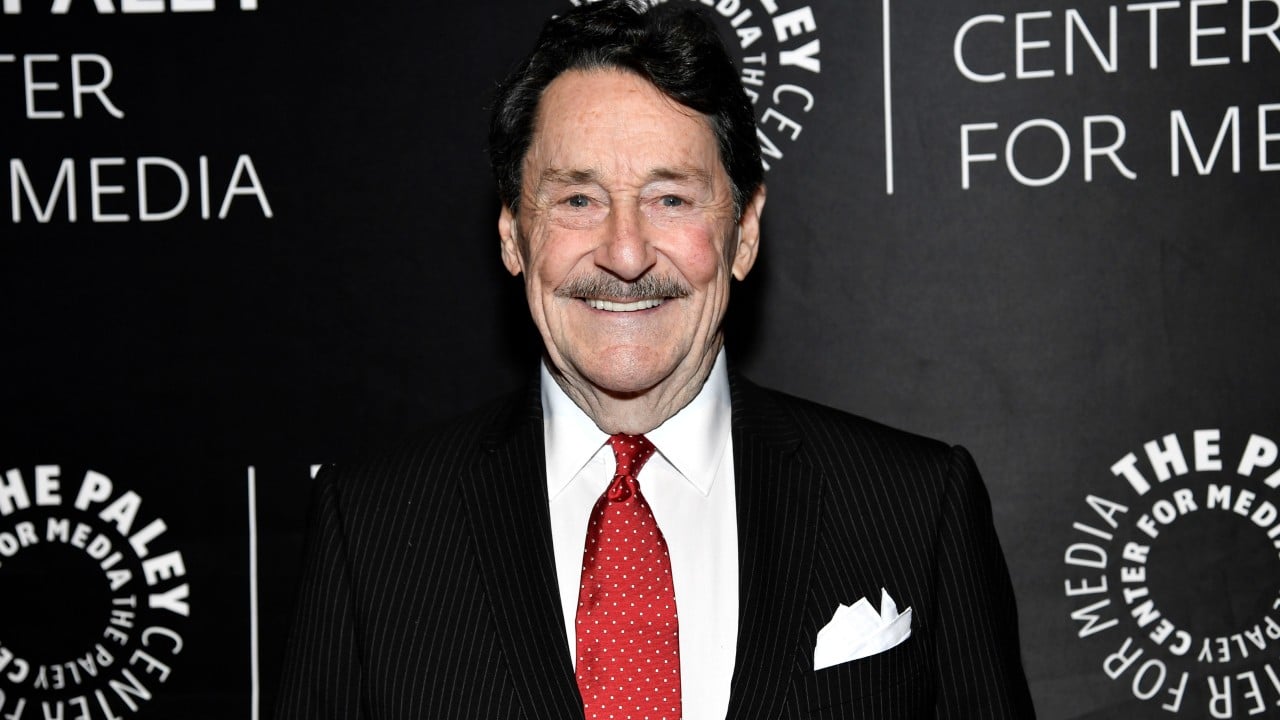
Peter Cullen, the definitive voice of Optimus Prime and Eeyore, has died at the age of 85, bringing an end to a career that spanned more than half a century of animation history.
For millions of people who grew up glued to Saturday morning television screens in the 1980s, the passing of Peter Cullen feels less like the loss of a voice actor and more like the silencing of an absolute moral anchor. Optimus Prime was not merely a cartoon character. He was a commander who spoke with a steady, baritone resonance that made children believe in sacrifice, honor, and the heavy burden of leadership. That same man spent decades channeling the chronic, endearing melancholy of a depressed gray donkey in the Hundred Acre Wood. The sheer vocational range required to jump from an alien robotic warrior fighting for freedom to a sluggish, cotton-stuffed pessimist who occasionally loses his tail defines a rare kind of professional mastery.
The industry changes. Trends shift toward cheap digital processing, celebrity stunt-casting, and algorithmic homogenization. Cullen remained an anomaly—a classically trained actor who treated microphone stands like theater stages.
The Acoustic Architecture of a Commander
Voice acting is often misunderstood as simple mimicry. Industry outsiders assume actors walk into a booth, read lines off a script, and collect a paycheck. Cullen understood that a character lives entirely in the friction between breath and intent.
When he auditioned for Optimus Prime in 1984, he did not base the character on some futuristic war machine. He looked closer to home. His brother, Larry Cullen, had served as a captain in the United States Marine Corps during the Vietnam War. When Larry returned home, he was quiet, serious, and possessed a natural gravity. Peter used his brother's demeanor as the blueprint for the Autobot leader.
"Be strong enough to be gentle," his brother had told him.
👉 See also: The Night the Gwent Valleys Stole the West End
That single directive shaped the cadence of Optimus Prime. It is why the character never sounded like a screeching monster or a cardboard cutout of a military dictator. He sounded protective. He sounded tired. He sounded like someone who understood the catastrophic cost of war but chose to fight anyway because the alternative was unthinkable.
When Marvel and Sunbow Productions launched the original Transformers cartoon, it was primarily designed as a twenty-minute toy commercial. Yet, Cullen's performance elevated the material far beyond plastic merchandise. He injected genuine Shakespearean weight into scripts written on tight deadlines. Kids did not just watch Optimus Prime transform into a semi-truck; they listened when he told them that freedom is the right of all sentient beings.
From Cybertron to the Hundred Acre Wood
The true measure of Cullen's versatility lies in his parallel career as Eeyore. Maintaining a dual identity in voice acting is difficult enough, but inhabiting two characters on opposite ends of the emotional spectrum requires total control over vocal anatomy.
While Optimus Prime required chest resonance, military posture, and an unwavering projection of hope, Eeyore demanded the exact opposite. Eeyore is gravity's favorite victim. His voice is slow, gravelly, deflated, and delivered with a dry comedic timing that relies entirely on understatement.
Cullen managed to voice both characters without listeners ever hearing the seams. A child could watch The Transformers after school on a Tuesday and tune into Disney programming to hear the same man sigh over a lost thistle, completely unaware they were listening to the exact same vocal cords. That is not luck. That is rigorous theatrical discipline, born from a generation of actors who cut their teeth on radio drama, stage plays, and grueling recording sessions where timing was earned, not edited in post-production.
As the animation landscape shifted through the decades, Cullen witnessed the erosion of traditional voice acting standards. Major studios began replacing seasoned professionals with high-profile movie stars who brought instant box office recognition but zero microphone technique. Yet, whenever Hollywood attempted to reboot Transformers—whether through Michael Bay's explosive live-action blockbusters or modern animated origin films—they quickly realized they hit a wall.
You could redesign the robots. You could change the visual aesthetic. You could rewrite the lore. But you could not replace the voice.
When Paramount brought the franchise back to the big screen, the directors understood an unyielding truth. Optimus Prime without Peter Cullen was just CGI metal. The studio brought him back time and time again because his voice was the essential connective tissue linking four decades of global fandom.
The End of an Era on the Microphone Stage
The passing of Peter Cullen leaves a gaping hole in an industry that relies increasingly on synthetic replication and artificial intelligence trials. As tech companies eye vocal cloning software to cut production costs, the unique humanity of actors like Cullen becomes even more precious. You cannot code the lived experience of a Marine's brother into an algorithm. You cannot synthesize the genuine empathy that made generations of children feel safe when a giant robotic truck spoke to them through a tiny television speaker.
He gave his characters a soul.
The television screens will keep flickering, and future iterations of Cybertronian civil wars will inevitably find new audiences. But the original heartbeat of the Autobots has gone quiet, leaving behind an acoustic legacy that standard digital preservation can never truly replicate.