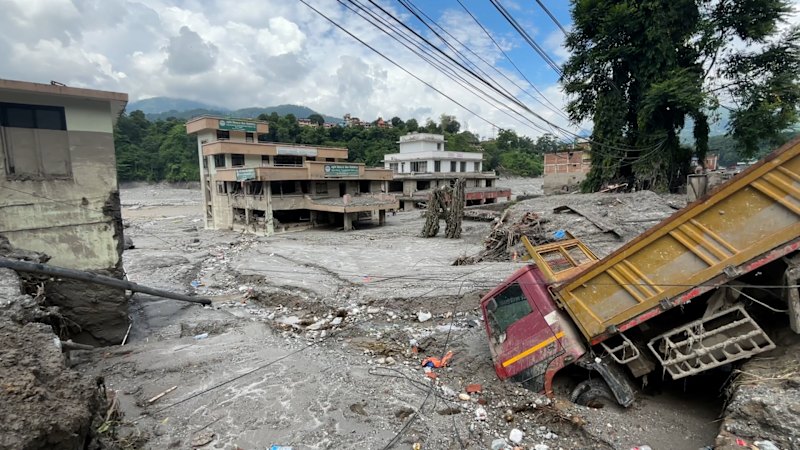
Water moves with a cold, geometric logic. When a massive engineering barrier fails, the resulting surge is not merely a natural weather event, but a catastrophic mechanical breakdown of state infrastructure. Strategic infrastructure failures transform rivers into liquid executioners. Historical case studies, such as the 1953 North Sea storm surge that devastated communities along the East Coast of Britain, demonstrate how quickly coastal and river defenses can be overwhelmed when severe weather converges with structural neglect. Yet, modern vulnerabilities extend far beyond coastal storm surges. They reach deep into the heart of geopolitical conflict zones and aging civil works, where water is weaponized or managed with reckless short-sightedness.
The Anatomy of a Man-Made Deluge
Catastrophic inundations rarely happen by accident alone. They are usually the culmination of deferred maintenance, corrupt contracting, or deliberate military sabotage. Take the destruction of major hydrological barriers, such as the Kakhovka dam collapse. Millions of tons of pent-up reservoir water transform instantly into an unpredictable hydrodynamic battering ram.
Consider a hypothetical scenario involving a major regional hydroelectric facility operating at maximum capacity during an unseasonal snowmelt. If the governing authorities ignore warning signs of foundational seepage to maintain power output targets, the internal hydrostatic pressure mounts exponentially. Concrete does not negotiate with physics. Once micro-fractures widen beyond a critical threshold, the entire structure undergoes catastrophic shear failure. The wall does not leak; it vanishes.
Downstream populations receive precious few minutes of warning. Sirens fail. Communication lines snap under the initial wave impact. Emergency protocols designed for slow-rise river flooding prove utterly useless against a wall of water moving at highway speeds.
Beyond the Immediate Surge
The initial wall of water is only the prologue. True devastation begins once the torrent flattens buildings, uproots electrical substations, and scours topsoil down to the bedrock.
The Toxic Silt Legacy
Floodwaters carry more than just mud. Industrial runoff, heavy metals from submerged manufacturing sites, and agricultural chemicals mix into a dense, toxic slurry. When the waters eventually recede, they leave behind a crust of chemical hazards that poisons local water tables for decades. Remediation requires millions of dollars and years of soil stripping, costs that municipal budgets rarely absorb without catastrophic tax hikes or federal bailouts.
The Displacement Crisis
Evacuees become permanent refugees of climate and conflict infrastructure failures. Temporary shelters swell into makeshift tent cities. Disease vectors multiply in standing pools of stagnant water. Cholera and dysentery follow close behind the receding shoreline. Governments scramble to distribute bottled water and purification tablets, treating symptoms while the institutional rot responsible for the initial failure remains unaddressed in bureaucratic reports.
Breaking the Cycle of Neglect
Preventing future structural catastrophes requires an aggressive pivot in how civil engineers and governments view public works. Aging concrete assets built in the mid-twentieth century are quietly reaching their structural expiration dates. Patching cracks with epoxy injections is akin to applying a bandage to an arterial hemorrhage.
Independent structural audits must become mandatory, protected from political interference or budget cuts. Furthermore, international conventions must classify the intentional destruction of major civilian water infrastructure as a severe war crime with immediate, binding enforcement mechanisms. Until accountability matches the sheer scale of the destruction, communities downstream will continue to live in the shadow of crumbling walls, waiting for the night the water comes.
Hours of terror: Flood-like situation as water rushes in
This footage captures the sudden and chaotic onset of a severe flood emergency, illustrating how quickly rising waters can overwhelm communities and trap residents off-guard.


