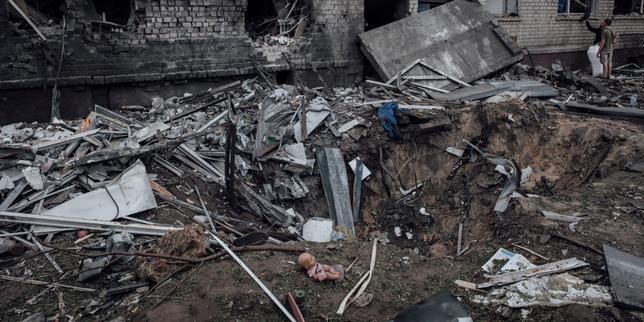
Air raid sirens wail across Kyiv yet again. The capital shakes under a barrage of deadly missile strikes, marking another grim morning for residents scrambling for shelter. This isn't just background noise anymore. It’s the brutal reality of an escalating conflict that refuses to slow down. While the skies over Ukraine's largest cities light up with anti-air defense traces, a parallel theater of war unfolds hundreds of miles away near critical maritime hubs. The Ukrainian military isn't just defending anymore. They are taking the fight directly to Russian infrastructure, targeting key naval ports to choke off Moscow's supply lines.
The strategy has shifted. Kyiv understands that playing defense alone guarantees a slow defeat. By striking deep into Russian-controlled territory and hitting strategic ports, they are forcing the Kremlin to recalculate the cost of this invasion. But these tactical wins come with an immediate, terrifying price tag for civilians caught in the crossfire. Residential areas in the Kyiv region bear the brunt of retaliatory missile barrages. Buildings crumble. Power grids fail. Families pack what they can carry into underground metro stations.
If you want to understand how modern attritional warfare actually functions, look closely at this exact moment. It’s a grinding chess match where every pawn sacrificed carries a human cost.
The Reality on the Ground in Kyiv
Missile debris litters downtown streets hours after the air defense systems go silent. Emergency crews pull survivors from smoking ruins while municipal workers rush to patch blown-out water and heating mains. You can't sanitize what's happening here. The strikes hit close to commercial hubs and residential zones with ruthless frequency.
Moscow claims these operations exclusively target military-industrial targets. The craters in children's playgrounds and apartment complexes tell a very different story. Residents talk about the psychological toll. Sleep deprivation becomes chronic when air raids strike at three in the morning. People drink coffee in freezing kitchens, listening for the distinct buzz of incoming drones before diving into hallways.
- Air raid frequency has surged over the past month.
- Critical civilian infrastructure remains a primary target.
- Emergency responders work around the clock with depleted equipment.
Despite the constant threat of bombardment, daily life tries to adapt. Markets open for a few hours. Cafes serve espresso through plywood-covered windows. It's an exhausting kind of normalcy built on adrenaline and stubborn defiance.
Why Ukrainian Strikes on Russian Ports Matter
While Kyiv takes the hits, Ukrainian forces deliver calculated blows against Russian maritime assets. Hitting a major port isn't just about blowing up steel and concrete. It’s about disrupting the economic engine that funds the war effort. Grain exports, fuel transport, and military resupply routes all run through these coastal chokepoints.
When long-range drones or missile systems strike a Russian port facility, the shockwaves hit global markets almost instantly. Insurance rates for shipping spike. Moscow has to divert precious air defense batteries away from the frontlines to protect its own coastline.
- Ports serve as logistical lifelines for the invading forces.
- Successful strikes force a tactical redeployment of Russian air defenses.
- Economic pressure builds when maritime trade routes face constant disruption.
Military analysts often debate whether these asymmetric strikes can truly tilt the balance of power. The consensus points to disruption rather than destruction. You don't sink a whole navy with drones, but you can make operating ports too expensive and dangerous to rely upon.
The Broader Geopolitical Stall
International allies watch these developments with a mix of anxiety and resolve. Western capitals supply advanced air defense batteries, yet restrictions on how Ukraine uses those weapons create a frustrating bottleneck. You can't fight a fire with one hand tied behind your back. Every delay in ammunition deliveries translates directly into lost territory and civilian casualties.
Diplomatic channels remain mostly frozen. Moscow shows zero appetite for genuine negotiations that don't involve total capitulation. Kyiv refuses to trade land for a fragile, temporary ceasefire that simply gives the enemy time to rearm. The deadlock drags on, fueled by steel, grit, and geopolitical stubbornness.
Keep an eye on the supply lines and the frequency of deep-strike operations over the coming weeks. That is where this war will actually be decided, long before any politicians sit down at a peace table.