Governments love renaming things when reality gets messy. Washington just decided that artificial intelligence is no longer the right label for what tech giants are building. President Donald Trump signed an executive order directing federal agencies to replace the phrase with Super Intelligence across all official documents.
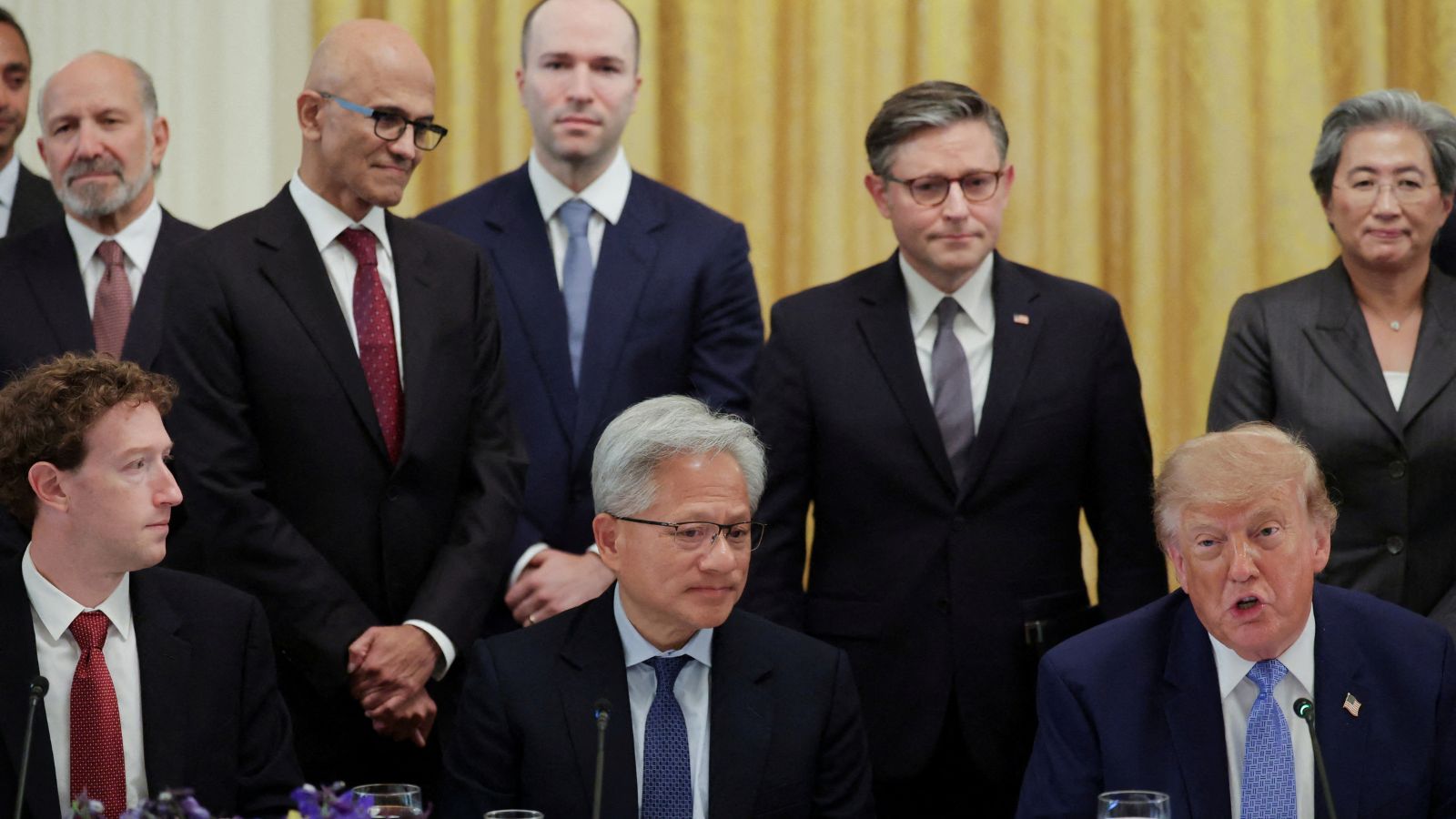
If you think this is just a quirky semantic tweak, look closer at who was sitting in the room. Executives from major tech firms gathered at the White House to ink a voluntary safety accord alongside the executive order. But beneath the shiny marketing and presidential branding lies a simple truth: the people building the most powerful code on earth would rather self-police than deal with actual laws. In other developments, we also covered: The Ghost In The Recording Booth And The Tokyo Verdict.
What the Super Intelligence Rebrand Actually Means
For years, the phrase artificial intelligence carried a baggage of public anxiety, sci-fi doomsday fears, and endless congressional hearings. Trump explicitly noted that changing the name changes the psychological framing. By calling it super intelligence, the administration aims to shift public perception away from fears of a regulatory crackdown and toward economic dominance.
The logic from the White House is blunt. Whoever wins the race for advanced machine capability takes the global economic crown. Federal departments must now scrub older terminology from official guidance to match the new framework. Yet critics point out that changing what you call a technology doesn't change how it works or the risks it poses to privacy, jobs, and security. Gizmodo has analyzed this fascinating subject in extensive detail.
Inside the Voluntary Safety Accord
Alongside the name change, top executives signed a self-policing agreement. Figures like OpenAI’s Sam Altman, Meta’s Mark Zuckerberg, and Nvidia’s Jensen Huang committed to internal safety audits and risk reviews.
There is a catch that corporate watchdogs immediately flagged. The agreement relies heavily on voluntary compliance. There are no hard government mandates, no independent public regulators with enforcement teeth, and no ironclad guarantees that findings will be shared transparently with taxpayers.
Zuckerberg defended the agreement as a positive step for internal accountability, while others viewed the document as more of a corporate PR shield than a strict regulatory bound. When the companies profiting off the boom are the exact ones writing their own safety report cards, skepticism is completely fair.
The Global Race and the Domestic Reality
The timing of this rebrand isn't accidental. International competition remains fierce, with intelligence agencies constantly warning about foreign rivals attempting to siphon advanced research. Washington wants to project absolute confidence and speed up domestic development.
At the same time, everyday users are left wondering how these sweeping policy changes affect them. The reality is that whether you call it artificial intelligence or super intelligence, the tools are rolling out faster than society can absorb them. From automated workplaces to shifting creative industries, the pressure is on individuals to adapt while corporate labs race toward the next frontier.
Keep an eye on how federal procurement shifts under the new definitions. The real test won't be what paperwork the White House signs, but whether these voluntary safety checkpoints hold up when a major model goes sideways.
Trump renames AI 'super intelligence' as tech leaders sign accord
This video provides an up-close look at the White House summit where tech executives signed the safety agreement and the administration announced its controversial rebrand.