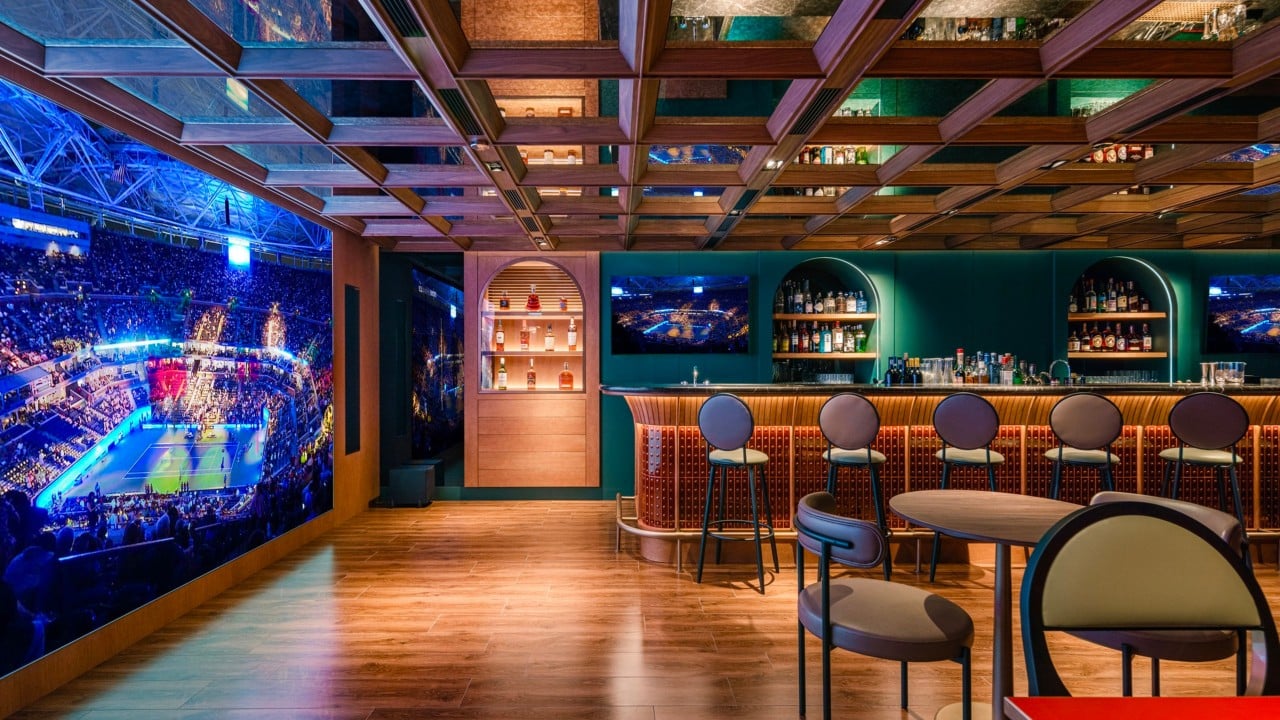
The outrage machine is whirring in Hong Kong’s ultra-luxury real estate circles. Patrons at the exclusive Hong Kong Golf & Tennis Academy (HKGTA) in Sai Kung are up in arms, threatening lawsuits and weeping into their imported gin because management decided to alter the clubhouse facilities. The media is eating it up, framing it as a tragic tale of wealthy consumers getting swindled by corporate greed.
They are missing the entire point. You might also find this connected article insightful: Inside the H-1B Price Surge That Is Rewriting Corporate Hiring.
The standard narrative surrounding elite country club disputes always favors the legacy member. The consensus says that once a high-net-worth individual drops hundreds of thousands—or millions—on a premium hospitality asset, that asset must remain frozen in amber forever. Any deviation from the original glossy brochure is viewed as a breach of trust.
This is a fundamentally flawed way to look at luxury assets. As discussed in latest reports by Bloomberg, the effects are notable.
The outrage over the HKGTA restructuring highlights a massive blind spot shared by elite patrons and lazy commentators alike: the failure to understand that a private club is a dynamic commercial enterprise, not a static monument to your ego.
The Illusion of the Permanent Playground
When you purchase a premium club membership, you are not buying a piece of real estate. You are buying a revocable license to use a service.
I have watched developers and private equity firms inject capital into distressed luxury assets across Asia for two decades. The story is always the identical. Members expect 1995 pricing, 2026 infrastructure, and zero changes to the Tuesday lunch menu. It is an unsustainable mathematical paradox.
Let’s dismantle the premise of the current legal threats. Patrons argue that changes to the clubhouse alter the value proposition of their initial investment.
They are wrong. The value of a premium network asset is tied directly to its financial viability. If a club refuses to optimize its footprint, it dies.
Imagine a scenario where a hospitality operator notices that a massive, 5,000-square-foot formal dining room sits empty 80% of the week, while demand for private workspaces or high-end wellness suites is through the roof. The operator has two choices:
- Maintain the empty dining room to appease the nostalgia of twenty legacy members, eventually raising dues across the board to cover the bleeding balance sheet.
- Gut the room, build what the market actually wants, and create a sustainable revenue stream.
Choosing the first option is bad business. Demanding the first option is financial illiteracy wrapped in a Brioni suit.
The Legal Reality Check
Elite patrons love to threaten lawsuits because they are used to bullying vendors with legal retainers. But let’s look at the actual mechanics of luxury club contracts.
The Fine Print Always Wins
Every membership agreement drafted by a competent corporate legal team contains explicit "right to alter" clauses. Management retains the absolute authority to reconfigure, rebrand, or repurpose any part of the physical infrastructure. The courts do not care that you bought the membership specifically because you liked the layout of the cigar lounge.
The Damage Calculation Problem
To win a breach of contract suit, you have to prove quantifiable financial damages. Good luck convincing a judge that a change in the clubhouse layout has caused a measurable drop in your personal net worth, especially when the overall property values in Sai Kung remain tethered to macro real estate trends, not the placement of a tennis pro shop.
Why Elite Clubs Must Evolve or Die
The country club model is facing a generational reckoning. The old guard wants wood-paneled walls, hushed tones, and restrictive dress codes. The new money—the tech founders, the crypto elites, the next-gen family office directors—wants functionality, speed, and high-density networking opportunities.
Look at the numbers that matter. Private club consultancies like McMahon Group have repeatedly shown that clubs relying solely on traditional golf and tennis amenities without adapting to modern lifestyle demands see member retention rates drop significantly over a ten-year cycle.
| Old Club Paradigm | Modern Asset Optimization |
|---|---|
| Single-use spaces (Formal dining, card rooms) | Multi-use environments (Co-working, wellness) |
| Fixed, lifelong amenity promises | Dynamic space allocation based on data |
| High maintenance, low utilization facilities | High margin, high turn rate services |
The restructuring of spaces at facilities like HKGTA isn't an insult to the patrons; it is a desperate defensive maneuver to ensure the asset survives the next decade.
The Downside Nobody Wants to Admit
Now, let's be fair. Is there a downside to this aggressive commercial evolution? Absolutely.
When an operator prioritizes asset optimization, the intangible "soul" of a club can take a hit. The sense of intimate community erodes when spaces become fluid and data-driven. It feels less like an extension of your living room and more like a high-end airport lounge.
But that is the trade-off. You can have a charming, frozen-in-time club that goes bankrupt and closes its doors in five years, or you can have a slick, evolving corporate asset that stays open but requires you to adapt to new surroundings. You cannot have both.
Stop Suing and Start Adapting
If you are a patron currently holding a demand letter drafted by your family lawyer, tear it up. You are fighting a losing battle against the basic laws of hospitality economics.
Instead of trying to force a dynamic business to act as a museum, change how you view your luxury capital layout.
- Treat memberships as depreciating consumption, not equity. The money you put into a club membership should be written off mentally the moment the wire transfer clears.
- Vote with your feet, not your lawyers. If the management alters the space in a way that destroys your utility, sell your membership on the secondary market—if you can—and move on.
- Leverage the new spaces. If the clubhouse is changing to include more modern amenities, use them. The legacy member who spends their time whining about a displaced pool table is missing the networking opportunities happening in the newly constructed executive suites next door.
The era of the untouchable, member-dictated country club is over. The operators hold the keys, the contracts, and the data. The sooner the wealthy elite accept that they are customers rather than owners, the sooner they can stop wasting money on futile legal circus acts.
Pack up your rackets, accept the new floor plan, or leave. Management isn't backing down, and the math is on their side.