Every time a tropical disturbance spins up off the coast of mainland Mexico, local newsrooms across Southern California immediately shift into high-octane apocalypse mode. Headlines shriek about impending devastation, coastal battering, and unprecedented atmospheric fury. It is lazy, sensationalist theater designed for ad impressions, and it completely misrepresents the physical reality of how Pacific weather systems actually operate.
The lazy consensus dominating media coverage claims that any intensifying tropical system tracking north automatically translates into a catastrophic beating for the Southern California coast. This narrative relies on sheer ignorance of oceanography and atmospheric physics. It treats every storm as a monolith, erasing the crucial distinctions between Gulf of Mexico hurricanes and Eastern Pacific cyclones.
Let us look at the actual data rather than the meteorological fan-fiction currently clogging your social media feeds. When storms move north from Mexican waters toward California, they run headfirst into an environmental brick wall known as the California Current. This ocean current carries cold water southward down the Pacific Coast, creating a thermal barrier that strips tropical systems of their primary energy source: warm sea surface temperatures.
A hurricane requires water temperatures of at least 80 degrees Fahrenheit to sustain its core engine. As a tropical system tracks up the Baja California peninsula, it passes over increasingly frigid waters—often in the low 60s or high 50s. The thermodynamic collapse is swift and absolute. Long before these systems cross the international border, their internal structure has fundamentally degraded from a classic warm-core hurricane into an extratropical low-pressure system accompanied by moisture plumes.
Yet, local outlets continue to frame these events as impending doomsday scenarios. Why? Because fear sells clicks, and clicks pay the bills. But this manufactured panic does real damage to local commerce, tourism, and sensible disaster preparedness. When every moderate rain event and stiff coastal swell is branded as a historic beating, the public develops severe fatigue. When a genuinely dangerous storm eventually arrives, nobody listens because the boy has cried wolf twenty times too often.
The Drought Paradox and the Media Death Cult
Southern California is structurally, historically, and ecologically an arid Mediterranean climate. Water is the region's eternal constraint. For decades, civic leaders and environmental scientists have begged, pleaded, and legislated conservation measures to cope with chronic deficits in groundwater basins and reservoir storage.
Then a tropical moisture plume arrives, bringing millions of gallons of much-needed precipitation to parched chaparral and depleted aquifers. How does the local media greet this vital ecological lifeblood? As a natural disaster.
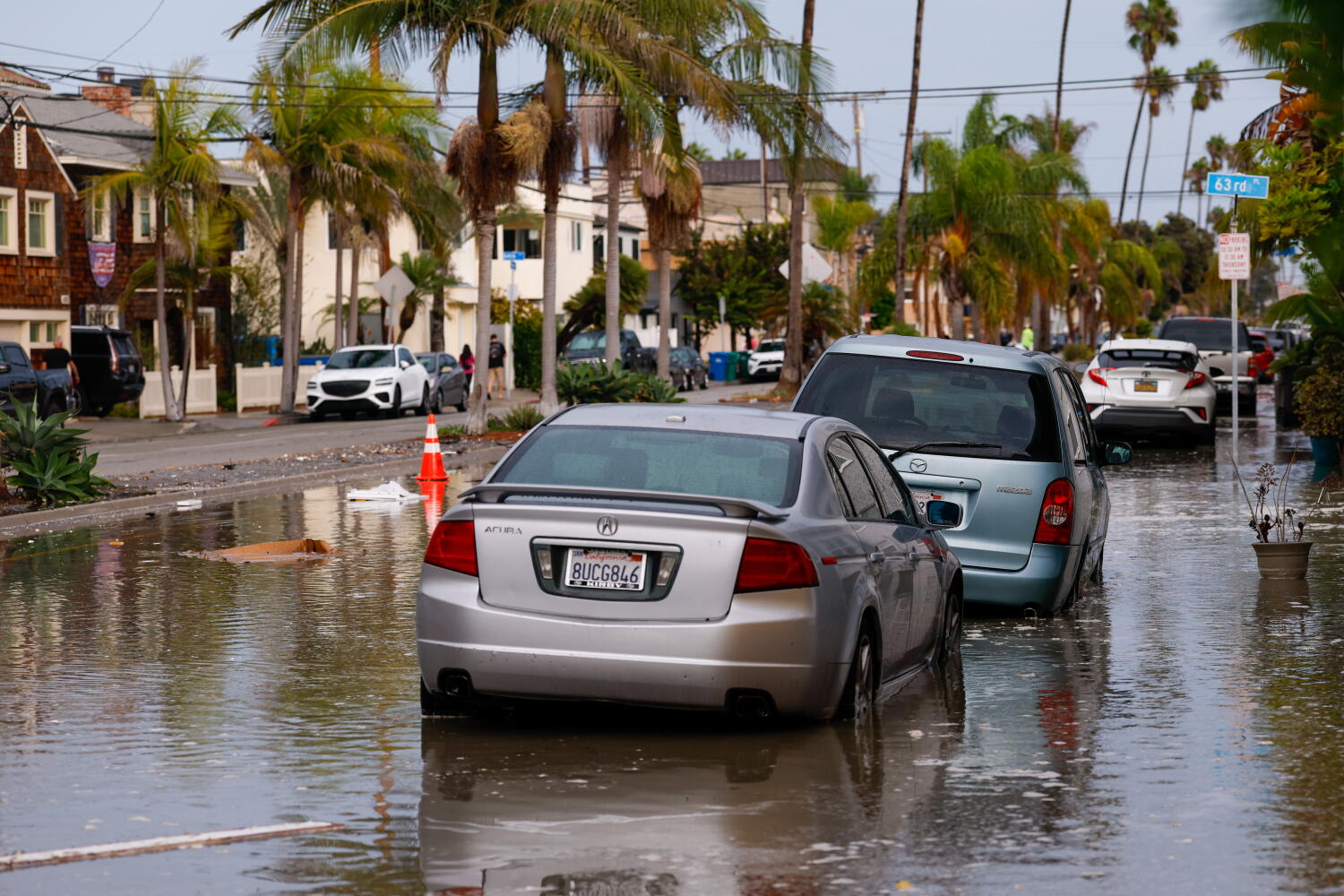
The framing is bizarrely inverted. Instead of celebrating a massive injection of water into a drought-plagued region, reporters stand on beaches in yellow slickers, wringing their hands over temporary high tides and localized street flooding. They treat water from the sky as an enemy invasion rather than a planetary necessity. This is not journalism; it is a cultural death cult that views nature through the distorted lens of suburban inconvenience.
Consider the ecological reality. Southern California's native flora depends on episodic, heavy downpours to trigger seed germination and replenish deep soil moisture. The dry season leaves hillsides vulnerable to wildfire precisely because vegetation dries out. When tropical remnants drop heavy rain, they reduce fire risk immediately. They suppress particulate matter, wash out stagnant urban pollutants, and stabilize watersheds.
Yet, the coverage remains stubbornly negative. Reporters fixate on ruined weekend beach plans or minor traffic delays on the 405, completely ignoring the macro-level economic and environmental benefits of an atmospheric reset.
Engineering Failures Masquerading as Acts of God
When street flooding actually occurs during these moisture events, local pundits rush to blame the storm. This is a convenient falsehood that absolves municipal governments of their own infrastructure neglect.
I have spent years analyzing municipal capital improvement budgets across Los Angeles, Orange, and San Diego counties. Year after year, city councils slash routine maintenance budgets for storm drains, catch basins, and flood control channels to fund vanity transit projects or balance bloated pension liabilities. Decades of deferred maintenance mean that municipal drainage systems are clogged with sediment, trash, and overgrowth.
When a standard three-inch rainfall hits a city where seventy percent of the surface area is paved over with impermeable asphalt, the water has nowhere to go. It pools on streets, floods low-lying intersections, and turns concrete riverbeds into raging torrents.
This is not a failure of Hurricane Polo or any other distant weather anomaly. It is a failure of civil engineering and municipal prioritization. Blaming the weather for urban flooding in Southern California is like refusing to change the oil in your car for a decade and then blaming the engine manufacturer when the block cracks on the freeway.
The media refuses to hold local politicians accountable for this infrastructure decay because doing so requires actual investigative work. It is much easier to point a camera at crashing waves in Malibu and blame a distant Mexican storm for a localized drainage bottleneck in Long Beach.
The Real Estate and Insurance Industrial Complex
There is another powerful financial engine driving this relentless weather panic, and it sits right at the intersection of coastal real estate and the property insurance sector.
Coastal real estate in Southern California is among the most expensive property on Earth. Billions of dollars in equity are tied up in beachfront and cliffside homes from Santa Barbara to San Diego. For decades, developers built homes on unstable bluffs, directly in natural floodplains, and immediately adjacent to dynamic dune systems, ignoring obvious geological warning signs in pursuit of high-margin sales.
When storms cause coastal erosion or property damage, the developers and property owners who ignored basic risk management demand taxpayer-funded bailouts and emergency seawall permits. To justify these massive public expenditures, a narrative of overwhelming, unavoidable external menace must be maintained. If the damage is framed as the predictable result of building a multi-million-dollar home on a crumbling sand spit, nobody gets a government subsidy. But if the damage is framed as the result of a terrifying, hostile hurricane relentlessly beating the coast, public sympathy is secured, and insurance payouts flow.
Meanwhile, insurance companies use these recurring media circuses as justification to spike premiums across the entire state. They point to sensationalized hurricane and storm coverage to declare entire zip codes uninsurable, driving up housing costs and squeezing middle-class homeowners out of the market. The media hysteria directly fuels the financial algorithms used by actuaries to price out residents. It is a closed loop of manufactured crisis and financial extraction.
How to Navigate the Hysteria
If you want to survive the next round of media-induced weather panic without losing your sanity or your money, you need to strip away the emotional rhetoric and evaluate the data yourself. Stop watching local news anchors hyperventilate over weather maps rendered in aggressive shades of blood red and purple.
First, look at the National Hurricane Center data rather than commercial news summaries. Pay attention to the projected wind speeds and pressure readings as systems move north. If a storm is forecast to transition into a post-tropical remnant low before reaching latitude 30 degrees north, you are looking at a rain event and some high surf, not an existential threat.
Second, distinguish between storm surge, wave action, and rainfall. A high-surf advisory means you should not swim at a closed beach; it does not mean your living room is about to wash away. Street flooding during a heavy downpour is almost always a localized drainage failure, meaning you simply need to avoid known low-lying dips and underpasses during the peak hours of precipitation.
Third, stop letting weather forecasters dictate your economic decisions. Do not panic-buy groceries because a reporter in a waterproof jacket is standing dramatically in a mild drizzle. Do not cancel long-term investments or alter your business operations based on a five-day forecast that changes direction every six hours.
The Pacific Ocean is vast, cold, and entirely indifferent to the ratings needs of local television networks. Southern California will continue to experience the fringe effects of tropical systems every single year, exactly as it has for millennia. The only thing changing is the volume of the noise surrounding them. Turn off the broadcast, look out your window, and watch the rain fill the reservoirs.