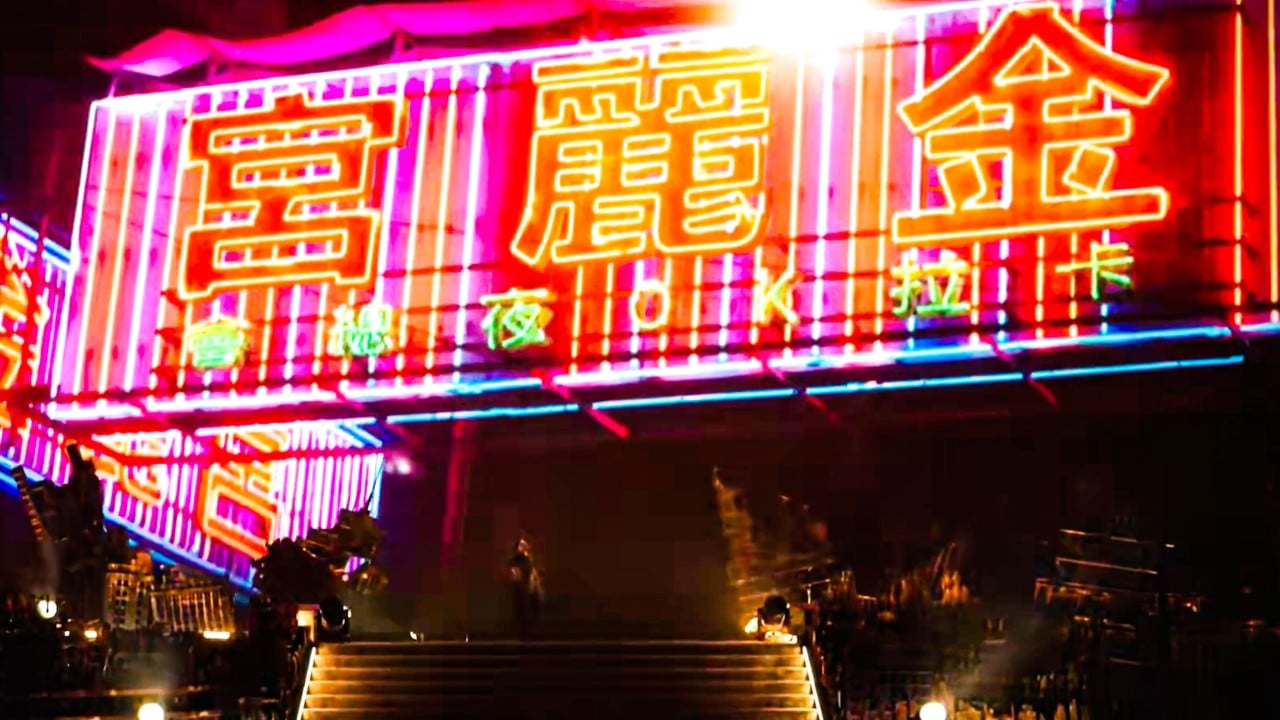
Most music videos try way too hard to look vintage. Directors slap a grainy VHS filter over crisp digital footage, toss in a neon sign, and call it a retro throwback. Honestly, it usually feels cheap and hollow.
When Abel Tesfaye—better known as The Weeknd—dropped the visual project tied to Hong Kong and his broader late-era aesthetic, something clicked differently. The video director behind the project openly pointed out that the goal wasn't just making things look old, but capturing a specific emotional ache for a bygone era. It works because it taps into real cinema history rather than superficial nostalgia bait. Expanding on this theme, you can find more in: The Terminal Economics of Legacy Industrial Rock and Why Al Jourgensen Is Shutting Down Ministry.
What Makes The Weeknd’s Hong Kong Aesthetic Hit So Hard
If you've watched the visuals closely, you notice the pacing right away. Nothing rushes. The camera lingers on wet asphalt, fluorescent reflections in puddle water, and solitary figures standing beneath towering concrete apartments.
That isn't an accident. Analysts at Rolling Stone have also weighed in on this trend.
The director leaned straight into the visual language of 1990s Hong Kong New Wave cinema. Think about the work of Wong Kar-wai and his legendary cinematographer Christopher Doyle. In films like Chungking Express and Fallen Angels, Hong Kong wasn't just a backdrop—it was an emotional pressure cooker. Tight alleys, green-tinted fluorescent bulbs, and blurred motion created an atmosphere of urban loneliness that defined an entire decade of Asian filmmaking.
Most Western pop stars borrow surface-level aesthetics without understanding the mood underneath. Here, the production team respected the source material. Instead of treating Hong Kong like a glossy cyberpunk postcard, they filmed it with weight, humidity, and quiet melancholy.
The Difference Between Retro Filters and Real Texture
There is a massive gap between digital emulation and genuine visual storytelling. When a director talks about capturing nostalgia for a bygone era, they're usually talking about tactile memory.
You can feel the difference in how light behaves on screen:
- Halation around bright signs: Real film stock and vintage lenses bloom when hit with harsh neon reds and greens, creating a soft halo rather than a clipped digital white box.
- Step-printing and motion blur: Slowing down the frame rate while keeping subjects moving creates that dreamy, disoriented sensation of wandering through a city at 3 AM.
- Shadow density: Modern cameras try to rescue every detail in dark corners. Classic Hong Kong night shoots let the shadows swallow the frame, forcing your eyes toward the few illuminated faces.
When you watch The Weeknd's visuals through this lens, the nostalgia makes total sense. You aren't just looking at a city. You're looking at a memory of how cities used to feel before everyone stared at smartphone screens on the subway.
Why Pop Music Keeps Returning to 1990s East Asian Cinema
The Weeknd has built an entire career on mining specific eras of film and music history. From the 1980s synth-pop of After Hours to the retro-futurist radio concept of Dawn FM, he rarely releases a song without a fully realized visual universe attached to it.
Turning toward 1990s Hong Kong was a smart pivot. By the mid-2020s, 1980s synthwave had become completely oversaturated. Every commercial, video game, and pop single was drenched in magenta and cyan grids. Audiences were tired of it.
Hong Kong's golden era of cinema offered a grittier, more romantic alternative. In the 1990s, Hong Kong sat at a unique cultural crossroads—poised right before the 1997 handover, buzzing with late-night energy, Cantopop ballads, and hyper-stylized action and romance films. That historical tension gave every movie shot there an automatic sense of fleeting time. Everything felt temporary. Everything felt urgent.
For an artist whose entire catalog revolves around regret, late-night isolation, and looking backward at lost time, tapping into that specific era was a natural fit. You don't need a music degree or a film school background to feel the mood when the beat drops over rain-soaked street footage.
How the Director Balanced Personal Memory With Global Appeal
One of the trickiest things in music video production is avoiding cultural tourism. Plenty of Western artists fly to Tokyo, Seoul, or Hong Kong, shoot three days of B-roll in a crowded night market, and fly home. Audiences spot that laziness immediately.
According to the director's own commentary on the project, the focus stayed locked on universal nostalgia anchored in authentic local details. Rather than cramming every famous tourist landmark into a three-minute runtime, the camera stayed low and personal.
Small details do the heavy lifting:
- Everyday transit spaces: Ferries, narrow escalators, and tiled pedestrian underpasses carry way more emotional weight than skyline drone shots.
- Muted color palettes: Instead of cranking saturation to maximum, the grade leans into moody teals, warm amber streetlamps, and faded concrete grays.
- Unscripted stillness: Letting a shot hold two seconds longer than comfortable forces the viewer to actually sit inside the atmosphere.
I've watched countless big-budget music videos fall flat because the editors couldn't resist cutting every 1.2 seconds to keep viewer retention up. Restraint is rare in modern pop. Letting a scene breathe is what separates a forgettable promo clip from something fans rewatch years later.
What Creators and Video Directors Can Learn From This Approach
If you make videos, shoot photography, or direct creative projects, there's a practical lesson buried in how this project came together. Nostalgia doesn't come from copying props. It comes from recreating emotional pacing.
Anyone can buy a vintage jacket or rent an old car for a shoot. Almost nobody takes the time to match the rhythm of the era they're referencing. If you want your own visual work to carry that genuine sense of a bygone time, pay attention to three things on your next shoot:
- Stop over-lighting night scenes. Let practical lights—vending machines, streetlamps, storefront windows—do the work, even if your shadows get noisy.
- Cut slower than your instincts tell you. Give your audience room to feel the environment before jumping to the next angle.
- Reference specific cinema, not mood boards. Watching a full 1990s film like Fallen Angels or Comrades: Almost a Love Story will teach you more about framing and emotion than scrolling Pinterest for three hours.
The Weeknd's Hong Kong visuals work because the director treated nostalgia as a mood to be earned rather than a filter to be applied. Next time you watch the video, turn the sound down for thirty seconds and just watch how the shadows and streetlamps move across the frame—you'll see the craft immediately.


