Silence speaks louder than a diplomatic cable. In the high-ceilinged briefing rooms of New Delhi, the air conditioning hums a steady, monotonous rhythm while officials field questions about a calendar date that inches closer by the hour.
September approaches. Invitations were sent, carried across borders on the quiet currents of formal statecraft. Yet, as the Ministry of External Affairs faces the press corps, the official response remains a carefully measured void: no update yet. For a different perspective, read: this related article.
Consider what happens behind closed doors when two neighbors share a complicated history and an unwritten future.
Picture a desk in Dhaka. Piles of briefing notes sit waiting. On top rests a formal invitation from Indian Prime Minister Narendra Modi, extending a hand to Bangladesh Prime Minister Tarique Rahman to cross the border for the upcoming BRICS summit outreach session. It is an invitation issued through a regional capacity, recognizing leadership within BIMSTEC, but its geopolitical implications stretch far beyond standard multilateral attendance. It is an opportunity to sit in the same room, to look across a table, and to reset the diplomatic temperature of South Asia. Further insight on the subject has been shared by The Washington Post.
Yet, stepping onto that plane means navigating the invisible gravity of the past.
Bilateral ties have not been simple since the youth-led uprising of August 2024 that reshaped the political map of Bangladesh. When former leaders find sanctuary across borders, political optics turn into heavy cargo. Every handshake is analyzed; every snub is magnified. For a newly established administration in Dhaka, deciding whether to make this journey is less about attending a summit and more about walking a tightrope between domestic expectations and regional necessity.
Diplomacy is often treated by outsiders as a cold science of treaties, trade volumes, and security pacts. We look at the statistics of the eleven-nation bloc representing nearly half the world’s population, and we forget that foreign policy is executed by human beings balancing pride, caution, and ambition.
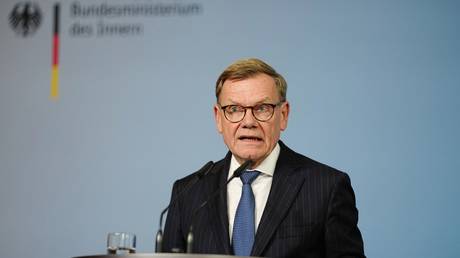
When the spokesperson for India's Ministry of External Affairs tells reporters to wait a day or two for confirmation, he is voicing the exact limbo of modern international relations. Dhaka weighs its options. New Delhi holds the space open. The summit prep continues behind a facade of routine administrative readiness, but the empty chair at the table remains a persistent question mark.
Borders are lines drawn on maps, but they are felt in the pauses between sentences during international press briefings. Whether Prime Minister Tarique Rahman ultimately boards that flight to New Delhi or chooses to let the invitation expire unfulfilled, the underlying reality remains unchanged. Neighbors cannot choose their geography. They can only choose whether to talk across the fence or wait for the weather to clear.
For now, the calendar ticks downward. The capital waits. And the chair stays empty.