Old Trafford breathes. Not with the synthetic hum of a modern stadium, but with the heavy, collective lungs of seventy-three thousand people whose winters are measured in points won and lost.
Rain on the Stretford End sounds like a distant drumroll. It is a sound familiar to anyone who has stood on the terraces through decades of transition, watching managers arrive like prophets and leave like ghosts. The ghost of Sir Alex Ferguson still casts a long shadow across the technical area, a bronze statue standing frozen in perpetual applause, daring anyone who follows to match an impossible standard.
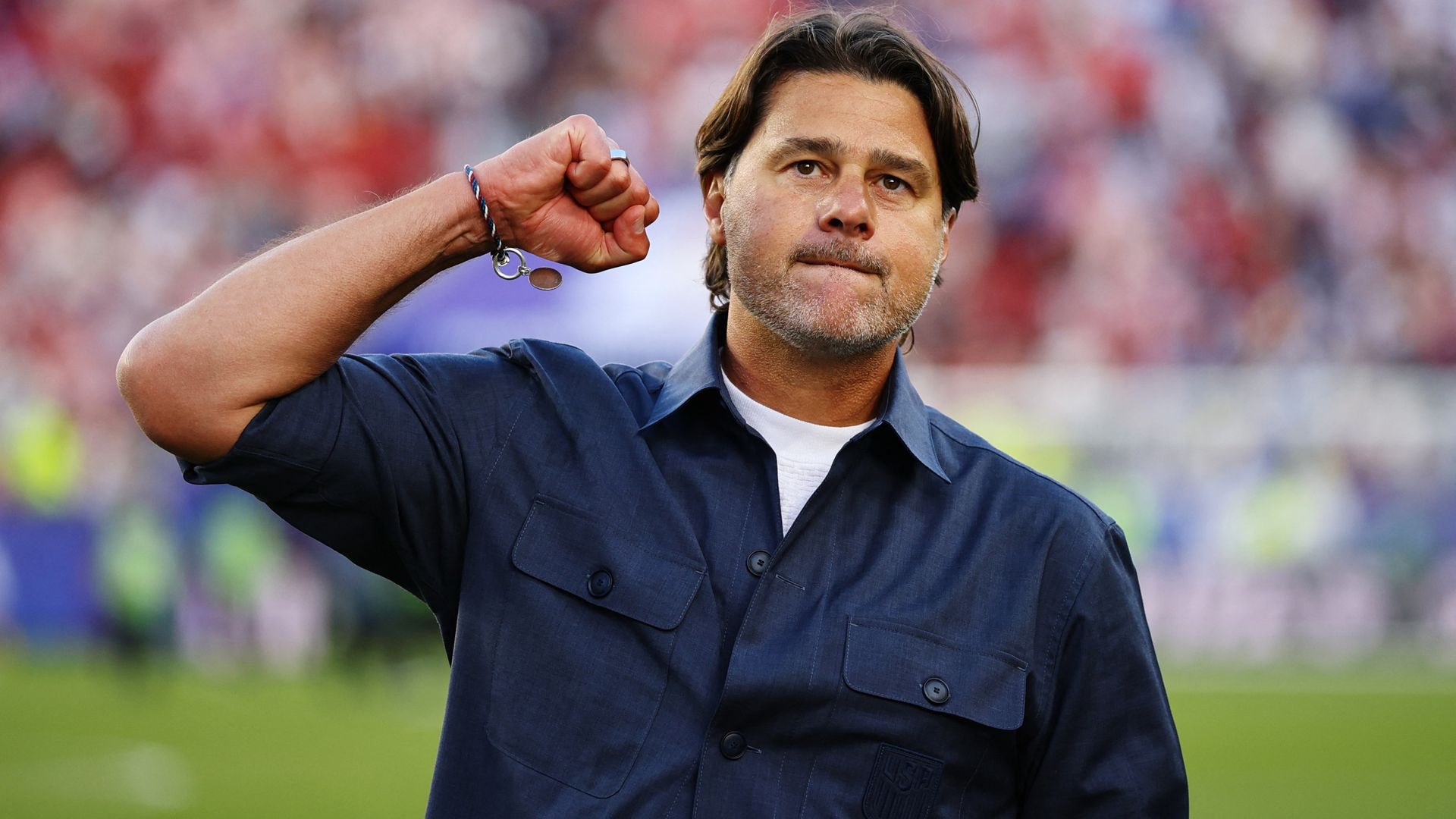
Enter Mauricio Pochettino.
The reports flickered across screens with the quiet inevitability of winter closing in: a two-and-a-half-year deal allegedly struck, a handshake in a sterile room, a new chapter in the most scrutinized soap opera in global football. But contracts and release clauses miss the raw, pulsing heartbeat of what this actually means. This is not merely a transaction between a football club and a coach. It is a collision of quiet resilience and a collapsing empire seeking a mirror to its past glory.
To understand why this moment matters, you have to walk the streets of M16 on a matchday. You have to smell the damp wool of scarves knitted by grandmothers who remember Busby. You have to feel the bruised optimism of supporters who spent a decade watching their club drift like a rudderless ship in a storm, changing captains every eighteen months while the hull took on water.
Pochettino knows storms.
Picture him years ago at Southampton, standing on a windswept training pitch, hands buried deep in his pockets, breathing in the Hampshire mist. He was an outsider then, a former Argentina central defender with a quiet intensity and a habit of speaking softly while demanding absolute exhaustion from his players. He did not build teams with a chequebook; he built them with sweat, high pressing lines, and an unshakeable belief that young men could run further and faster than their more expensive opponents.
Later, at Tottenham, he took a chronically underachieving club by the scruff of the neck and dragged them to the precipice of European immortality. He made fans believe that cleverness could defeat capital. He embraced the mud and the grit. But football is notoriously impatient. When the trophies did not immediately follow the progress, the exit door swung open, leaving behind a trail of what-ifs.
Now, he stands at the gates of the biggest theater of them all.
Manchester United is a different beast entirely. It is a club where every misplaced pass is analyzed on twenty different television channels, where a draw feels like a crisis and a defeat is treated as a moral failing. The dressing room has been a graveyard for reputations over the last decade. Big names arrived with heavy price tags and left with light footsteps, crushed by the gravitational pull of expectations that refused to adapt to modern realities.
Why Pochettino? Why now?
The hierarchy at Old Trafford looked across the continent and saw a man who understands how to fix broken cultural foundations. United does not need another tactical tyrant who demands instant obedience through fear. They need an architect. They need someone who can look a restless nineteen-year-old winger in the eye and teach him the value of tracking back in the eighty-fifth minute. They need a teacher who values the collective over the ego.
Consider what happens next on a Tuesday morning at Carrington.
The floodlights cut through the grey Manchester gloom. The grass is manicured to a velvet finish, smelling sharply of fertilizer and morning dew. The players trickle out, shoulders slightly hunched against the chill. There is a palpable tension in the air, the leftover anxiety of another weekend dropped points.
Pochettino does not scream. He walks out with a football tucked under his arm, his stride deliberate. He gathers them in a tight circle. He speaks in that gravelly, accented English, cutting through the noise of the tabloids and the murmurs of the agents. He talks about courage. Not the reckless courage of a sliding tackle, but the quiet courage of demanding the ball when the stadium is screaming for you to hide.
This is the invisible labor of football management. The public sees the ninety minutes on television—the roaring crowds, the tactical shifts, the angry gestures on the touchline. They do not see the thousand micro-decisions made in hotel rooms at midnight, the quiet conversations with injured players doubting their own bodies, the endless video analysis trying to find a millimeter of space in a crowded defense.
Critics will point to his time at Paris Saint-Germain, arguing that managing egos in a billionaire's playground left him ill-equipped for a chaotic rebuild. They will say he is too nice, too philosophical, too quick to protect his players in press conferences.
They misunderstand the man.
Beneath that calm exterior lies the stubbornness of a defender who spent his playing career kicking ankles in La Liga and Serie A. He is fiercely competitive, driven by a quiet fury that stems from coming so close to the summit of European football with Tottenham, only to watch it slip through his fingers in Madrid. That loss left a scar. Scars do not make a man weaker; they make him sharper.
The Premier League has evolved into an arms race of tactical perfection. Pep Guardiola and Mikel Arteta have turned football into chess matches played at the speed of a sprinter. To survive in this environment, a club needs more than money; it needs an identity that survives a bad month of results.
If this reported agreement holds and the Argentine takes his place in the dugout, the transformation will not happen overnight. There will be ugly afternoons at Burnley, frustrating draws against stubborn low blocks, and moments where the weight of the red shirt appears too heavy for young shoulders.
Yet, for the first time in a long while, there is a distinct shape to the ambition.
The rain continues to fall over the Stretford End, slicking the red seats and pooling in the hollows of the concrete. Somewhere inside the bowels of the stadium, a desk light burns late. Papers are shuffled, tactical formations are drawn and erased on whiteboards, and a man who has traveled from the fields of Murphy to the heights of European football prepares to take his place in the eye of the storm.
The history of Manchester United is written in ink, blood, and silverware. The next sentence is waiting to be typed.