A standard piece of poster board weighs less than an ounce. It is light, flexible, meant for science fairs, school projects, and the mundane memories of adolescence. But on a September morning, that cheap piece of paper was used to wrap the barrel of an AR-15-style rifle.
The boy carrying it was fourteen. He walked onto a school bus in Barrow County, Georgia, with the barrel poking out of his backpack, hidden only by the cardboard. Nobody noticed. Nobody stopped him. He rode to class, sat through his first-period lessons, and then walked into a bathroom. When he emerged, the poster board was gone. The rifle was bare. Recently making news in related news: Why the Death of Lindsey Graham Changes Everything for the Senate Balance of Power.
By the time the sirens stopped wailing at Apalachee High School, four people were dead. Christian Angulo and Mason Schermerhorn, both just fourteen, would never grow up. Cristina Irimie and Richard Aspinwall, two dedicated teachers, would never return to their classrooms. Nine others carried the physical tears of shrapnel and lead, while an entire community was left with a permanent, invisible fracture.
Now, the legal machinery is moving toward an ending that no one expected so soon. Additional insights into this topic are covered by TIME.
The Sudden Shift in Barrow County
For months, the legal trajectory for Colt Gray, now sixteen, seemed locked into a long, exhausting battle. His defense attorneys had successfully argued that the intense local trauma made a fair trial impossible in Winder. The judge agreed, moving the venue a hundred miles away to Columbia County. Jury selection was locked in for mid-October.
Then, a quiet filing dropped on a Friday afternoon.
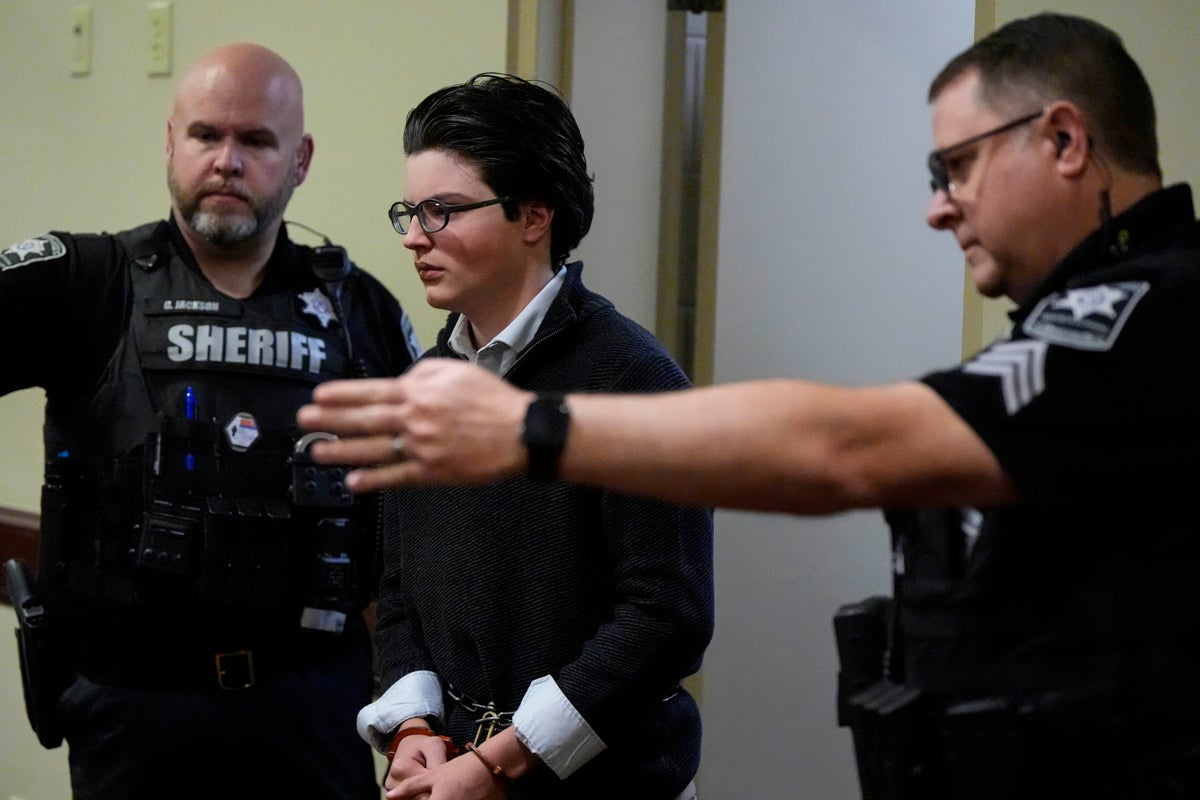
Barrow County Superior Court Judge Nicholas Primm signed an order setting a "Non-Negotiated Plea and Sentencing Hearing" for July 24. It was the public signal of a massive behind-the-scenes pivot. The teenage boy who had previously stood in court and pleaded not guilty to 55 felony counts—including malice murder, aggravated battery, and aggravated assault—is preparing to change his plea.
To understand a non-negotiated plea is to understand a gamble born of desperation. This is not a plea bargain. There is no backroom deal with the prosecution, no agreed-upon sentence, and no leniency offered in exchange for saving the state the expense of a trial. It means the defense is throwing themselves entirely at the mercy of the court.
Consider the math of the courtroom. Because Gray was a minor at the time of the killings, the death penalty is legally off the table. But the remaining numbers are staggering. The 55 counts carry a maximum mathematical reality of up to 180 years in prison. By entering a non-negotiated plea, the defense is essentially betting that a single judge will show a sliver of leniency that a jury never would. The judge alone will decide whether this teenager ever breathes free air again, or if he will spend the next several decades staring at concrete walls.
A Family Broken in Sequence
The courtroom drama on July 24 will not just be about the boy. It is the second act of a unprecedented family tragedy.
Just months earlier, a jury convicted the boy's father, Colin Gray, on 27 felony counts, including second-degree murder and involuntary manslaughter. It was a historic verdict, marking the third time in American history that a parent has been held criminally responsible for a mass shooting executed by their child.
The evidence in the father's trial revealed a domestic ecosystem of profound neglect and warning signs ignored. Weeks before the tragedy, the boy's mother, Marcee Gray, had begged her estranged husband to lock up his firearms and restrict their son's access. Instead, the father bought the boy ammunition, a tactical gun sight, and the weapon itself as a Christmas gift. He told investigators he did it to bond with his son through hunting. He claimed he never saw the darkness coming.
But investigators found a notebook left behind in the boy's second-period classroom. Inside were step-by-step instructions. Diagrams. A cold, analytical estimate that he could kill 26 people and wound 13 others.
The father is scheduled for his own sentencing hearing at the end of July. In a grim twist of timing, the state of Georgia will likely seal the fates of both father and son within days of each other.
The Lingering Echoes
In the aftermath of school shootings, the public discussion often hardens into rigid debates about policy, security, and mental health. But for the families who have to walk past the empty bedrooms every night, the reality is entirely emotional.
The upcoming hearing brings a strange, heavy quiet to Barrow County. A guilty plea avoids the agonizing spectacle of a multi-week trial. It saves the surviving students from having to take the witness stand to recount the smell of gunpowder and the sounds of their classmates screaming. But it does not offer closure. Closure is a myth invented by those who have never lost a child.
Instead, the community is left waiting for July 24, looking for answers in the face of a sixteen-year-old boy who once hid a weapon of war behind a piece of school paper. There will be no triumphant victories in that courtroom. There will only be the heavy, rhythmic striking of a judge's gavel, confirming a ruin that was set in motion long before the first shot was ever fired.